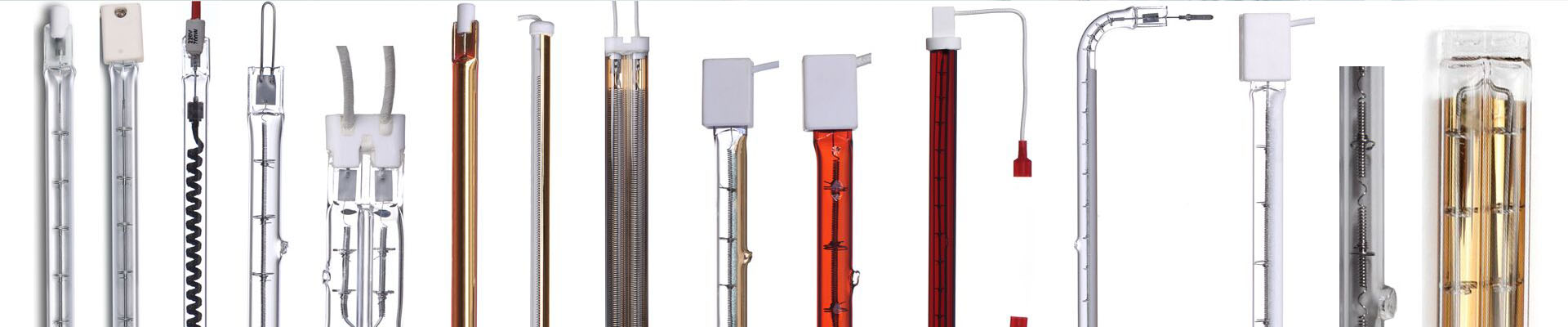
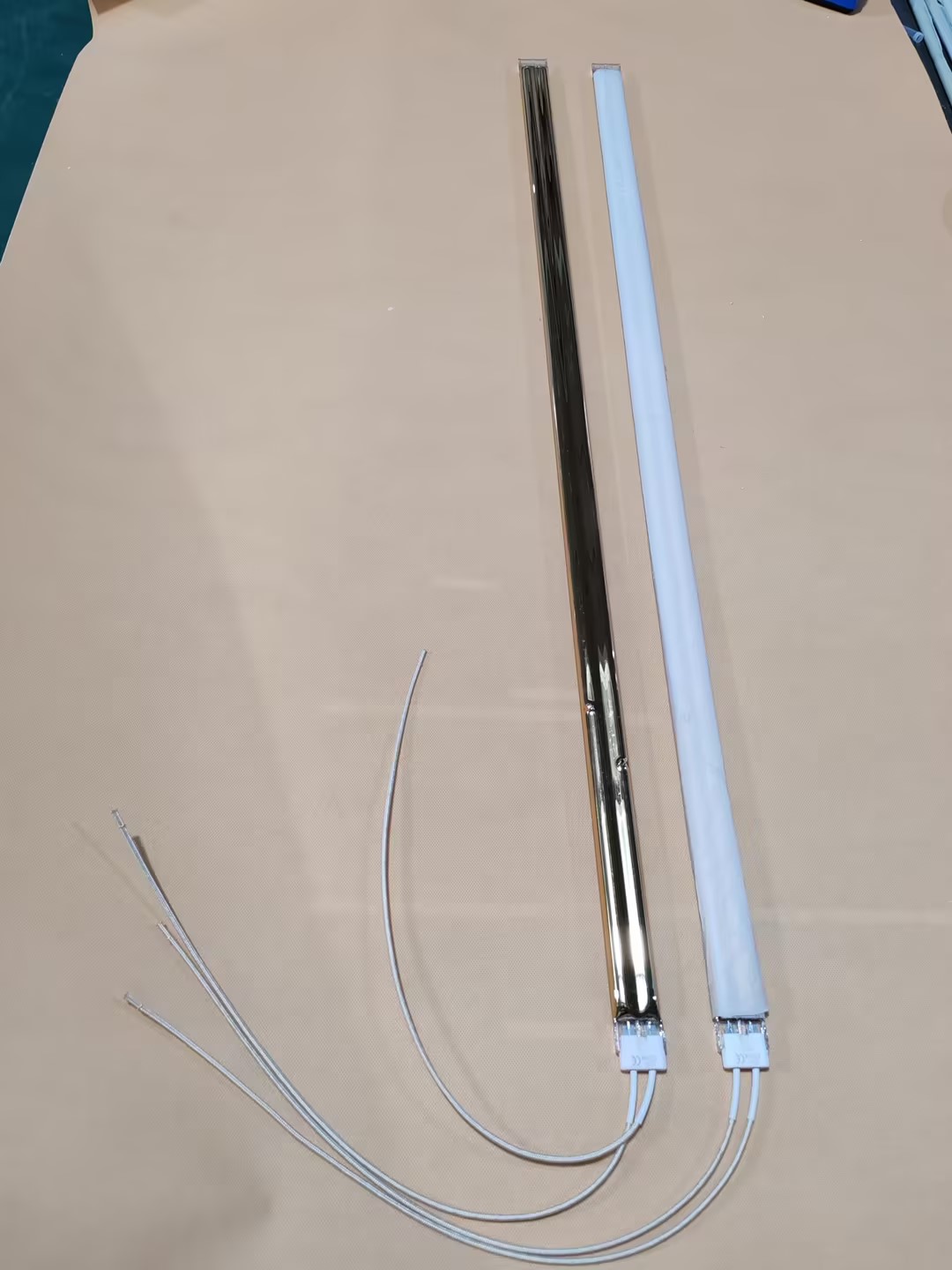
Let’s talk about the 2000W Carbon Fiber Quartz Heater
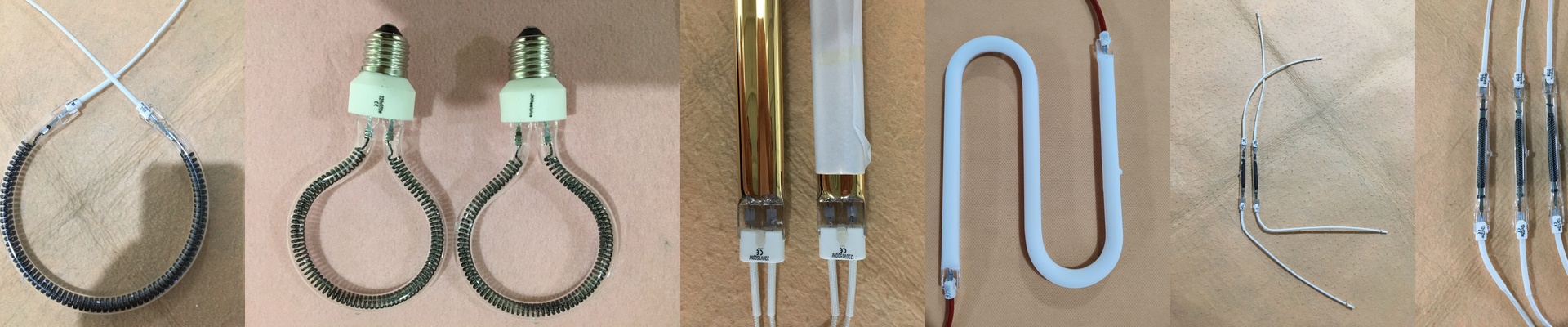
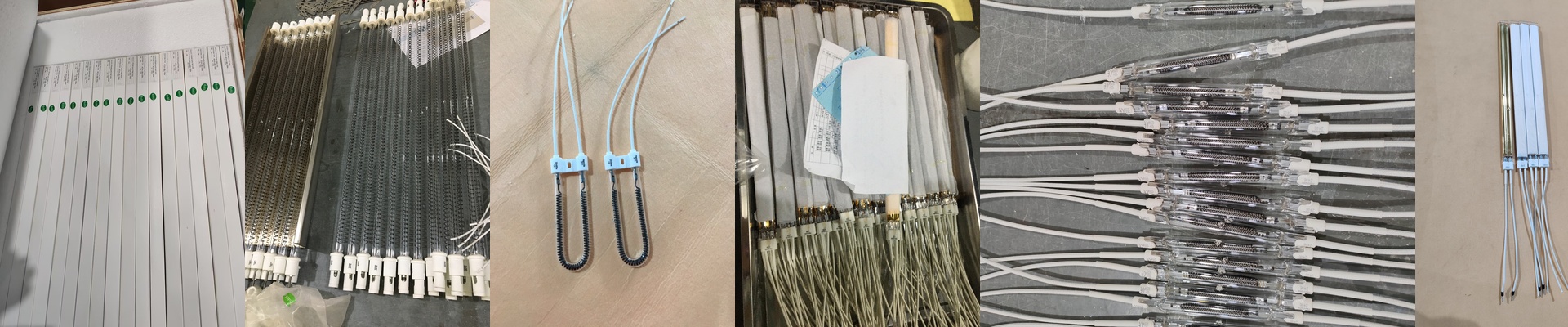
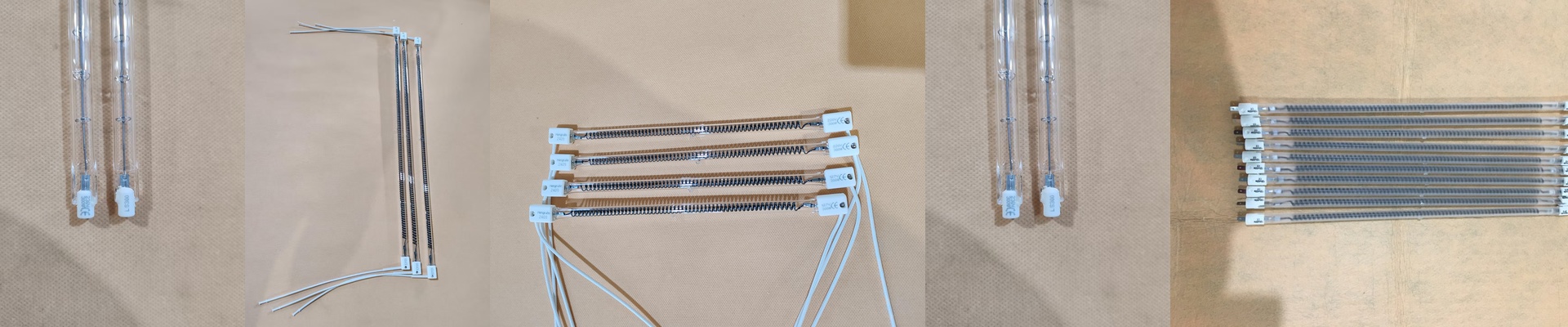
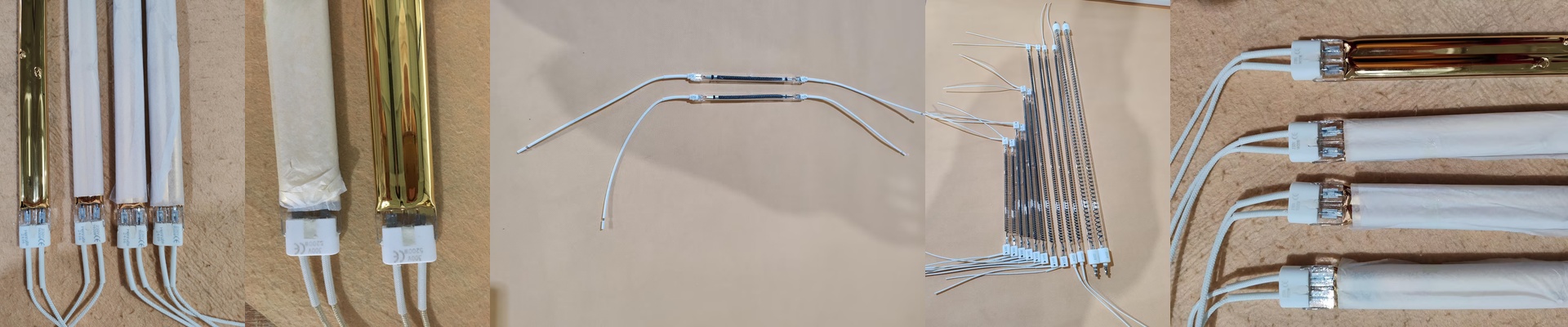
When we sat down to build these 2000W, 240V infrared lamps, we had one goal: raw power. Most people are used to standard metal coils, but we went a different route. We tucked a carbon fiber heating element inside high-purity quartz glass. Why? Because it changes how the heat actually hits your material. Instead of just warming the surface, it digs deep. The power side of things Running 2000W at 240V gives you a ton of heat in a very small space. It’s perfect for those moments when you can’t afford to wait for a giant oven to warm up. You just flip the switch and you’re moving. Just a heads-up on the electricals: these fit right into standard industrial 240V circuits, but make sure your contactors can handle that initial surge of power. Also, keep your voltage steady. If the power jumps around, you’ll kill the element a lot faster than you should. Why carbon fiber? Carbon fiber is just tougher. It handles the stress of heating up and cooling down way better than tungsten or nichrome. Paired with the quartz glass—which lets the IR radiation pass through without losing its punch—you get a really smooth, even heat. You won’t find those annoying “hot spots” that you usually get with thin wire coils. It’s just consistent heat across the whole tube. The real-world trade-offs If you’re looking for a drop-in replacement for medium-wave IR arrays, these will do the trick. They can handle a bit of dust, but remember: the glass is fragile. One crack and the whole thing is toast. And here is the most important part:these things get incredibly hot. If you mount them too close to your plastic housings or cheap wiring, you’re going to melt your fixtures. It’s a common mistake. To keep things safe, use a proper heat shield or set up some forced-air cooling at the ends of the lamp. It’ll keep your seals from failing and save you a massive headache later.