A Real-World Guide to 220V Carbon Fiber IR Lamps (1000W–1600W)
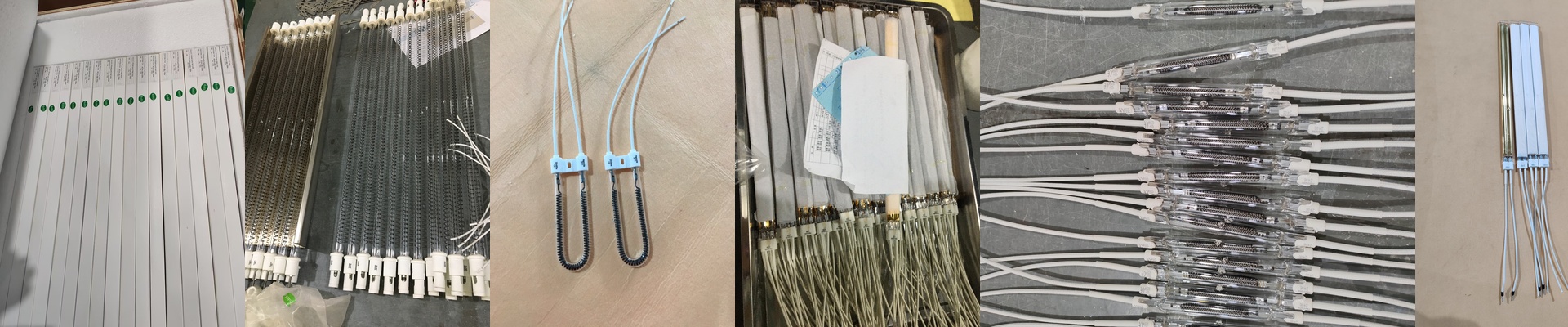
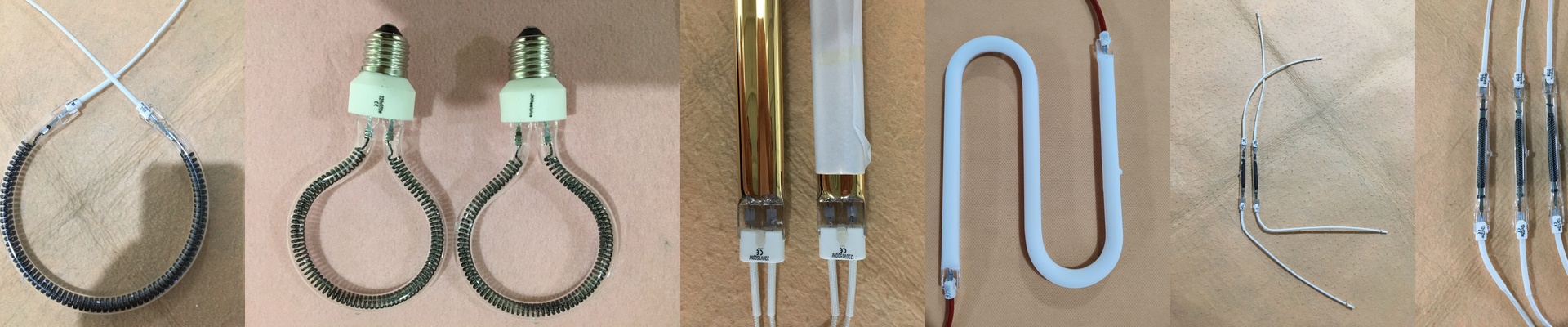
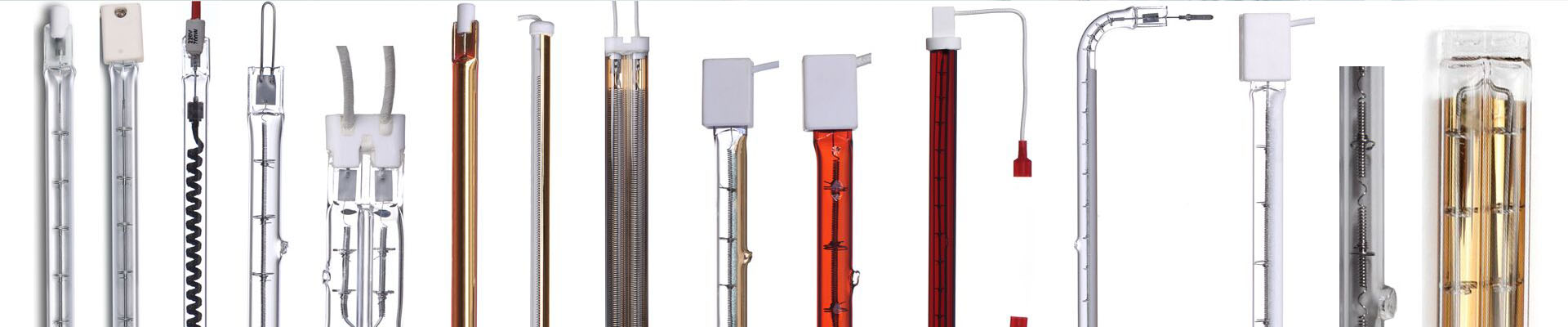
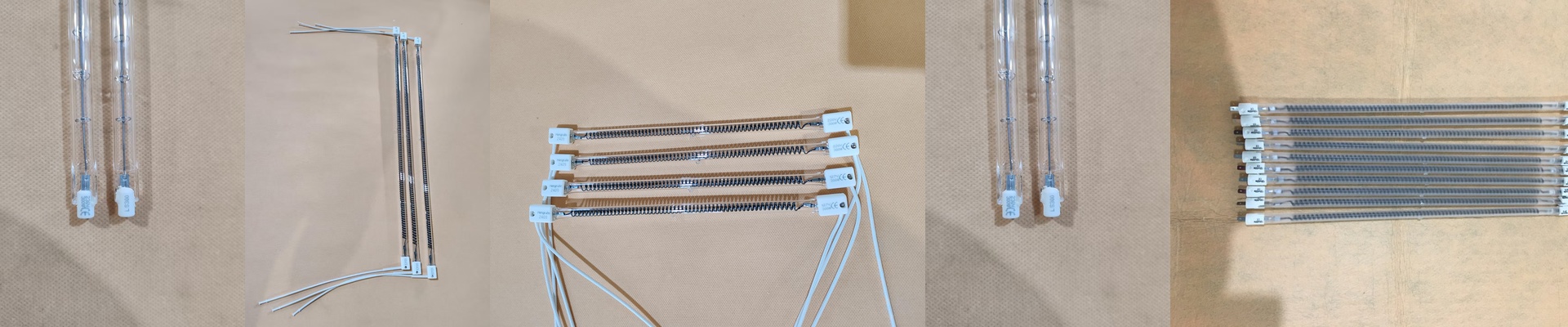
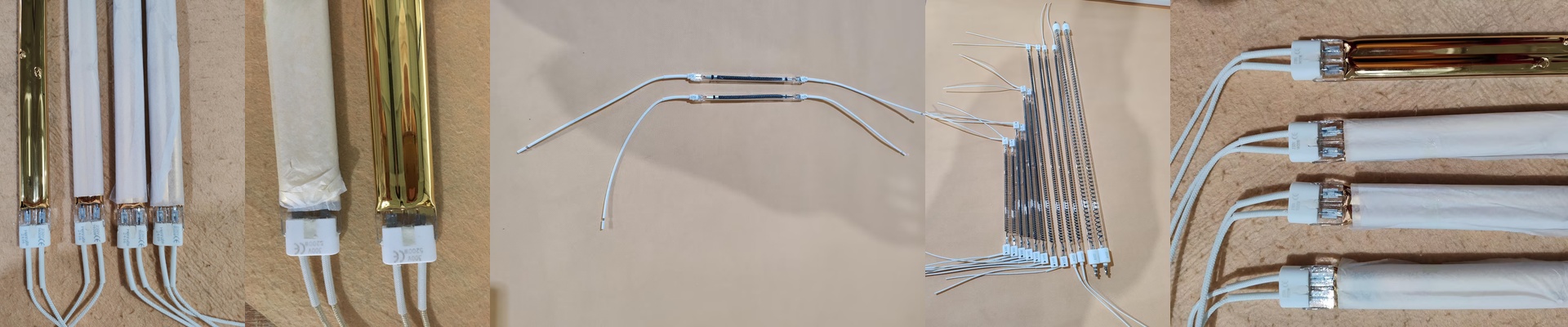
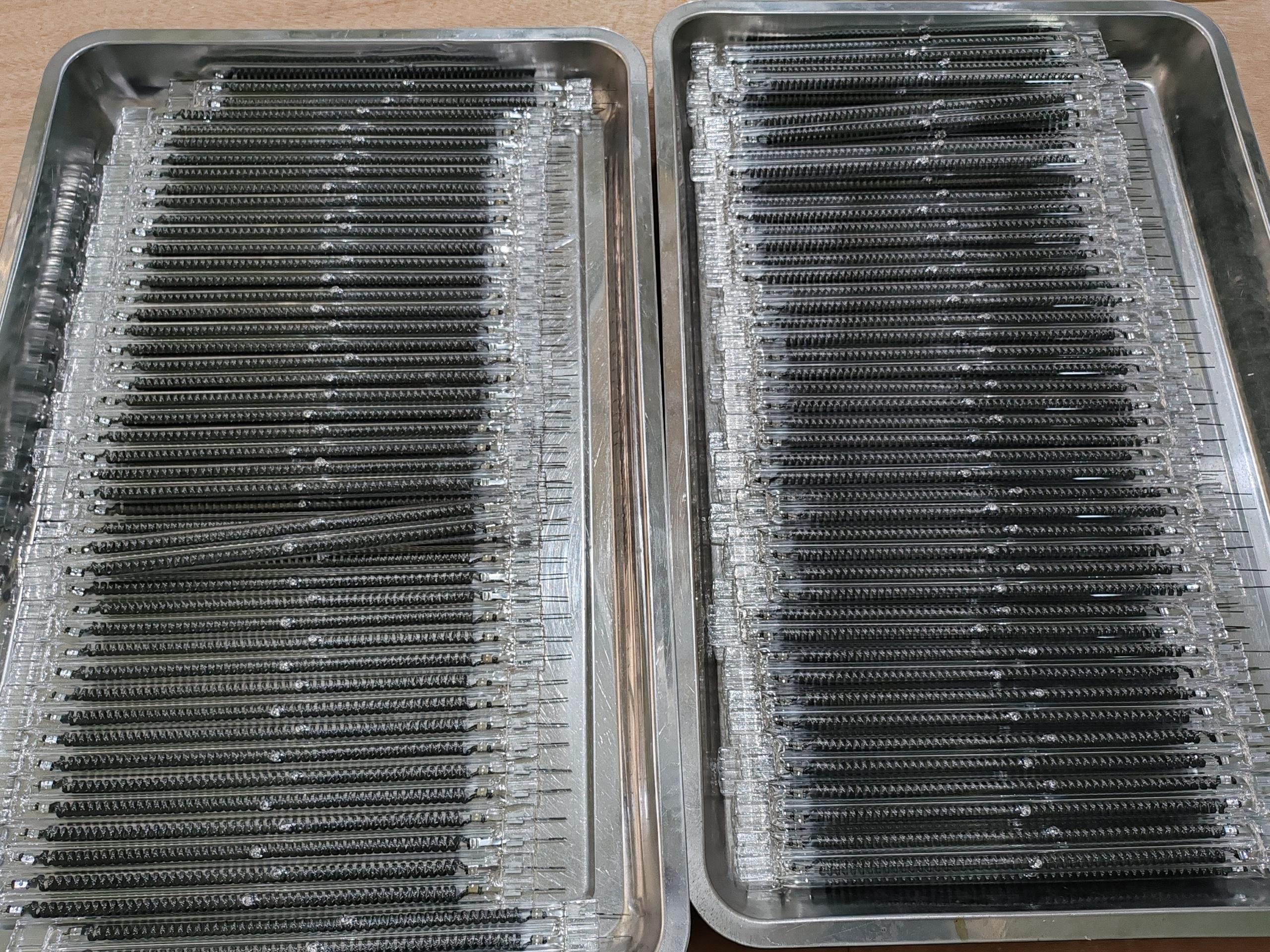
If you’re used to standard quartz halogen tubes, these carbon fiber lamps are going to feel a bit different. We swapped out the old tungsten filament for carbon fiber, and that changes a lot about how the lamp handles heat and pushes out energy. Picking your power We’ve got these in 1000W, 1200W, 1500W, and 1600W—all built for 220V systems. The choice really comes down to how much heat you need, and how fast you need it. If you go with a 1600W lamp, you’re getting a much denser hit of heat per inch. It speeds up your cycle times. Just a heads-up: make sure your wiring and power supply can actually handle that draw. If they can’t, you’re just asking for a burnout. Why carbon fiber? Here’s the best part: the heat is way more consistent. Metal filaments tend to get those annoying “hot spots” where some areas are scorching and others aren’t. Carbon fiber doesn’t do that. It keeps a steady thermal profile across the whole tube. We wrap the whole thing in high-purity quartz, so the shortwave IR radiation just slides right through the glass without getting trapped. Getting them installed These are pretty easy to swap into your existing IR arrays and work fine with standard 220V controllers. But there’s a catch. Carbon fiber is a bit sensitive to physical shocks. If your equipment vibrates a lot, don’t just wing it—grab some reinforced mounting brackets to keep things steady. And if you’re running the 1500W or 1600W models, be careful. They put out a massive amount of ambient heat. If your housing isn’t vented, that heat just sits there and eats away at the lamp’s lifespan. Keep your cooling fans humming, or you’ll end up with melted electrical connections. Not a fun way to spend a Tuesday.