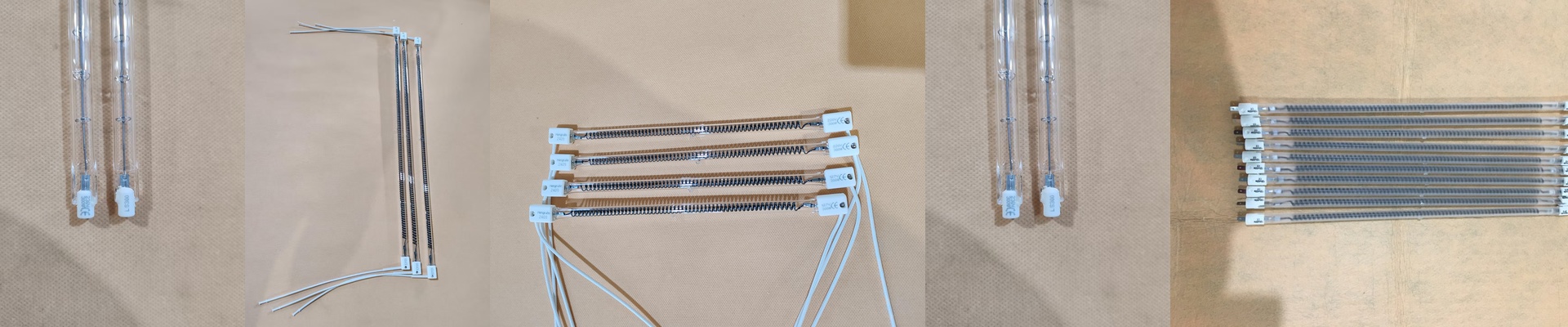
Getting Your Textile Drying Right with Carbon Fiber IR Lamps
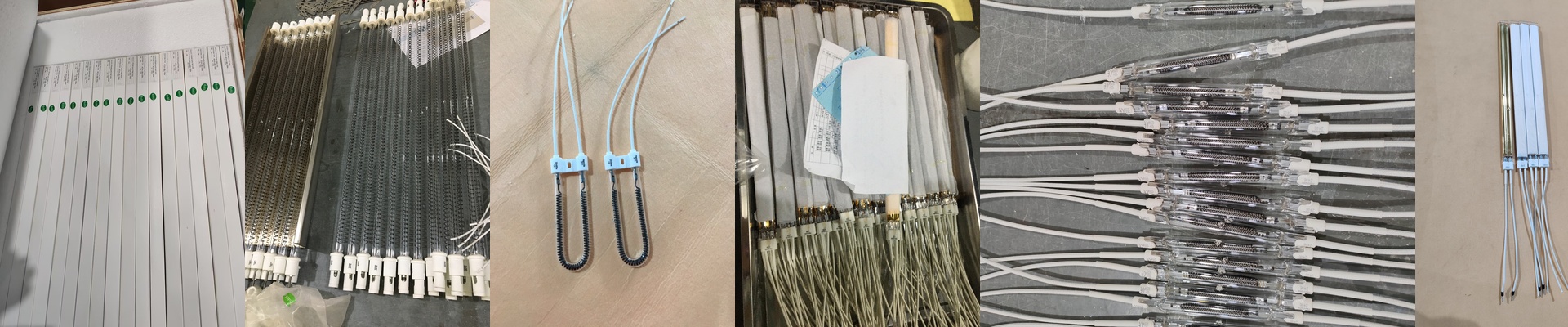
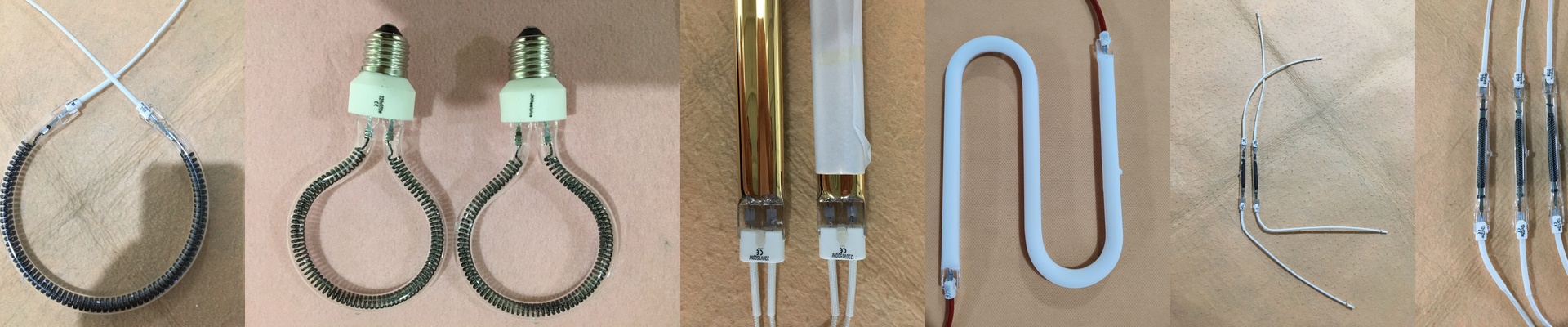
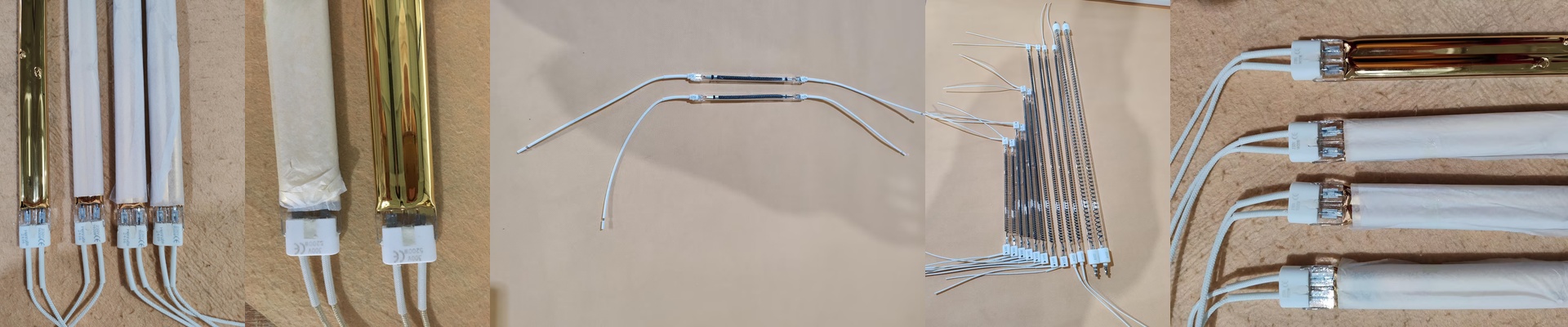
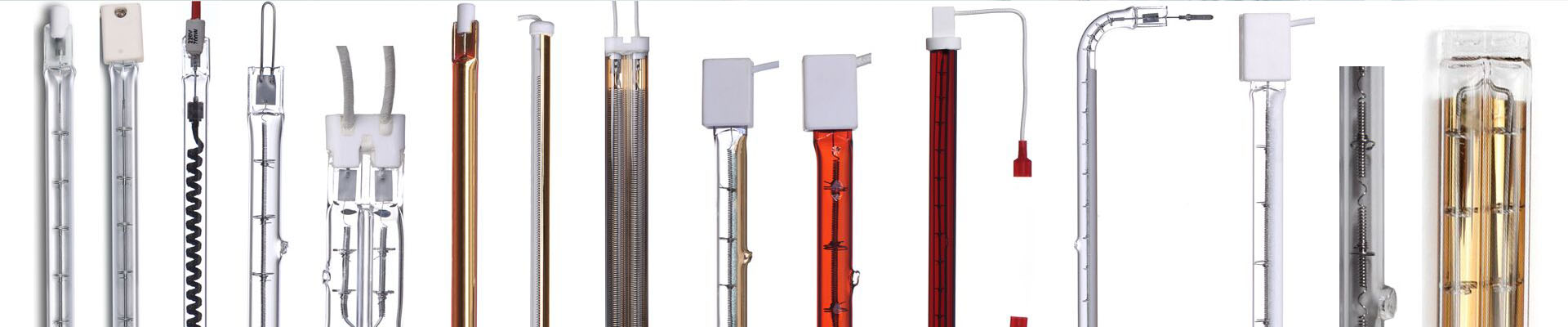
Drying fabric is a bit of a balancing act. You need the moisture gone—and fast—but you can’t just blast it with heat or you’ll scorch the material. That’s why we lean on carbon fiber infrared (IR) lamps. They heat up way faster than those old quartz heaters and the heat actually sinks into the fabric instead of just dancing on the surface. The nitty-gritty on power When you’re picking a lamp, it really comes down to wattage versus length. If you pack more wattage into a shorter tube, you get a much more intense heat density. If you run these at high voltages, you get an immediate thermal punch. It’s powerful. But here’s the thing: your wiring and power supply have to be up for it. If your controls aren’t dialed in, you’ll end up frying the filaments way sooner than you should. What’s actually inside the lamp? We use a carbon fiber element tucked inside a high-purity quartz tube. The reason? Carbon fiber handles the “stretch and shrink” of heating and cooling much better than metal coils. It means the lamp won’t just crack the moment you start cycling it on and off. Then there’s the hardware. Whether you go with an R7s or a slide-in fit, you want something you can swap out quickly during a maintenance window. No one wants to spend an hour fumbling with a connector. A snug fit also stops those annoying electrical arcs at the terminals. Plus, we use special coatings to tweak the heat. We want the energy hitting the fibers, not just warming up the air in the room. Putting them to work The great part is that these usually drop right into your old halogen setups. Because they react so quickly, you can often shorten your drying tunnel, which saves a ton of floor space. But a word of caution: carbon fiber is a bit sensitive to being shaken. If your conveyor belt is rattling or vibrating like crazy, those filaments will snap. To keep them from taking a beating, mount them on dampened brackets. And don’t forget about airflow. If the air stays stagnant, the quartz envelope can get too hot, and that’s where the trouble starts.