Getting the Most Out of Our Carbon Fiber IR Lamps
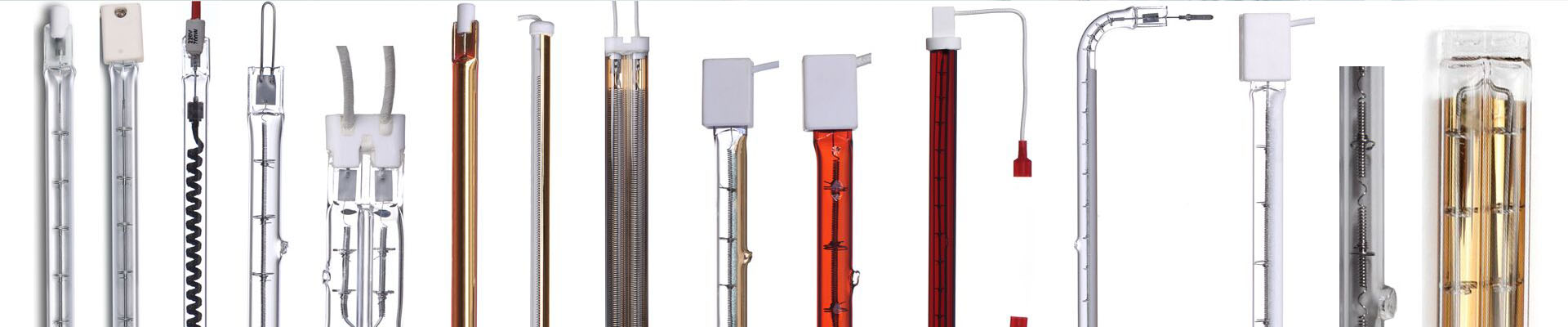
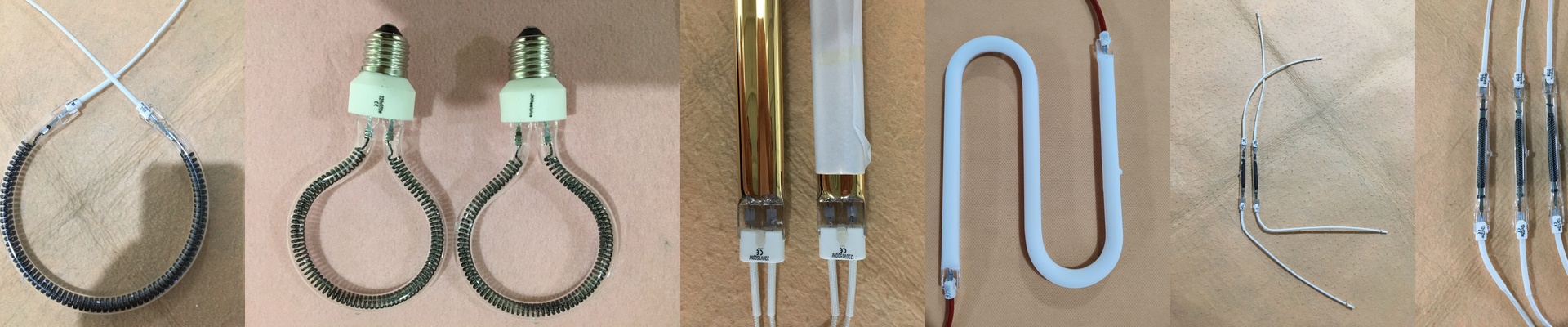
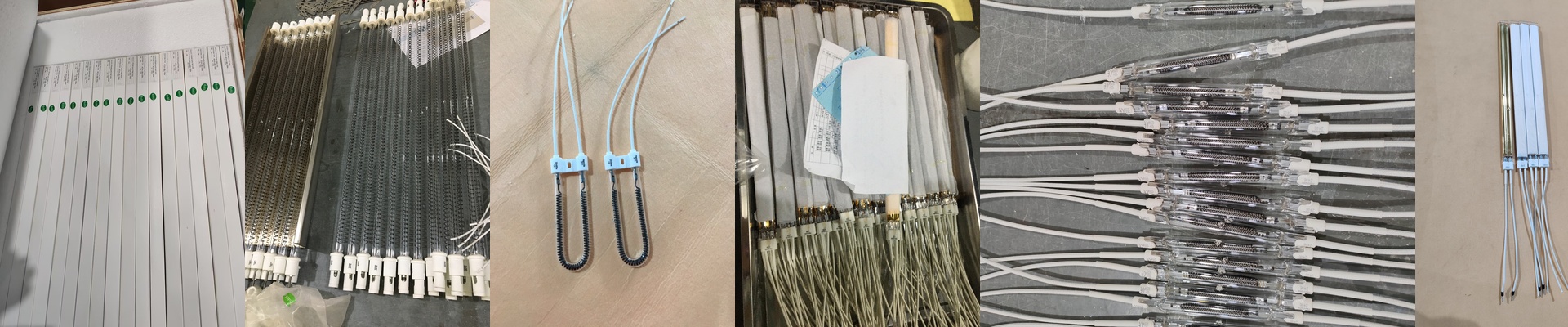
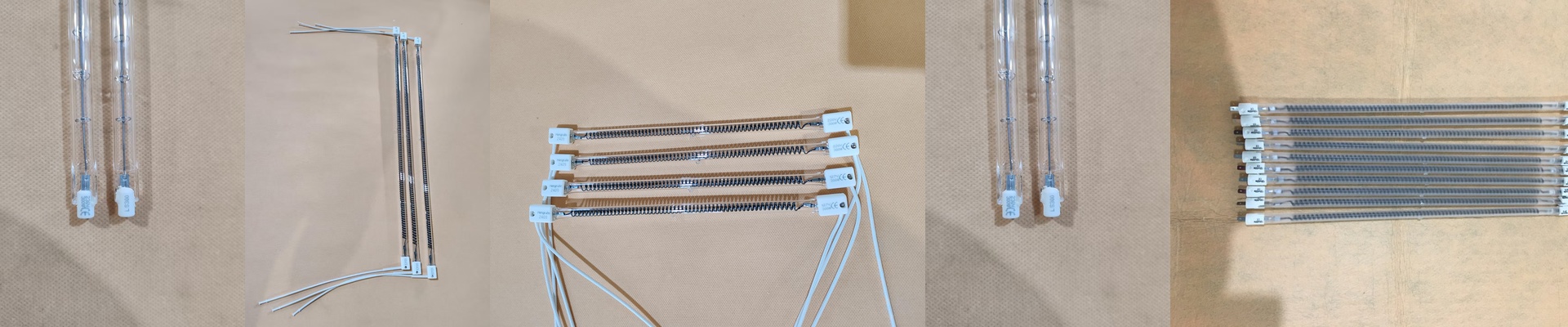
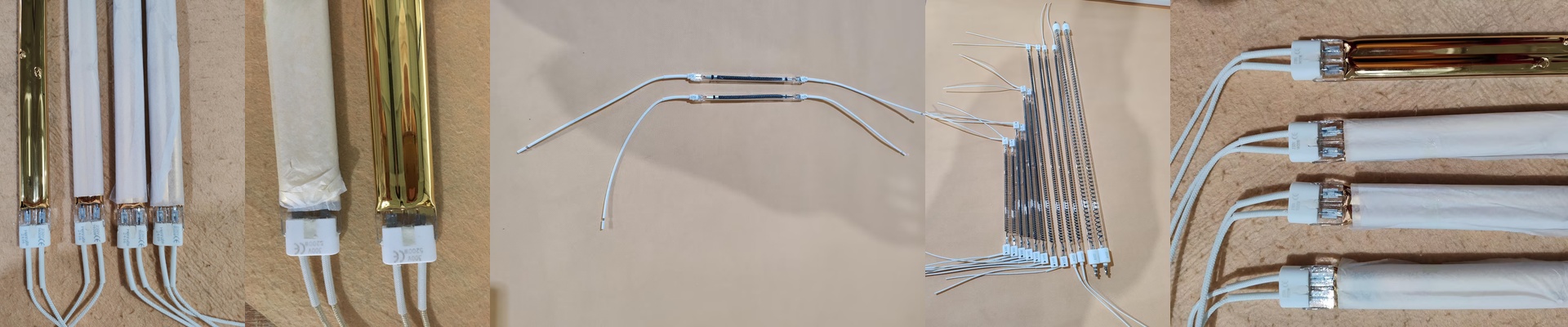
If you’re running a textile drying line, you know the struggle. You need the fabric dry, and you need it fast, but you can’t afford to scorch the material or deal with uneven patches. That’s why we built these 1600W and 2000W carbon fiber infrared lamps. They run at 235V and use a carbon fiber element tucked inside a quartz tube to push out medium-to-long wave heat. Which power level do you need? It really comes down to how fast your line is moving. If you’re pushing more volume, go with the 2000W. Just a heads-up: if you jump up to the 2000W version, double-check your wiring and control relays. You don’t want your terminal blocks overheating because the current draw is higher. As for that 235V rating? It’s there for a reason. It keeps the filament from burning out too early on specific industrial grids. Why carbon fiber? Old-school metal coils are okay, but they tend to have “hot spots.” That’s a nightmare when you’re working with delicate fabrics. Carbon fiber is different. It spreads the heat evenly across the whole tube. Plus, it reacts way faster. When you tweak the voltage, the lamp responds almost instantly. It makes dialing in your temperature curves a lot less stressful. Making it work in your dryer The goal is simple: get the moisture out without ruining the fibers. Because these lamps use a longer wave, the heat actually sinks deeper into the material. It just dries faster. For the best results, hook these up to a PID-controlled system. One last thing—and this is important—treat the quartz glass with care. It’s tough against heat, but fragile against everything else. A good bump or some chemical residue on the glass can cause the tube to crack under pressure. Keep them clean, and they’ll keep performing.