Introduction
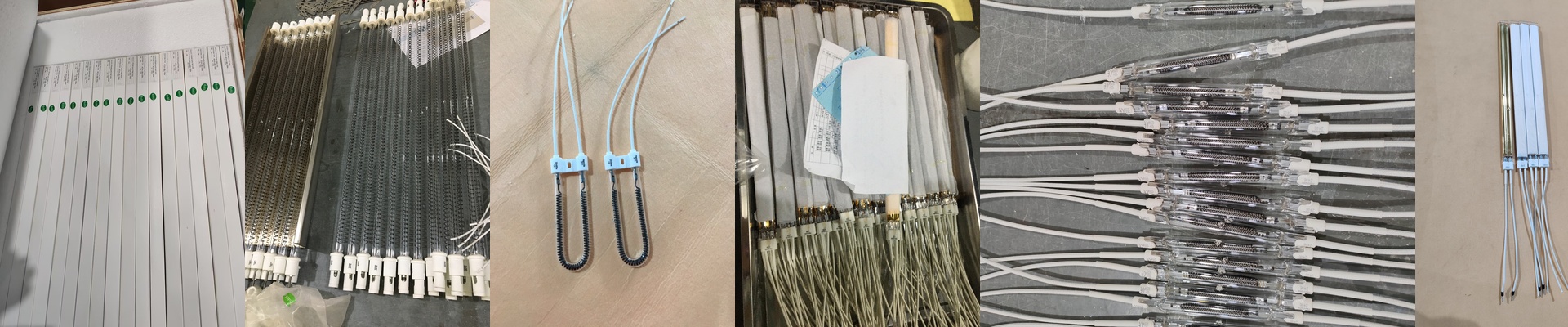
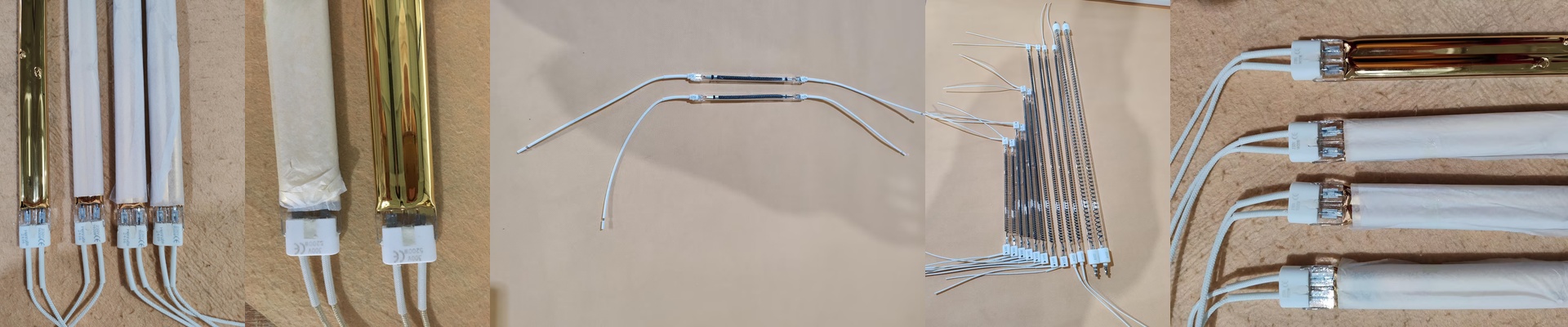
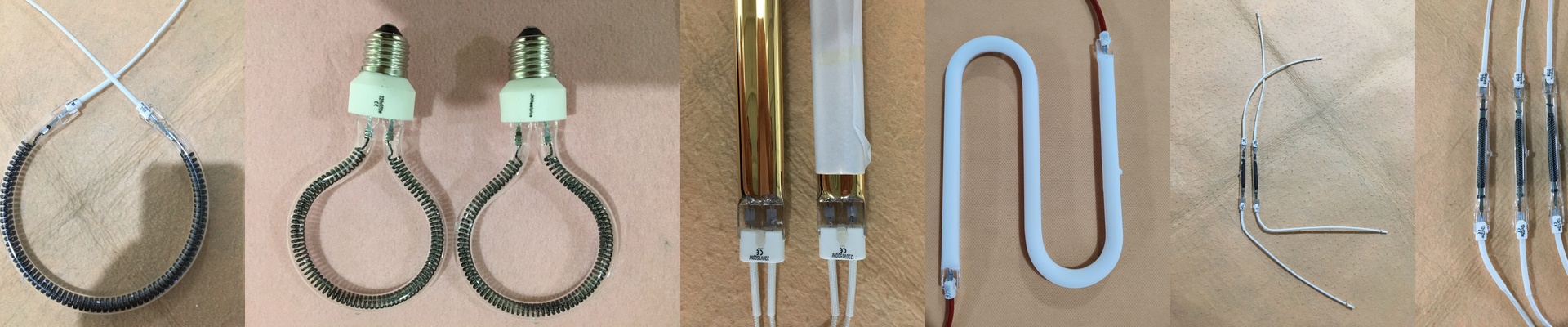
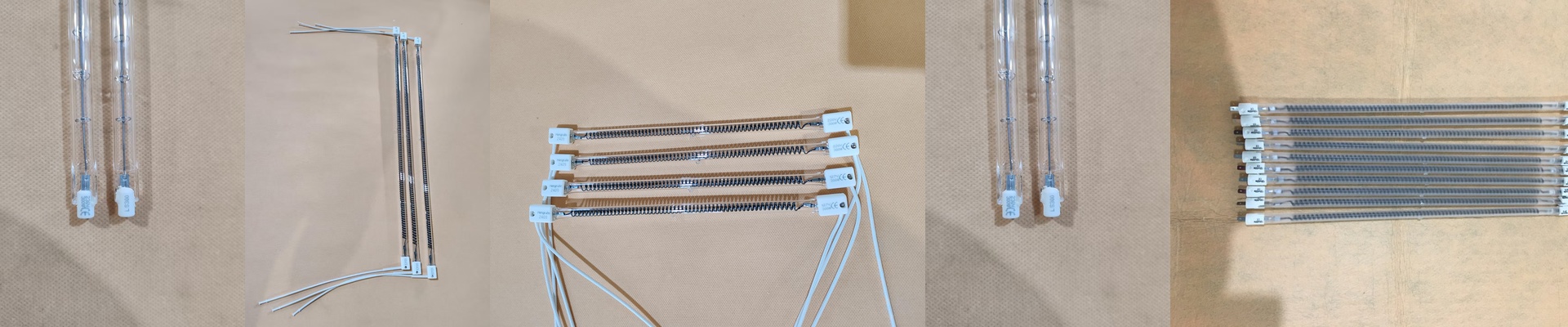
We built this 650mm carbon fiber heat lamp for the kind of industrial heating where you need serious infrared power—fast, steady, and in a tight space. It’s the kind of lamp you can count on when you’re running a small oven, heating up a thermoforming zone, or powering a custom heating fixture.
What makes it tick
Here’s the thing: it’s a 2600W lamp on a 230V supply, packed into a 650mm tube. That means serious heat density. You get a quick temperature ramp-up—perfect when you need heat on demand. But with that kind of power, it also draws a lot of current. So you’ve got to wire it with cabling and terminations that are properly rated. If you don’t, you can end up with hot spots right at the sockets, and that’s a headache you don’t want. And while the 230V rating fits right in with standard European industrial panels, the power still demands a solid control setup. Plan your contactor sizing, fusing, and thermal protection from the start.
Material and build
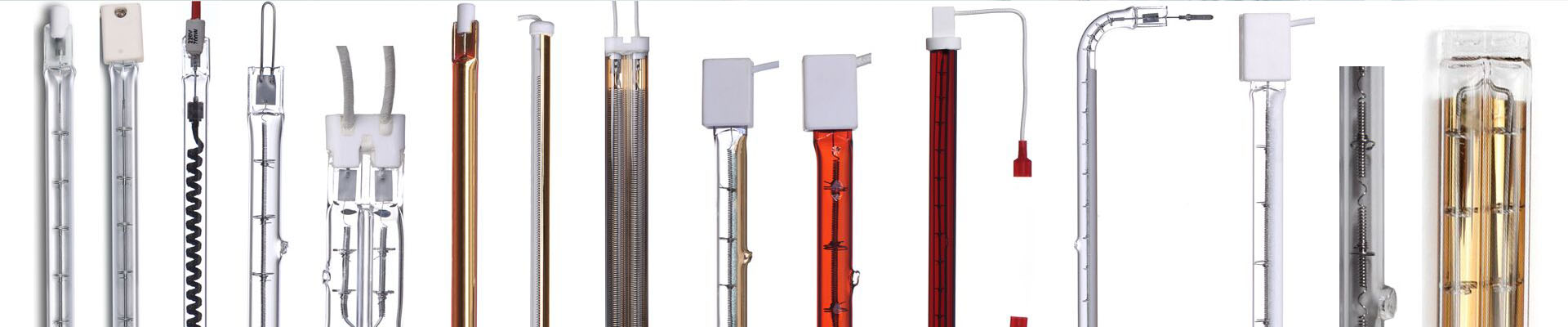
The carbon fiber element heats up fast and handles sudden temperature swings better than traditional wire elements. It’s tough, and it responds quickly. A quartz envelope keeps the element protected and helps the output stay steady, even when you’re cycling the heat on and off all day. Mounting is straightforward too. It uses an R7s base—the standard double-ended linear style—so it drops into existing fixtures with minimal fuss. And the slim, straight shape makes alignment easy, even in tight machine spaces.
Where it shines
This lamp is made for jobs that need rapid heat-up and consistent infrared over a fixed area. You’ll see it used a lot for heating plastic, drying, curing, and preheating components. Its compact footprint lets you focus the heat exactly where you need it. But—and this is important—with 2600W, heat management isn’t optional. Make sure the airflow and insulation around the fixture are matched to the output.
Keep it real
At 2600W, this lamp throws off a lot of radiant and convective heat. Nearby components will feel it. So plan for proper clearances, add shielding where you can, and make sure you’ve got ventilation sorted. Give the lamp room to breathe, and your whole setup will run more reliably—day after day.