Getting the Heat Right: A Look at Carbon Fiber IR Lamps
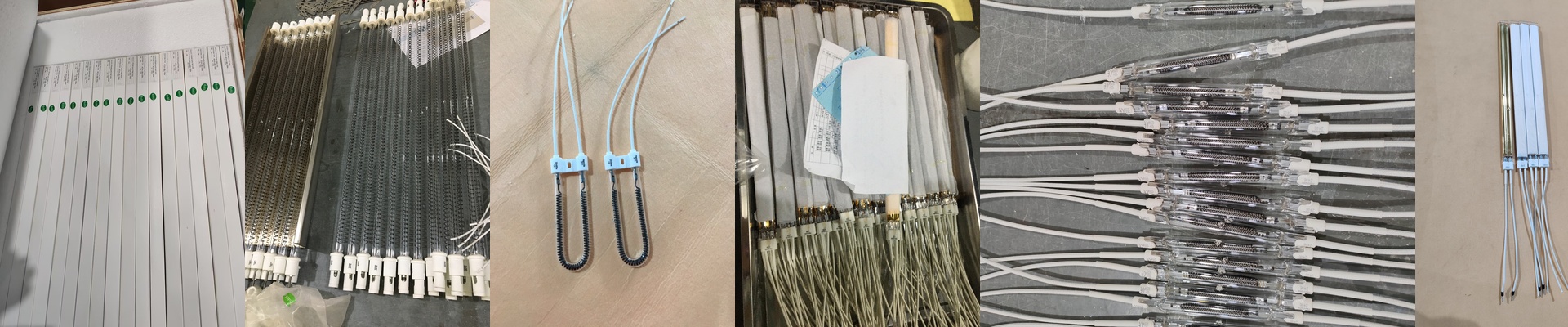
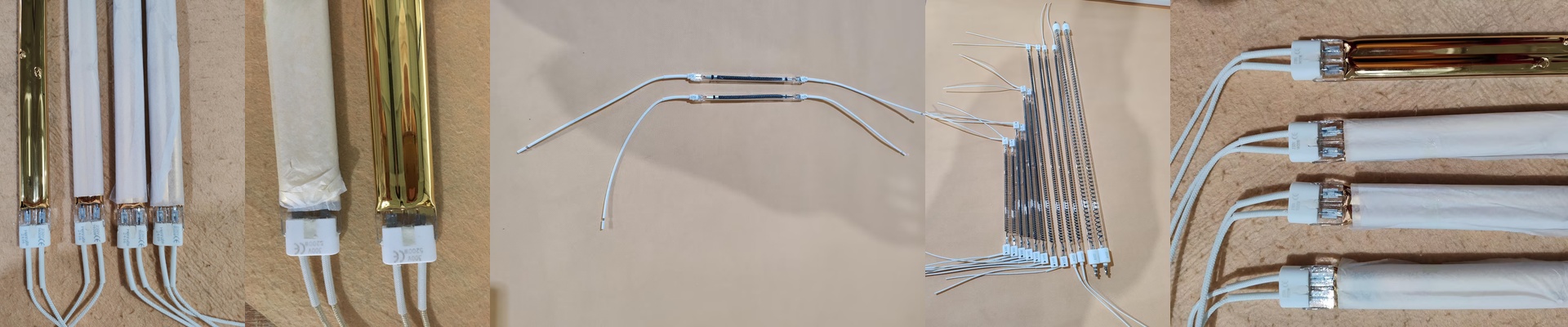
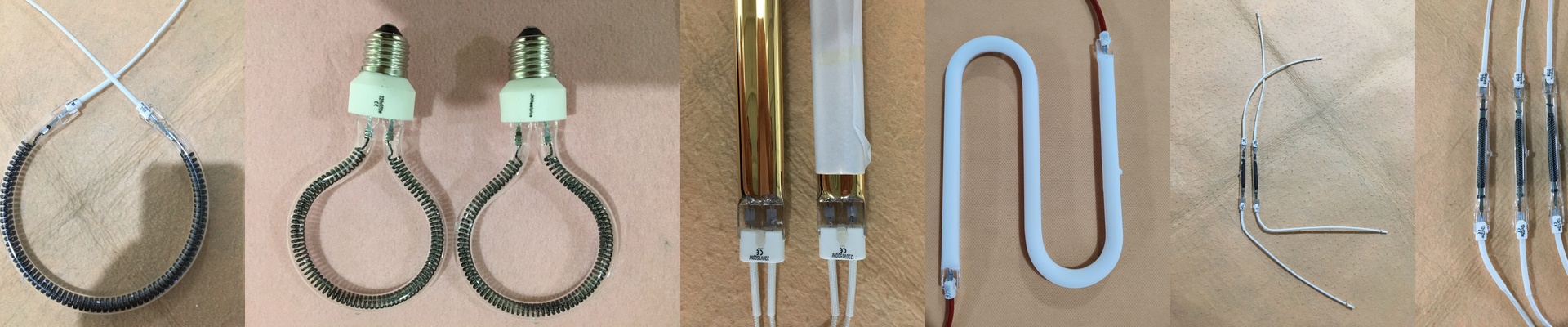
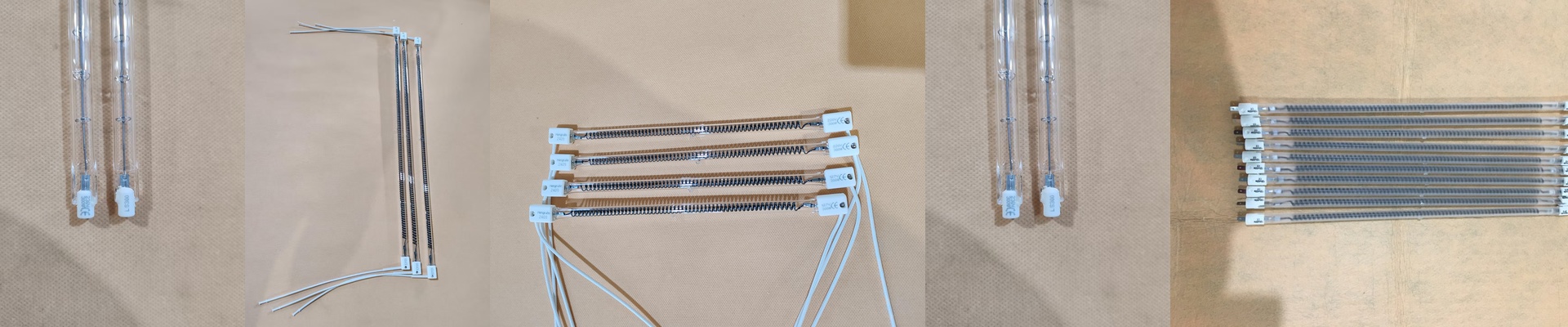
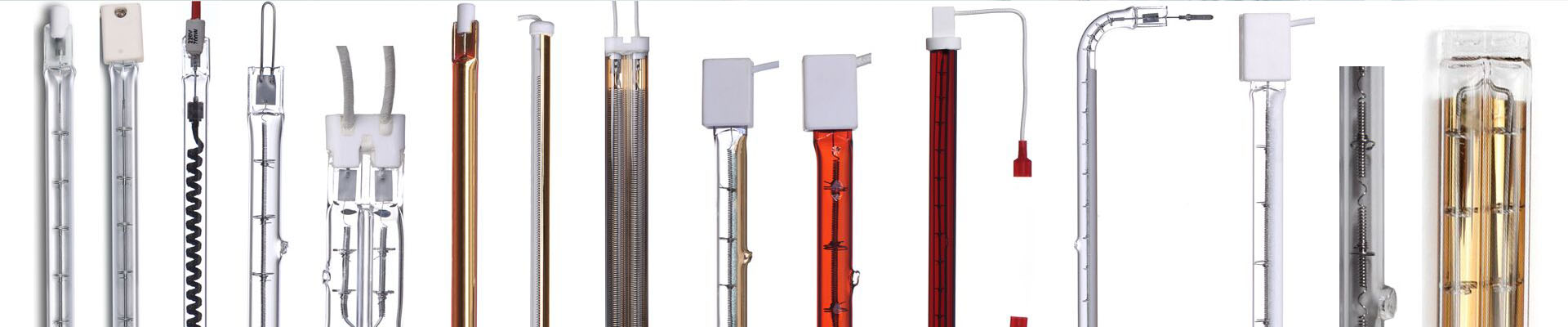
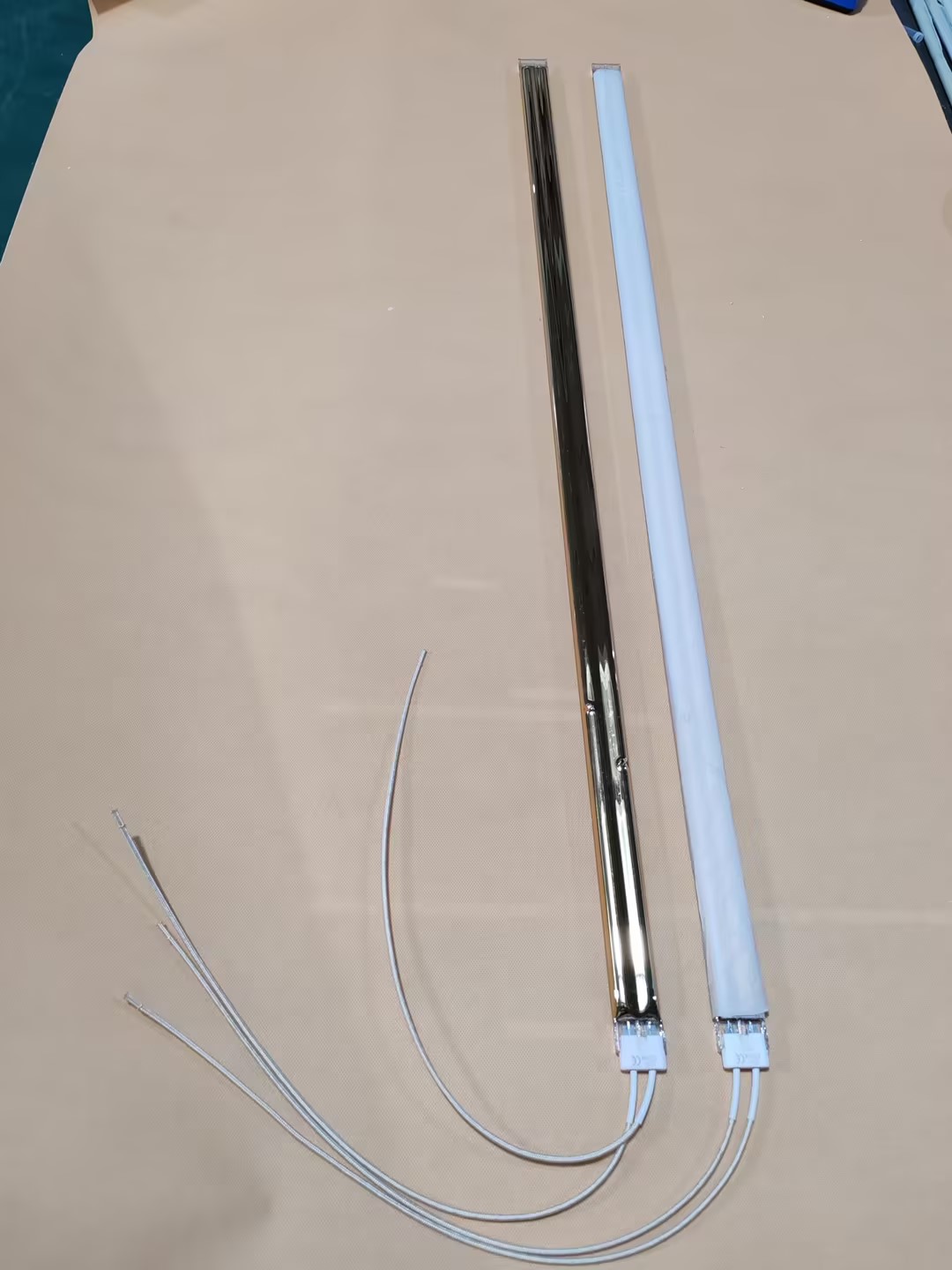
Most people are used to those old-school quartz or halogen tubes. But we do things a bit differently. We use a carbon fiber filament tucked inside a protective sleeve. Why? Because sometimes you don’t just want to bake the surface of something—you want the heat to actually sink in.
Let’s talk power
Here is how it works: we run a current through that carbon fiber core. The cool thing about carbon fiber is that it can take a lot of current without just giving up and burning out. If you’re setting these up for a sauna or an industrial printer, the wattage is what controls your heat flux. More wattage means more intensity. But keep an eye on your power supply. If your wiring can’t handle the peak amperage, you’ll get voltage drops. And when that happens, your efficiency just tanks.
The trade-offs (because nothing is perfect)
We stick with carbon fiber because it puts out far-infrared radiation. For a sauna, that means the heat feels like it’s soaking into your skin. For printing, it means the polymers actually absorb the heat. But there’s a catch. If you need a scorching, instant sear on a surface, these aren’t your best bet. Shortwave quartz lamps are better for that “pinpoint” heat. Carbon fiber is a bit “softer.” It’s built for volumetric heating—where the goal is to get the heat deep inside the target.
Putting them to work
In a sauna, these lamps give you a steady warmth. It doesn’t strip the moisture out of the air the way those loud, forced-air heaters do. It just feels… better. For the printer folks, these are your go-to for curing or drying. You can hook them up to a PID controller to keep your temperatures exactly where they need to be. One quick tip: watch your spacing. If you leave too many gaps between the lamps in your drying tunnel, you’re going to end up with cold spots. And nobody wants a half-dried product.