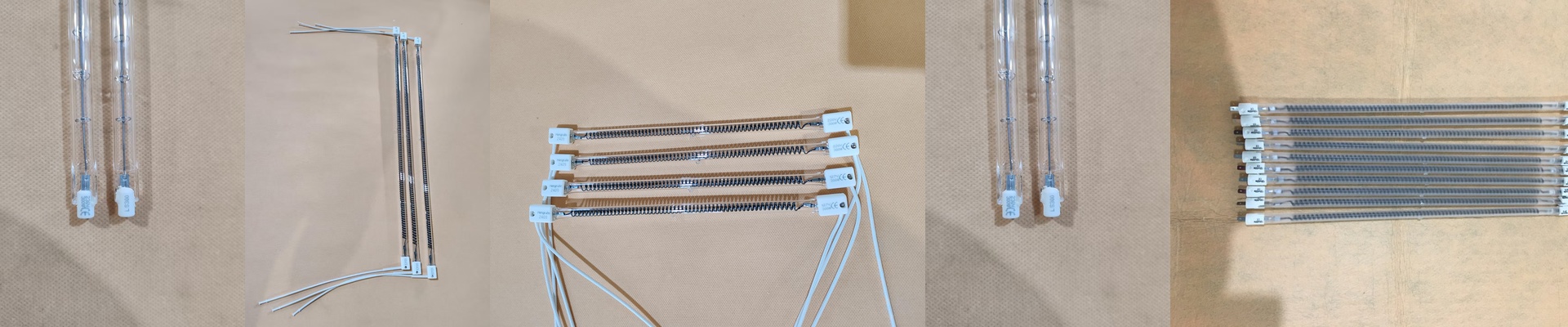
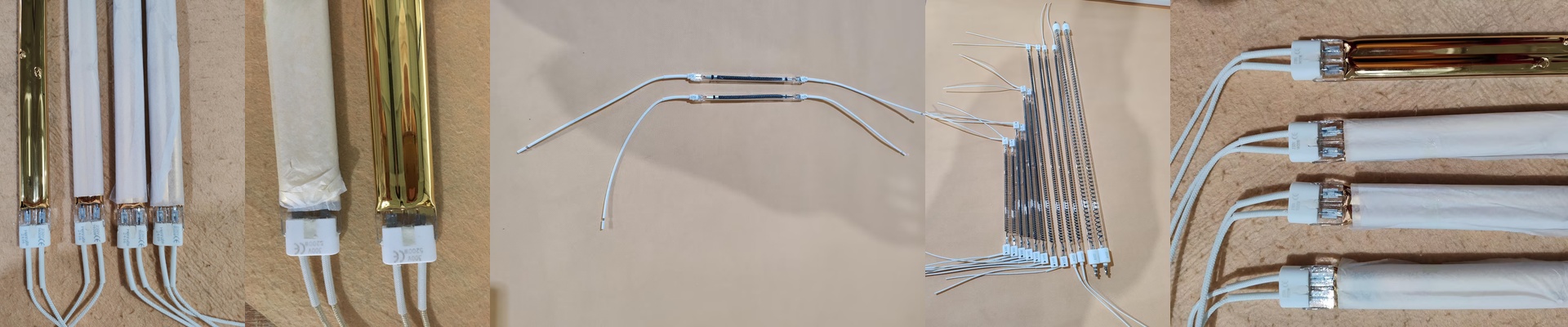
Let’s Talk About the 220V 2000W Carbon Fiber Heating Lamp
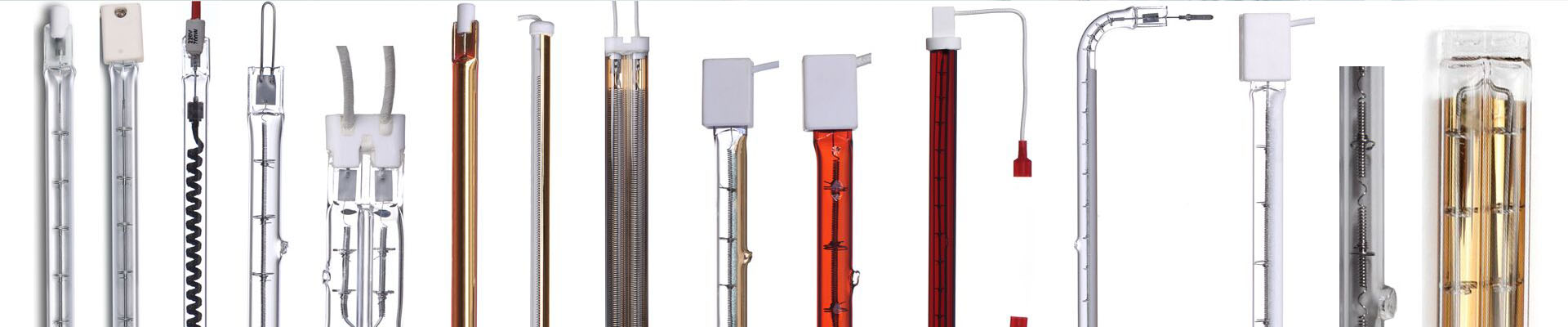
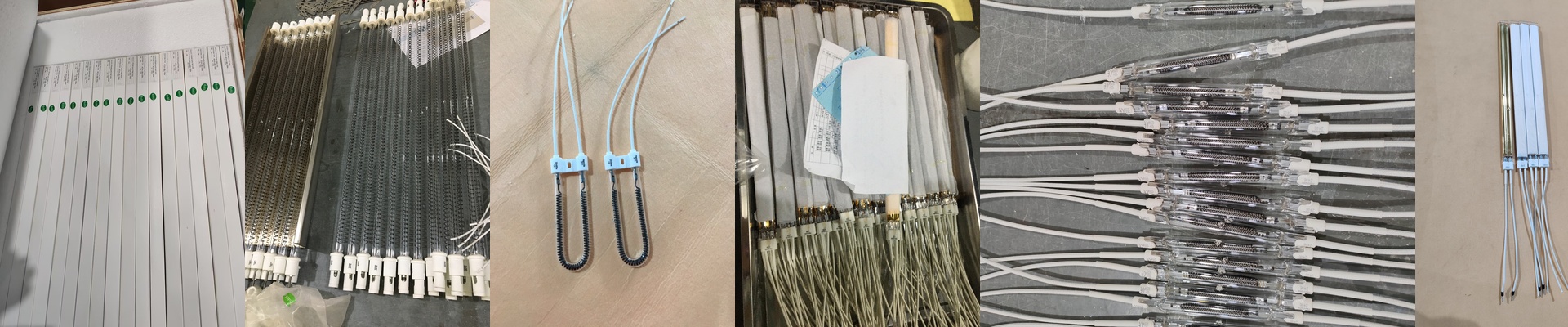
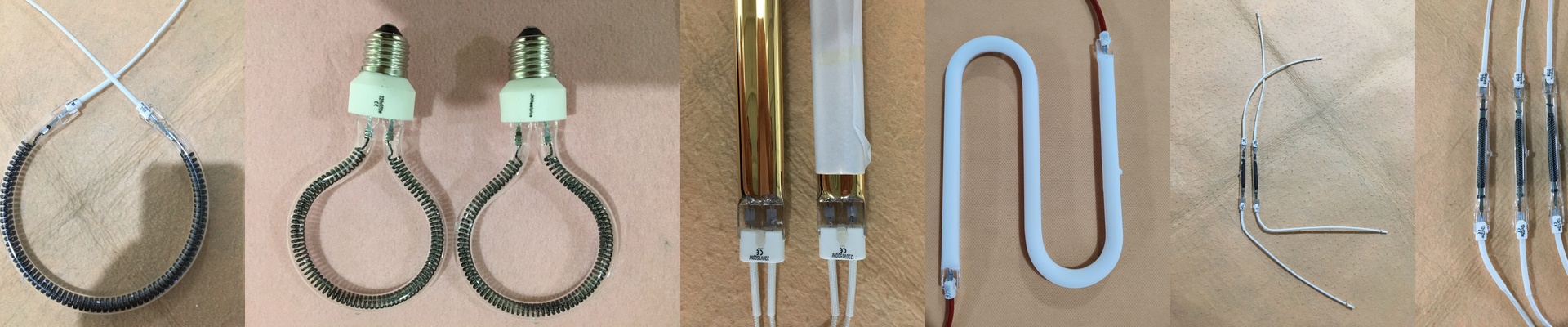
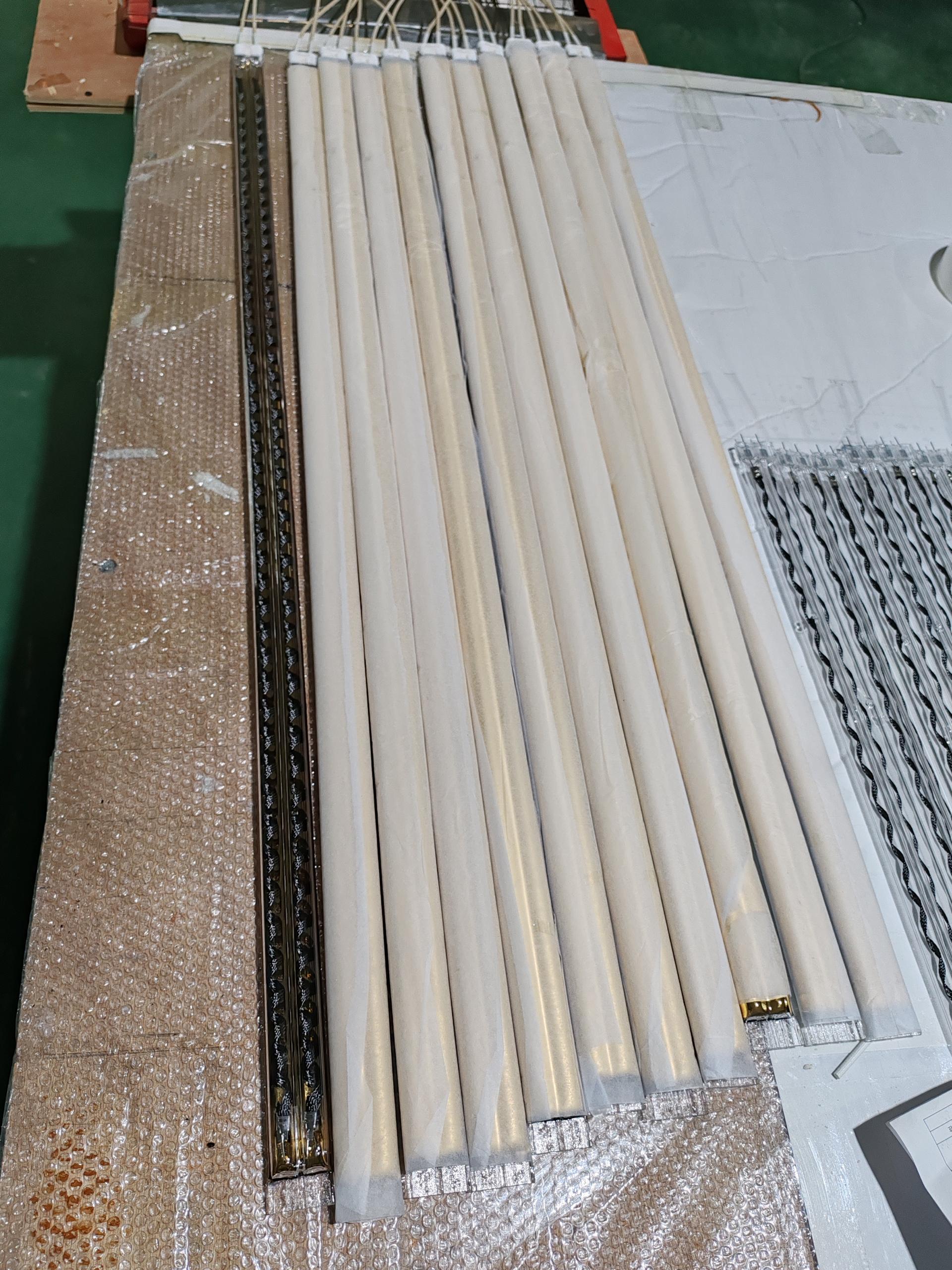
If you’re running an industrial setup that needs heat—and needs it now—these carbon fiber lamps are a great way to go. We built these for the kind of jobs where you can’t afford to wait around for a heater to warm up. Instead of the usual tungsten wires you see in old-school bulbs, we use a carbon fiber element tucked inside a quartz tube. It’s a simple change, but it makes a big difference.
The Power Stuff
At 2000W and 220V, these things pack a serious punch. The best part? You don’t need some fancy, expensive transformer to get them running. You can just plug them straight into your standard industrial grid. It gets hot fast. Really fast. Because we switched to carbon fiber, the element doesn’t freak out when it expands and contracts. Metal wires tend to snap if you turn them on and off too often, but carbon fiber handles that stress much better. It just lasts longer.
Why Carbon Fiber?
Here is the thing about the heat: it’s medium-wave infrared. In plain English, that means the heat sinks deeper into your materials than a short-wave lamp would, but it’s way easier to control than those long-wave heaters. To keep the element from burning out, we wrap it in high-purity quartz. We use the good stuff so the glass stays clear and doesn’t get cloudy or “foggy” over time. But a heads-up:be careful with the glass. The heating element is a beast, but the quartz tube is fragile. If you drop it, or—heaven forbid—splash cold water on it while it’s glowing red hot, it’ll crack instantly. Treat it with a bit of respect.
Putting Them to Work
You’ll usually see these in paint curing lines, PET bottle preheating, or drying tunnels. Since they put out so much heat in such a small package, you can save a lot of space in your machinery. If you’re installing these, do yourself a favor and check your reflectors. Use polished aluminum or gold-coated ones. If your reflectors are dull, you’re basically throwing away 30% of your heat. And one last thing—watch your wires. 2000W pulls a lot of current. If you use wires that are too thin, they’ll overheat, and that’s a problem nobody wants. Use a heavy-duty gauge and you’ll be golden.