Getting the Heat Right: Why We Use Carbon Fiber for Animals
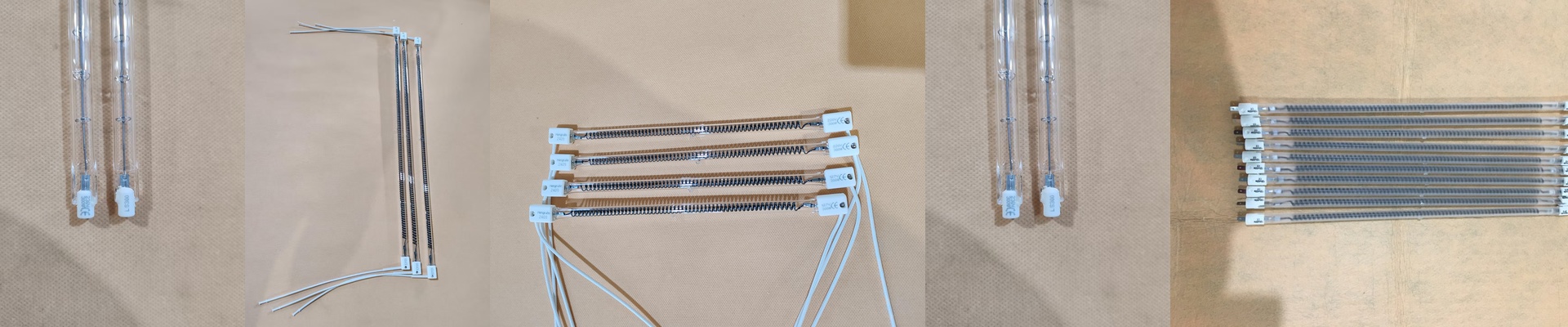
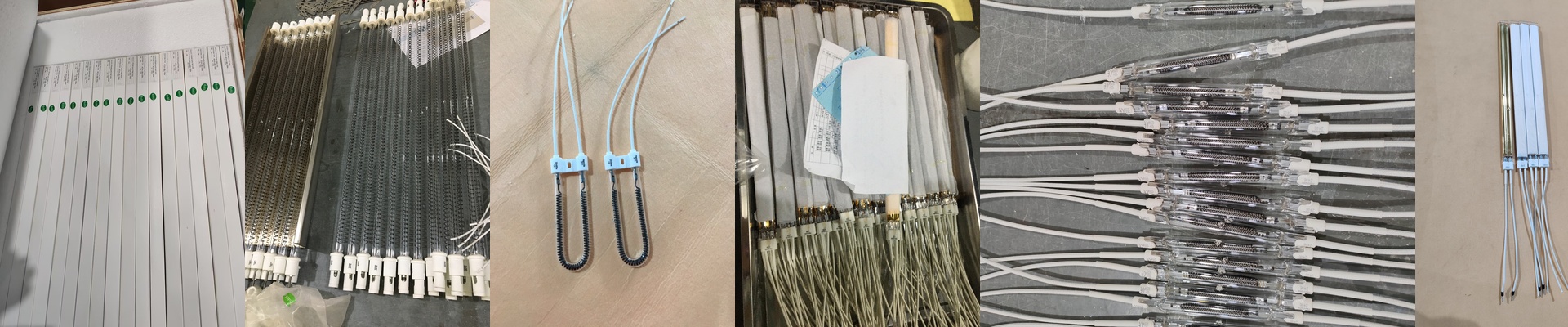
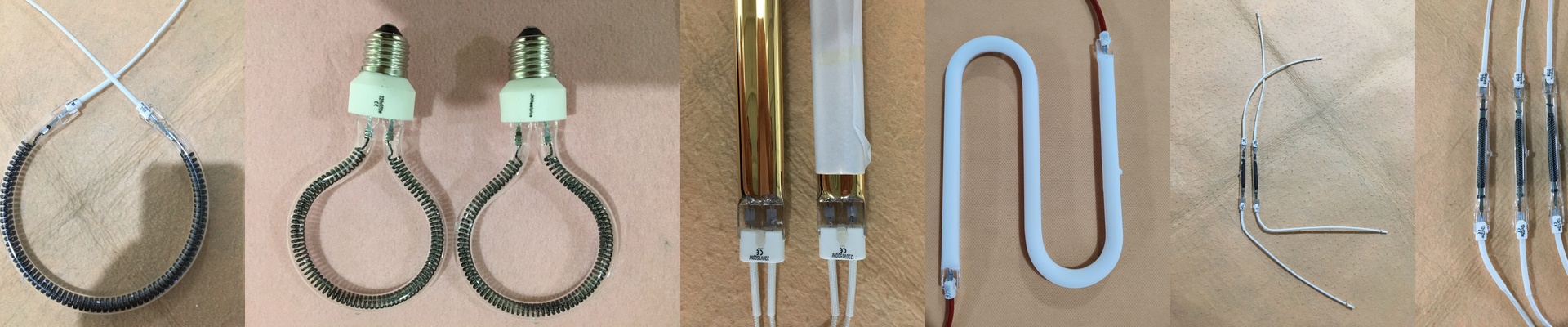
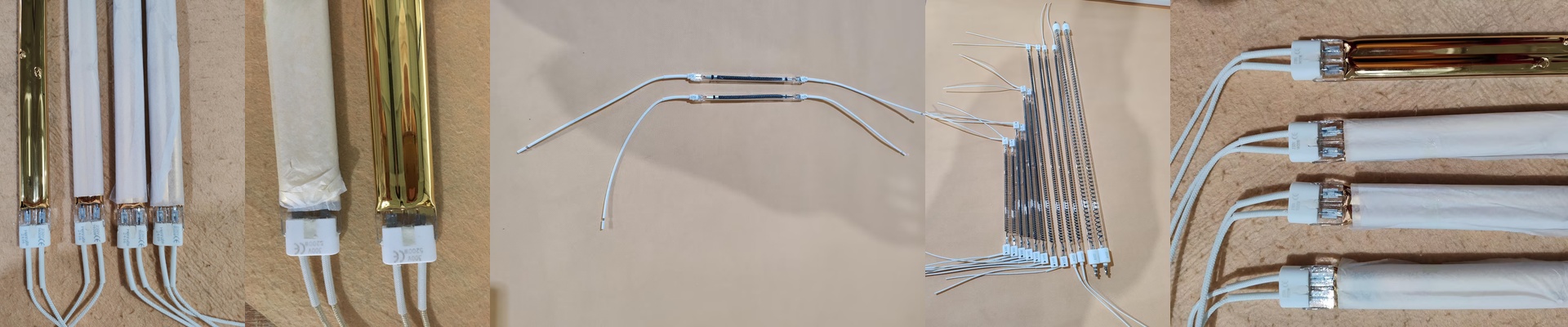
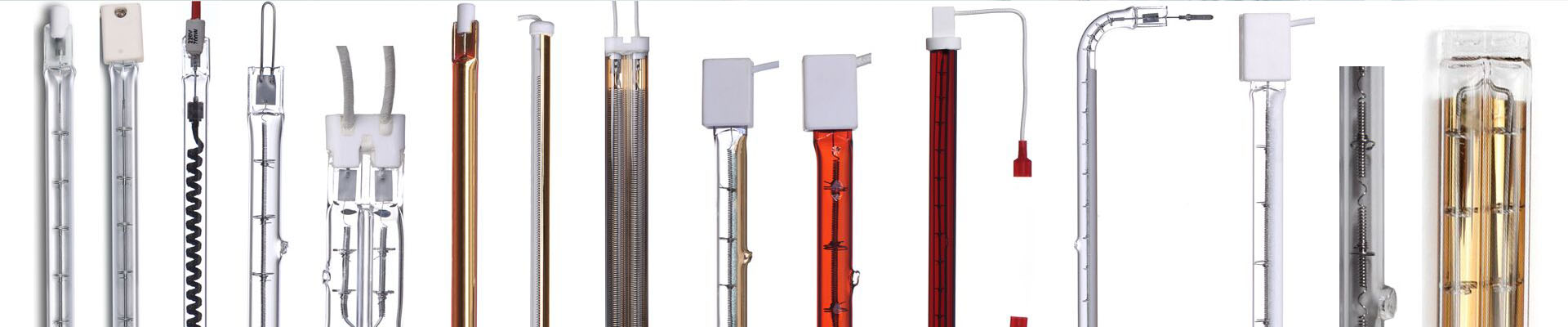
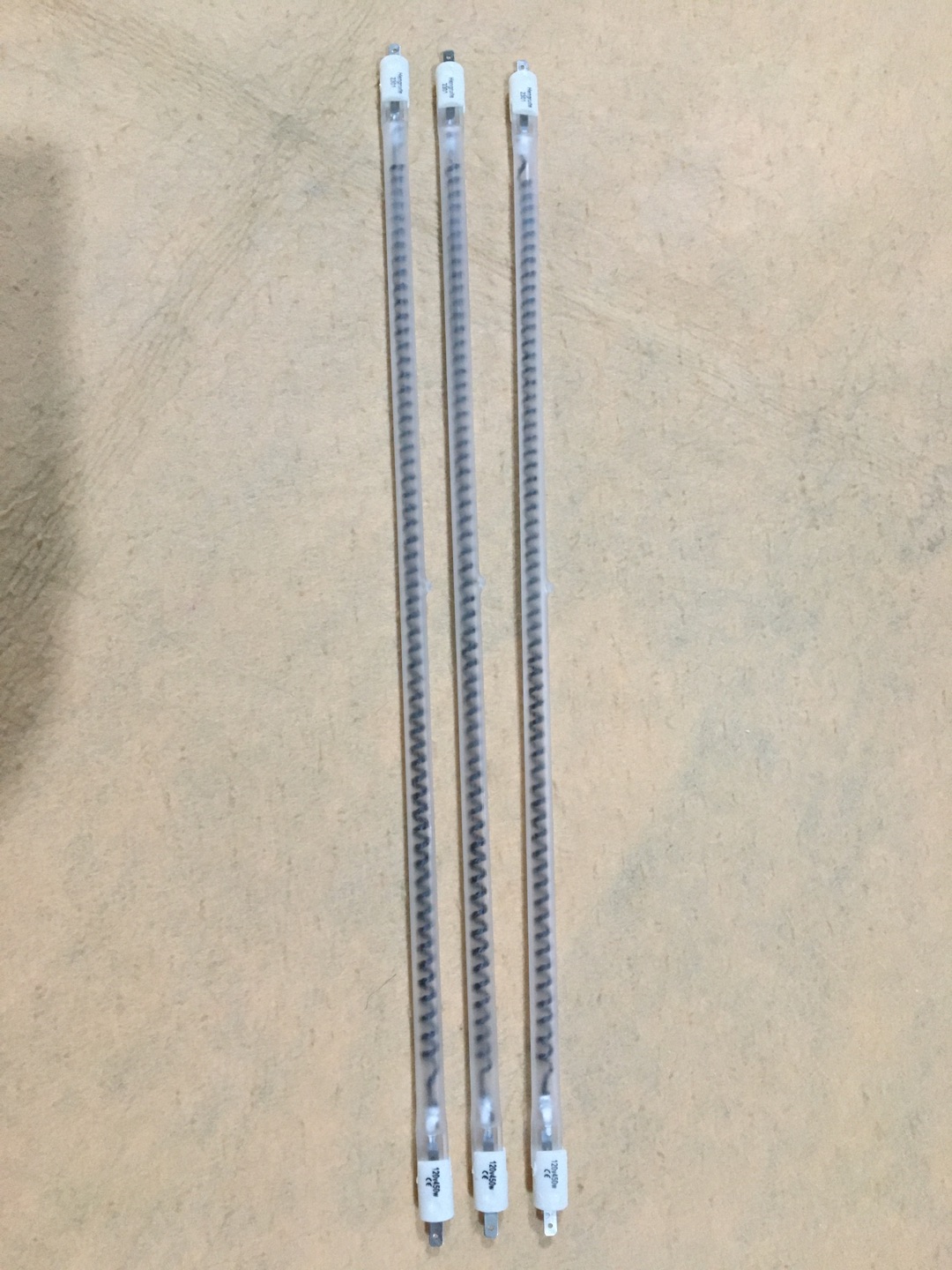
When it comes to keeping animals warm, not all heat is created equal. Most people are used to those old-school halogen tubes with the tungsten filaments. They work, sure, but they’re a bit blunt. We do things differently. We use carbon fiber heating elements tucked inside a quartz envelope. It sounds technical, but the result is simple: it changes how the heat actually hits the animal. It’s about the soak, not the sear. Here is the deal with the physics. Tungsten gets incredibly hot on the surface, which can feel like a harsh blast. Carbon fiber stays a bit cooler on the outside but pumps out far-infrared radiation. That specific kind of heat doesn’t just sit on the skin. It sinks in. It gets deep into the muscles and tissues, giving the animal a consistent, deep warmth. Now, we play around with the wattage and the length to get the intensity just right. If you pack more wattage into a shorter lamp, it gets more intense. Just keep an eye on the distance—you don’t want them too close, or you’re risking skin burns. Built for the chaos of a barn Let’s talk about the build. We use quartz glass because it doesn’t crack when the temperature swings wildly. It also keeps the oxygen away from the carbon, so the lamp doesn’t just burn out the moment you flip the switch. We also stuck with standard R7s and SK15 connectors. Why? Because nobody wants to spend their afternoon hunting for custom adapters. These just slide right into most industrial sockets. Plus, carbon fiber is tougher than those thin tungsten wires. In a barn, things shake. Things bump. These lamps can take a beating and keep on glowing. A few things to watch out for These lamps heat up fast. Really fast. But there’s a trade-off: that quartz glass gets scorching. You’ve got to make sure your mounting brackets can handle the heat and, more importantly, that the animals can’t actually touch the bulb. And a heads-up if you’re working in a tight space—if you crank the wattage, the air in the room will warm up quickly. Your best bet is to pair the lamps with a solid thermostat. Let the thermostat do the thinking so you don’t accidentally turn the enclosure into an oven.