Getting the Most Out of Carbon Fiber Infrared Emitters
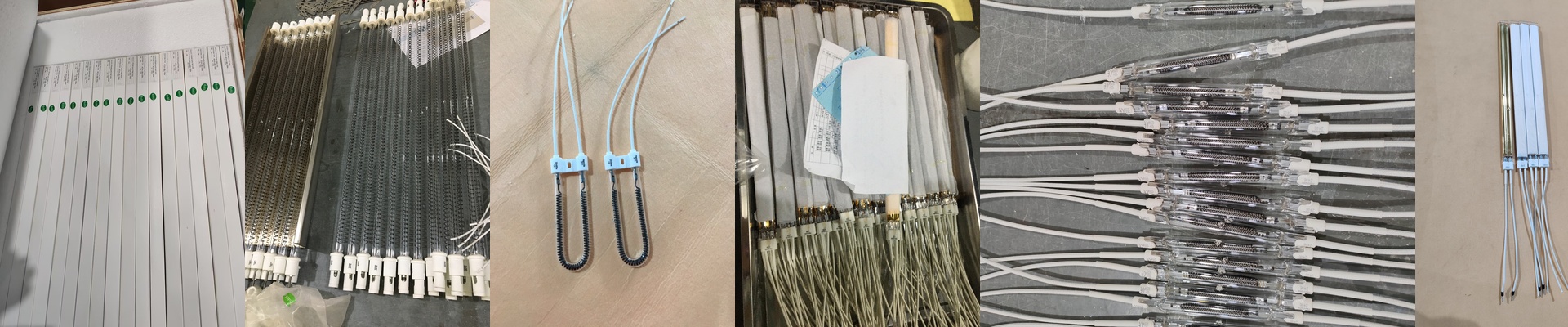
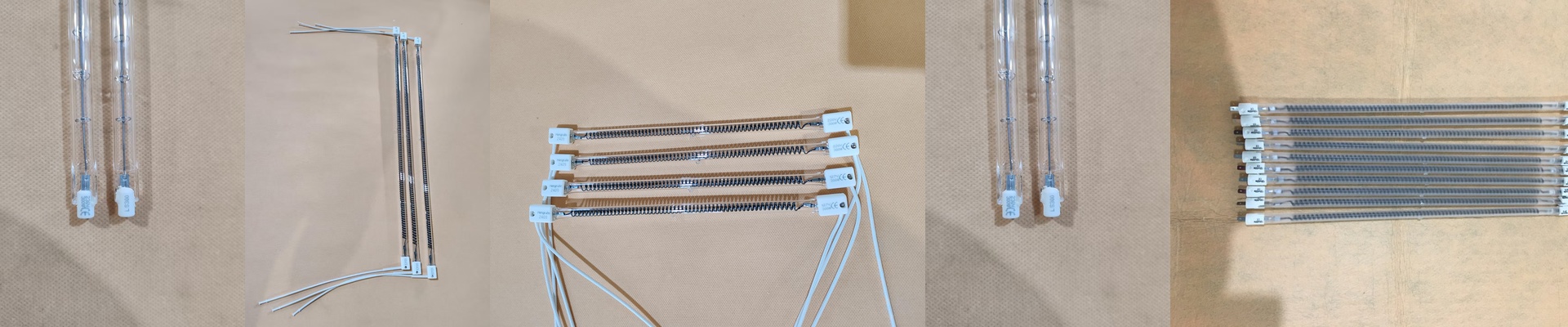
If you’ve spent any time around standard metal-filament lamps, you know they can be a bit sluggish. That’s why we use carbon-based heating elements tucked inside high-purity quartz. It’s a different beast entirely. These things hit their peak temperature almost instantly, giving you a massive punch of heat without that annoying lag you get from old-school resistive elements.
The Deal with Power and Voltage
Here is the thing: your voltage and wattage basically decide how much “punch” your heat has. If you go with high-wattage tubes, you’re concentrating all that energy into a tight band. It’s great for when you need to sear a surface fast. But you have to be careful. Match your power supply to the lamp’s rating exactly. If you try to force too much current through a low-voltage tube?**Pop.**The filament is gone. On the flip side, if you under-power it, you’ll end up with cold spots and uneven heating, which is a nightmare for quality control.
What They’re Made Of
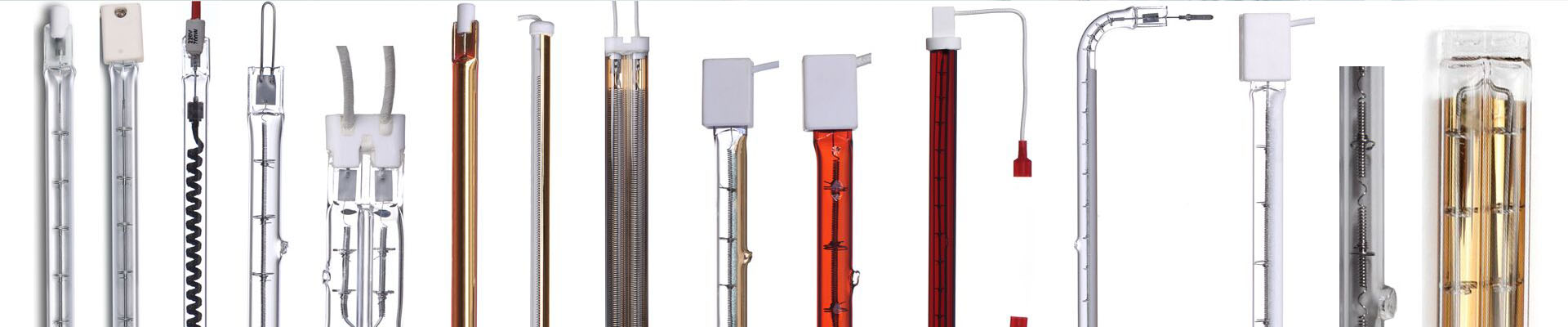
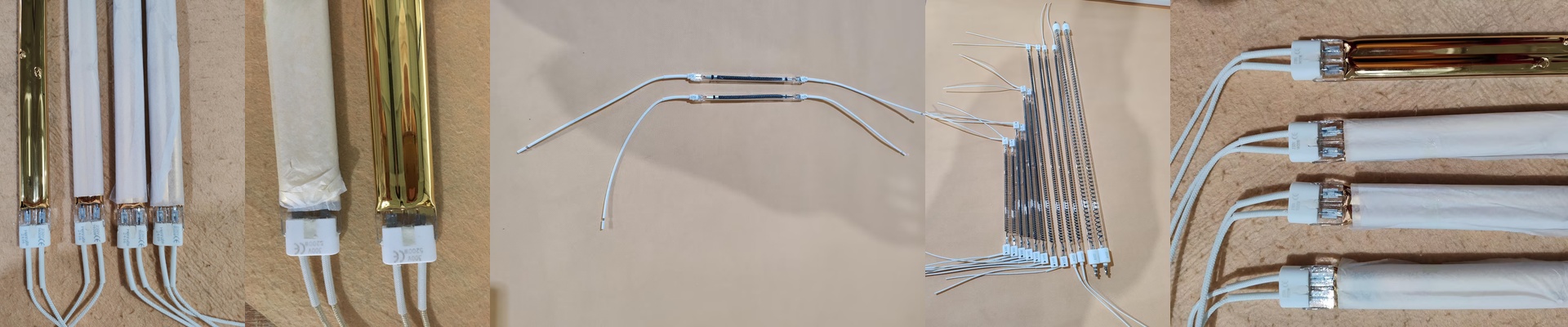
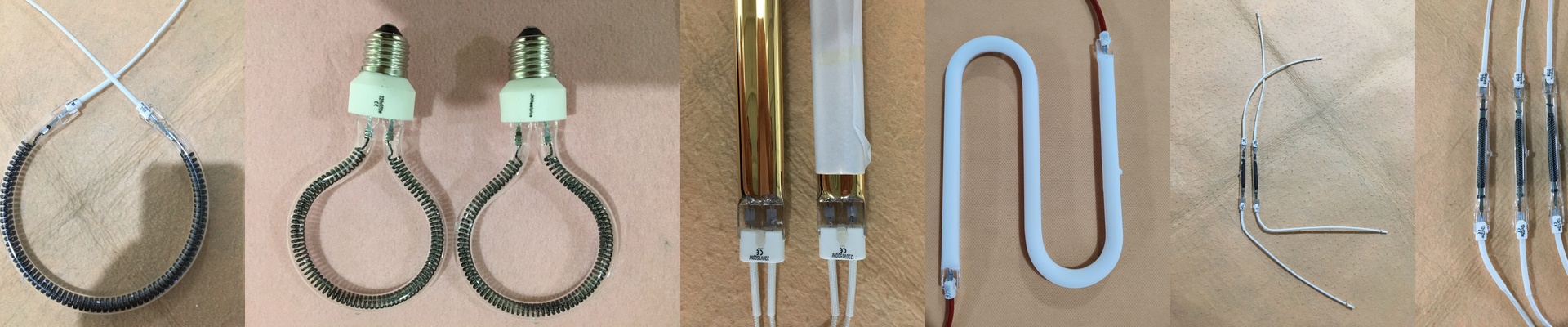
We stick with quartz glass because it protects the carbon and lets the infrared light pass through without getting in the way. Depending on what you’re heating, we can add a specialized coating. This shifts the spectrum so the heat actually sinks deeper into things like thick plastics instead of just bouncing off the surface. As for the plugs, we usually use R7s or SK15 connectors. They’re simple, standard, and fit right into most industrial housings. Plus, they snap in tight, so you don’t have to worry about electrical arcing when things get scorching hot.
Making It Work in Your Setup
The immediate response is the best part. If you’re running PET blowing or a curing line where every second counts, these are a lifesaver. But there’s a trade-off. All that intense heat has to go somewhere. You can’t just slap these in and forget about them. Make sure your chassis and cooling fans are up to the task. If the housing can’t breathe, you’ll end up warping your mounts or frying your sensors. And one last tip: use high-temperature cabling. Nothing ruins a workday faster than the smell of melting insulation near the emitter ends.