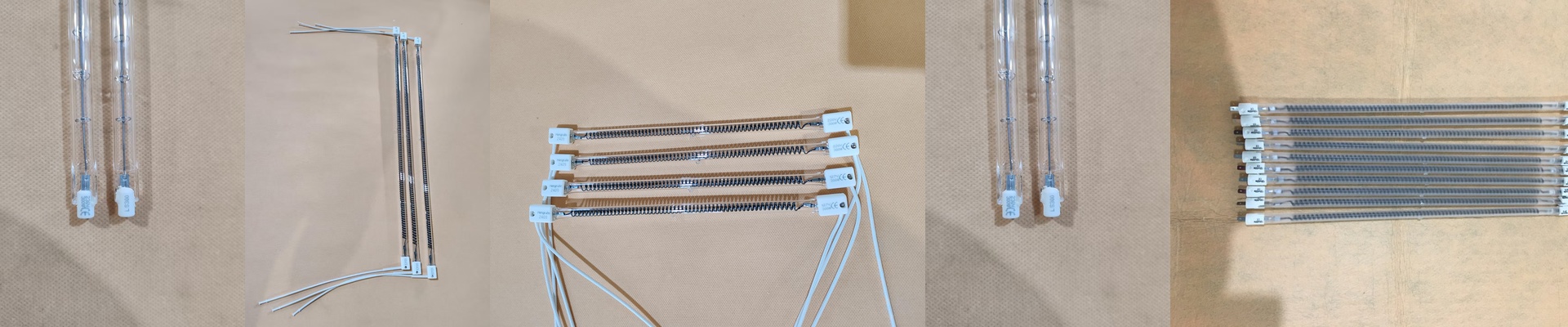
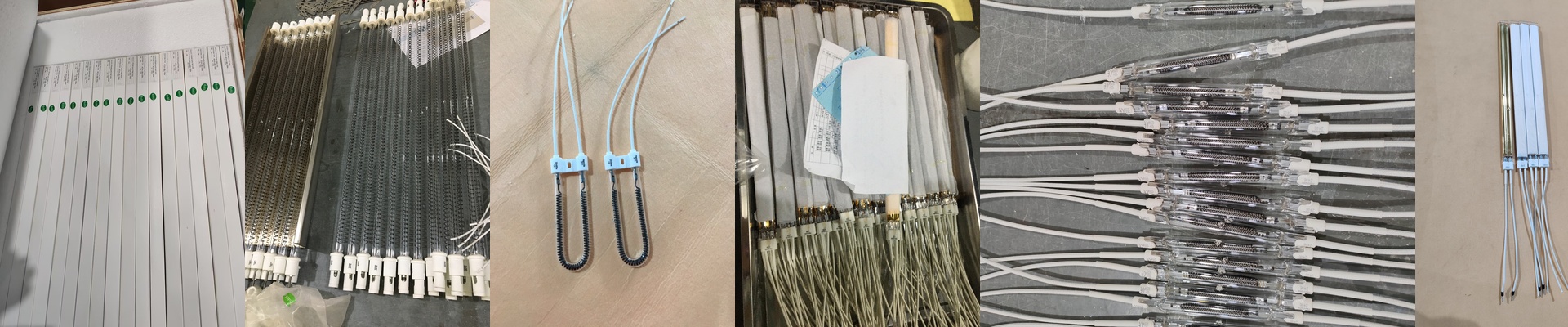
Let’s Talk About Carbon Fiber Heating Filaments
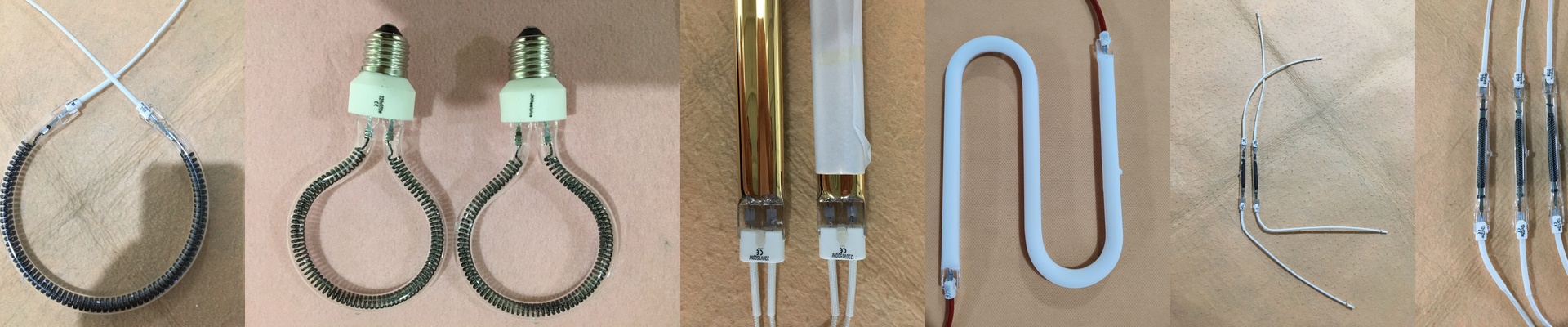
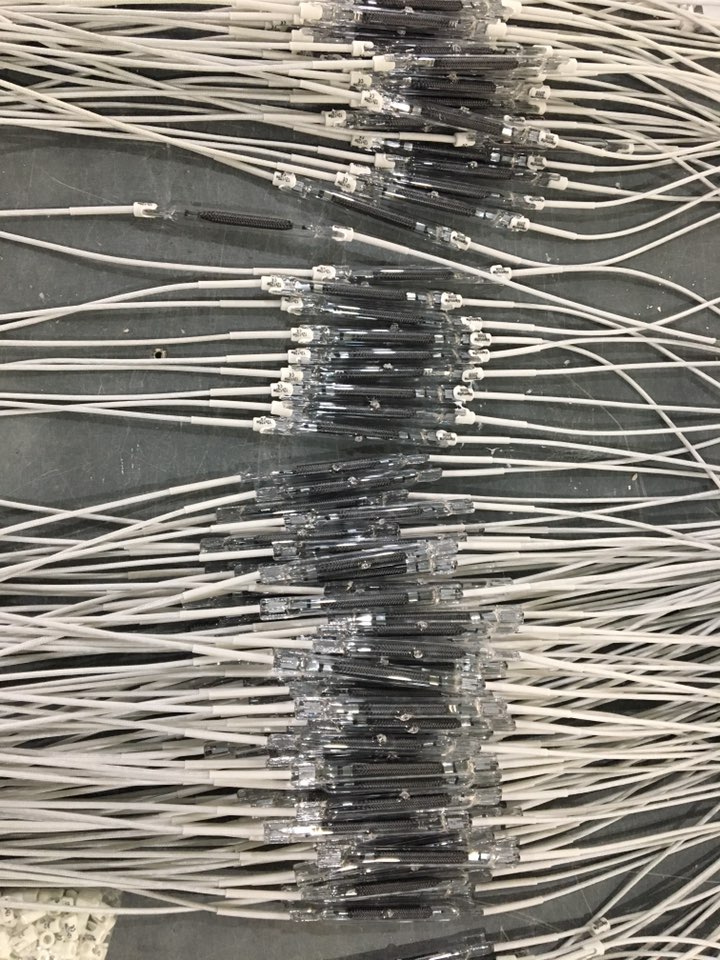
If you’ve ever dealt with traditional tungsten coils, you know how finicky they can be. One wrong move and they’re gone. That’s why we went with carbon fiber. It gives you that instant heat and great emissivity, but without the “handle with extreme care” fragility. We basically tuck carbon fibers inside a quartz envelope. It uses resistive heating, sure, but the real magic is in the spectral output—it’s much broader than what you’re used to.
Getting the Heat Right
Here is the thing: carbon fiber doesn’t resist electricity the way tungsten does. Because of that, we can pump way more current through the filament. The result?It gets hot. Fast. If you’re doing PET blowing or shrink-wrapping, you don’t have time to wait around. You need your material to hit that glass transition temperature in a heartbeat. We build these to handle high wattage in short bursts, but a word of caution: your power supply has to be up to the task. If your voltage is jumping all over the place, you’ll likely fry the ends of the filament where the current hits the hardest.
Built to Last (Mostly)
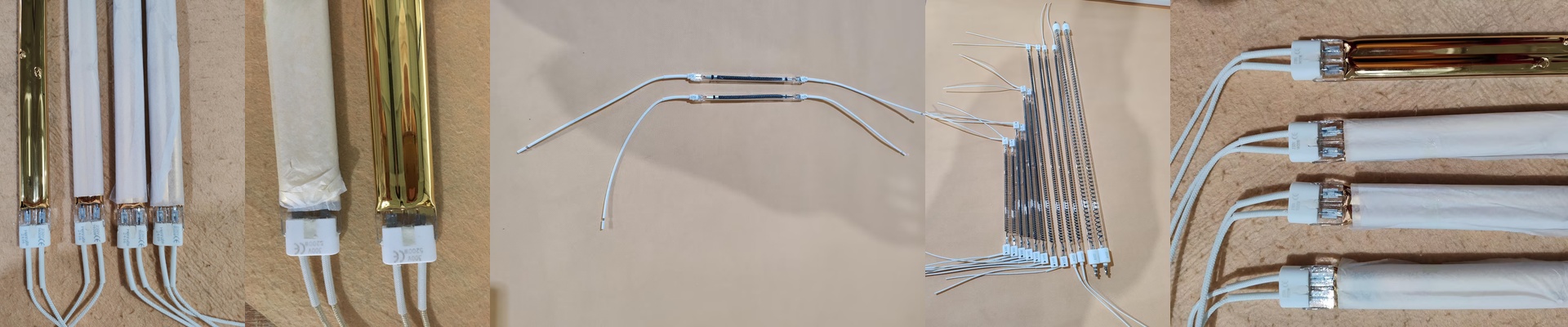
We wrap everything in quartz glass because it doesn’t freak out when the temperature swings wildly. One of the best parts? Carbon fiber doesn’t sag. When metal coils get white-hot, they start to droop, which messes up your heat patterns. Carbon stays put. That means your heat stays even across the whole tube. Just make sure your electrical connections are tight. If the end-cap is loose, you’ll get a hot spot. That’ll melt your seal and kill the lamp before it even gets a chance to work.
The Trade-offs
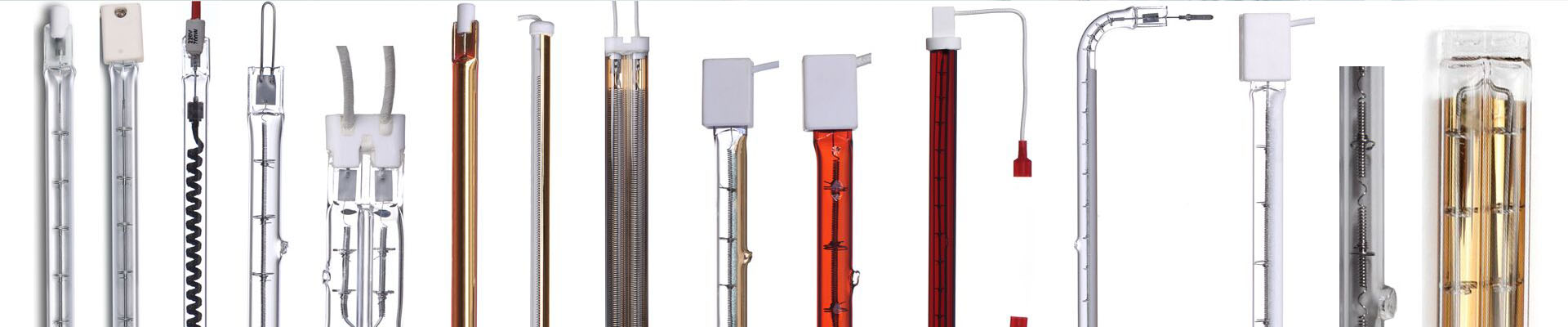
You can usually swap these right into your existing IR heater banks in place of halogen tubes. They put out more long-wave infrared, which is great because it actually sinks deeper into certain plastics. But it’s not all sunshine. There is a catch. Carbon filaments can wear out faster than tungsten if you’re pushing them to the absolute limit 24/7. It’s a balancing act. You’ve got to look at your wattage and your duty cycle to make sure you aren’t burning through your hardware faster than you can replace it.