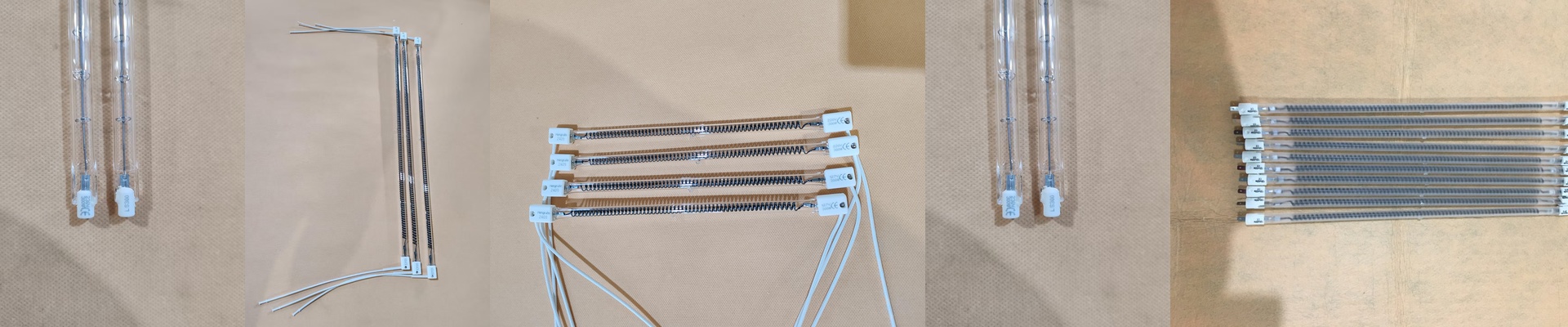
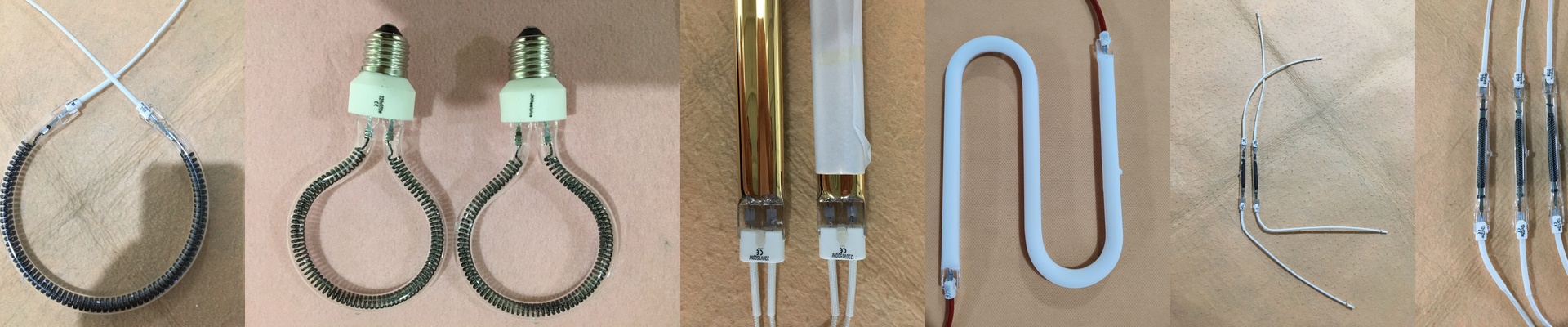
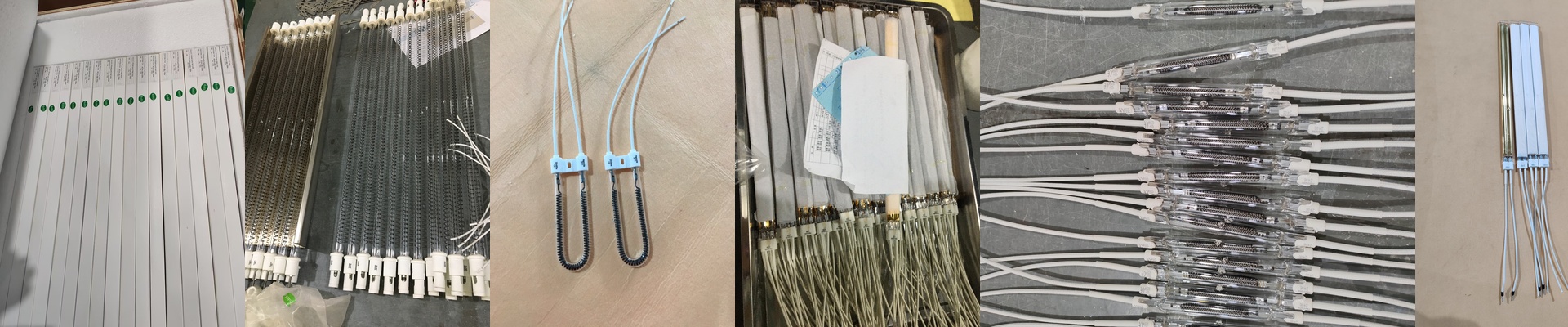
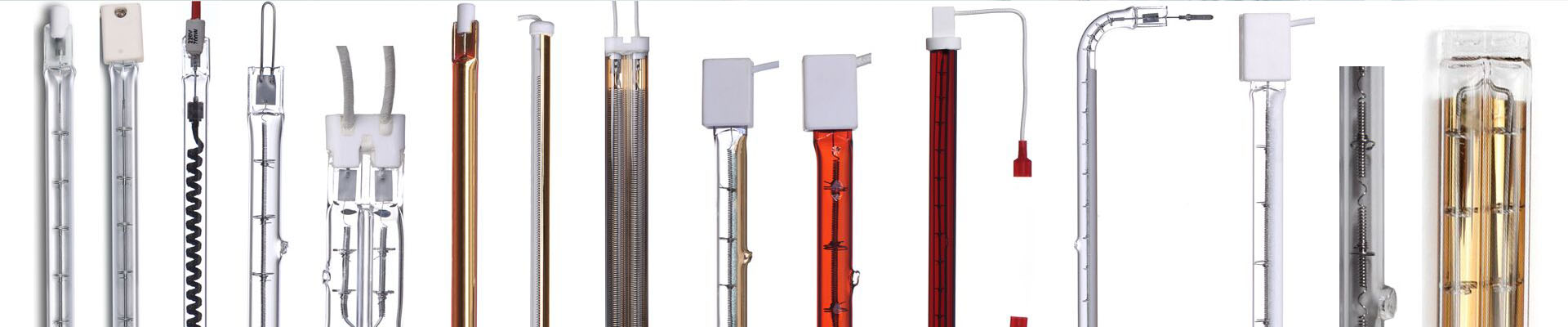
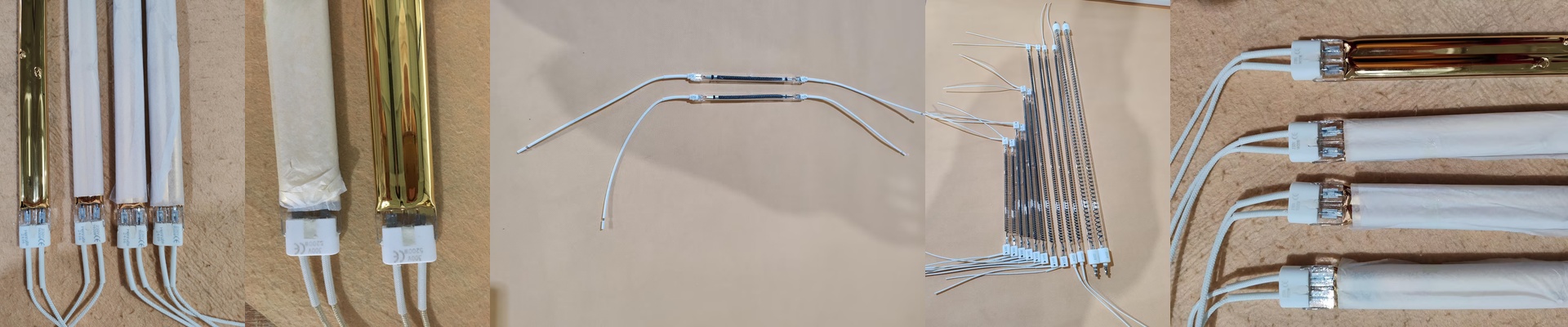
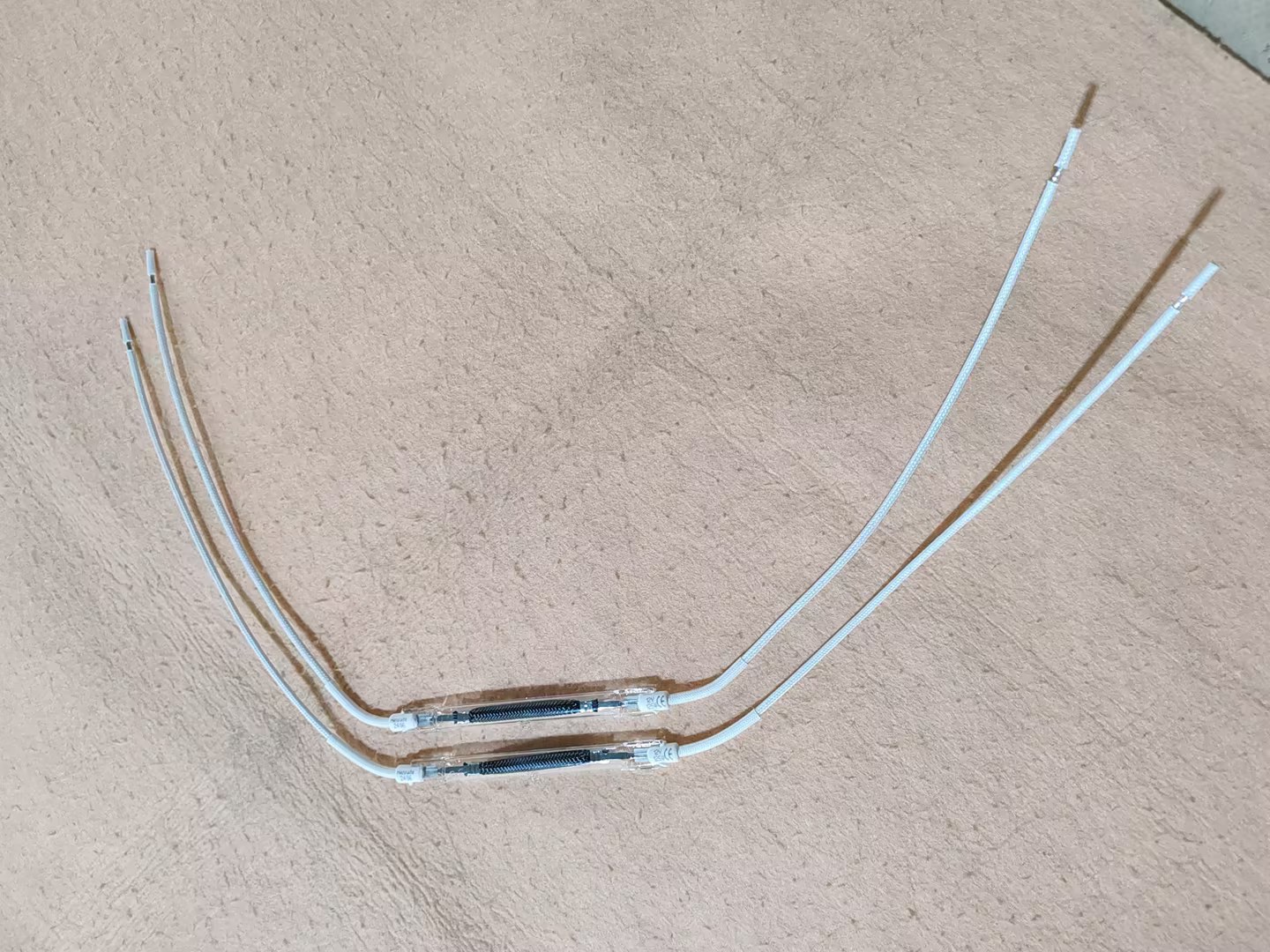
Let’s talk about the Twin Carbon Fiber Heat Tube
If you’ve ever dealt with traditional metallic heating elements, you know the frustration of that annoying lag. You turn them on, and then you… wait. We built our twin carbon fiber tubes to kill that waiting game. By putting two independent carbon filament elements inside one quartz envelope, we’ve created something that hits its stride almost instantly. It’s fast. Really fast. And that changes everything when you’re trying to keep a production line moving. The science bit (without the boredom) Here is why carbon fiber actually works better here: it doesn’t freak out when the temperature spikes. Unlike tungsten, which tends to sag or snap when you push it hard, carbon fiber stays put. Plus, the heat it puts out is different. It’s a broad-spectrum infrared radiation. Instead of just scorching the surface of your material, it actually sinks in deep. Now, a quick heads-up on the power. These things can handle a ton of wattage in a tiny space, which is great for raw heat. But make sure your wiring and power supply are up to the task. You don’t want to fry your terminals because you pushed too much current through a thin wire. How it’s put together We wrap the filaments in high-purity quartz glass. We use quartz because it handles thermal shock like a champ and lets those infrared waves pass right through without blocking them. The “twin” setup is the secret sauce. Because you have double the surface area emitting heat, you can hit your target temperature without the tube itself getting dangerously hot. This means you get the heat you need without accidentally scorching your workpiece. Swapping these into your rig is pretty easy. We use industrial pins and sockets, so it’s mostly a drop-in process. Just one thing: double-check your clearance. These are wider than your standard single-filament lamps, so make sure you’ve got the room. Real-world use and a few warnings These are perfect for PET blowing, shrink wrapping, or any curing line where you need to go from zero to hot in seconds. But they aren’t indestructible. Carbon fiber is a bit more sensitive to vibration than those chunky ceramic heaters. If your machine shakes a lot, don’t just bolt them in. Use some isolating brackets to keep the filaments from snapping. And please, give them some air. Proper ventilation is a must, or you’ll overheat the quartz envelope, and nobody wants that.