Getting the Most Out of Carbon Fiber IR Tubes
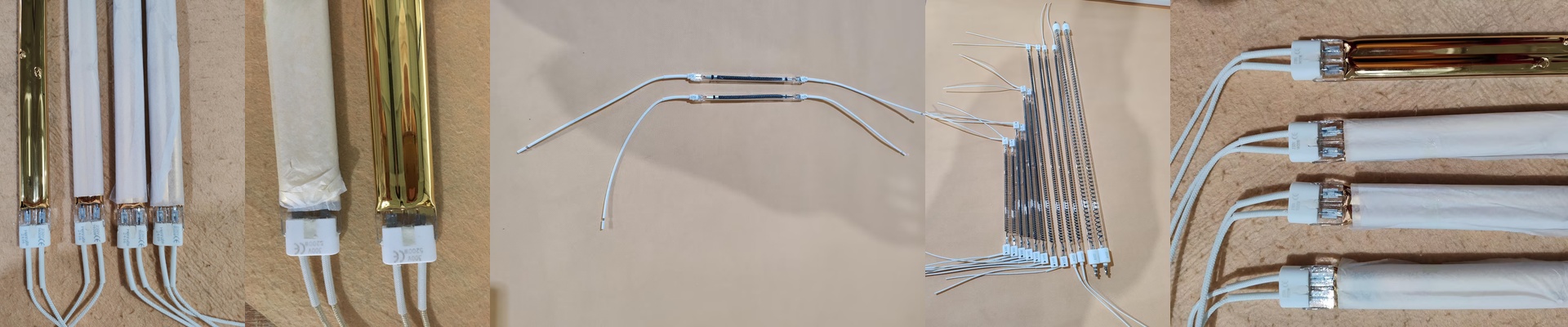
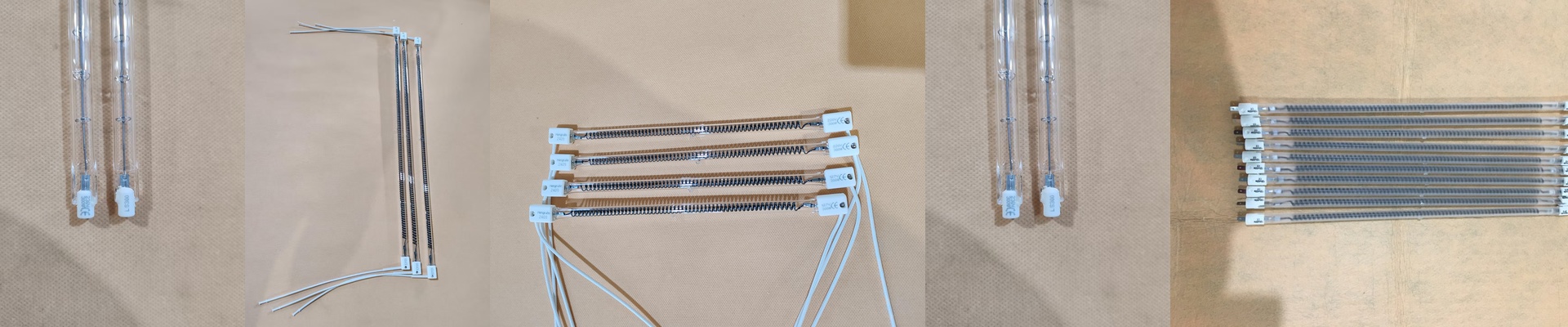
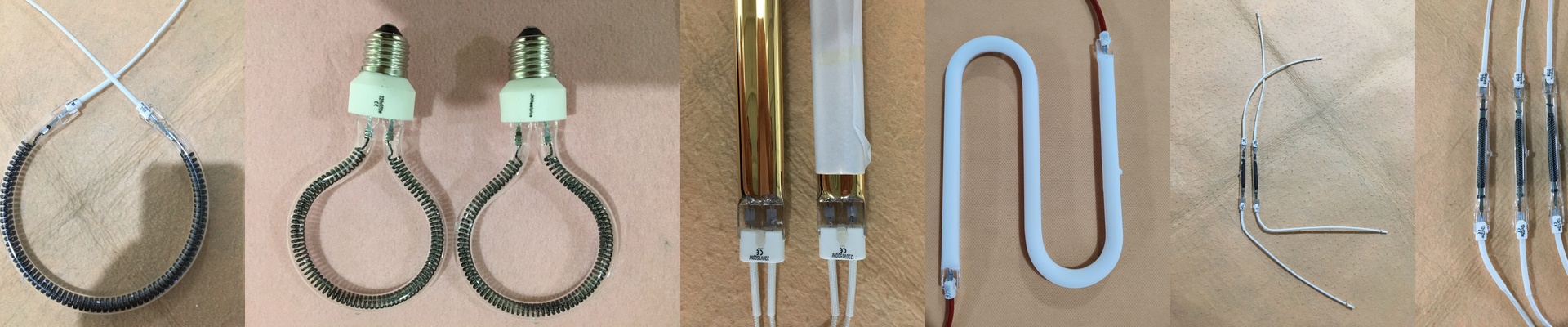
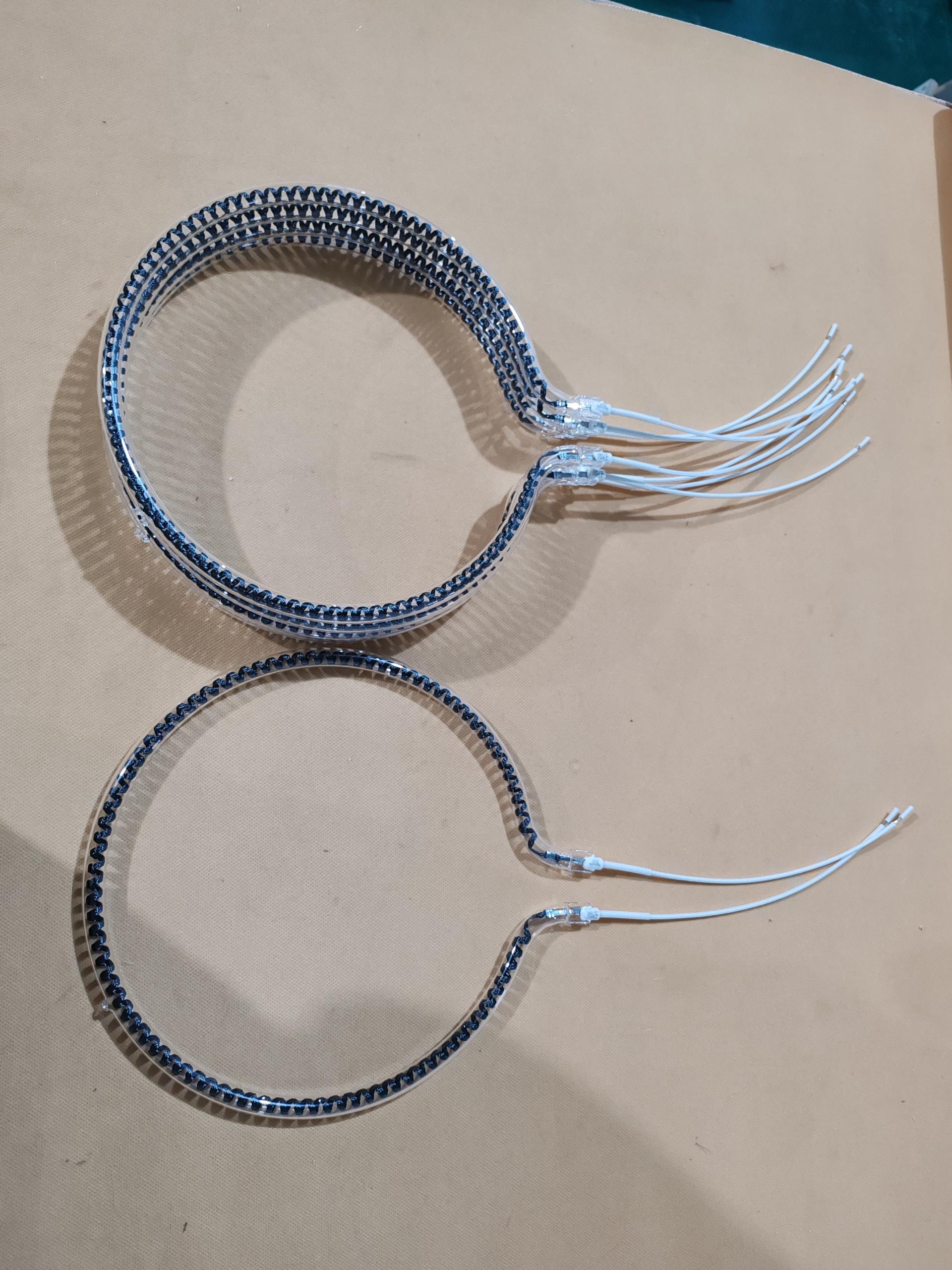
Carbon fiber infrared tubes aren’t your typical metal filament lamps. Instead of just heating the air around them, we use a carbon fiber element tucked inside a quartz glass shell. The result? High-intensity heat that actually sinks into your materials rather than just skimming the surface. It’s a different kind of power.
Talking power and Specs
When you’re picking out a tube, keep a close eye on your voltage and wattage. That’s what controls your heat flux. If you need things to heat up fast, you’ll want high-wattage tubes that pack a lot of energy into a small space. But here’s the thing: high-density tubes can be aggressive. Make sure your power supply can handle that first surge. And a quick tip from the field—watch your chassis. I’ve seen too many engineers forget about the thermal load on the surrounding frame. If your airflow isn’t dialed in, those high-output tubes can melt your nearby wiring before you even realize there’s a problem.
The Build: Carbon, Quartz, and a Warning
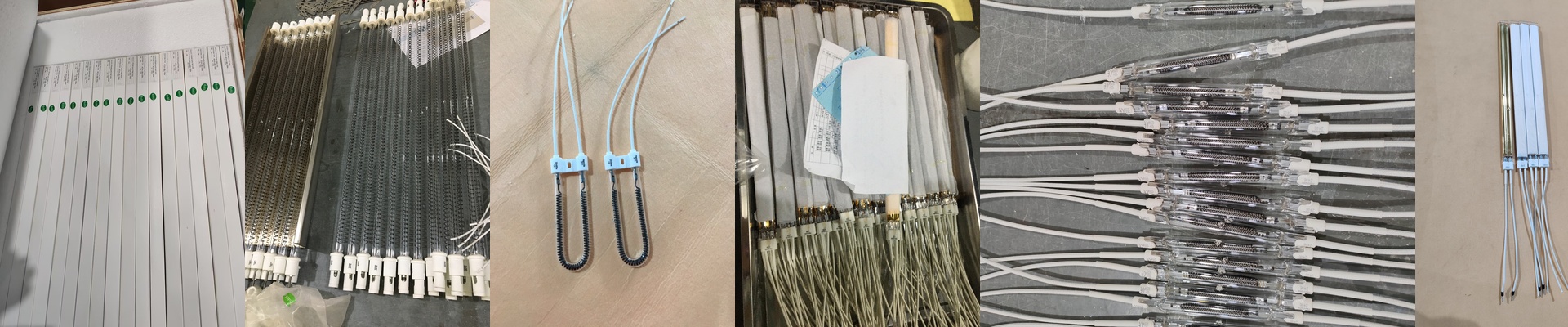
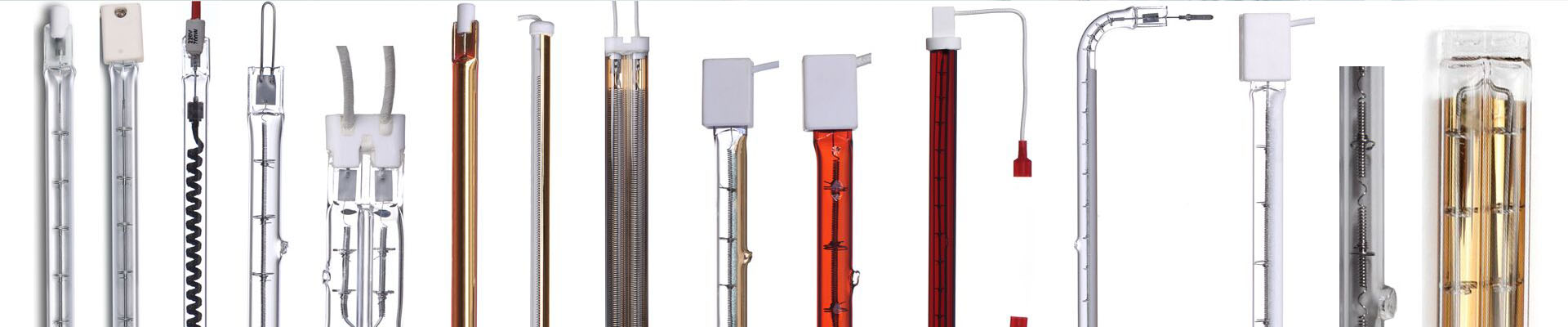
The carbon fiber core is where the magic happens. It handles heat way better than nichrome wire and doesn’t oxidize. We seal it all in high-purity quartz to keep the vacuum or gas fill exactly where it needs to be. For the plugs, we stick to the basics like R7s or SK15. It makes life easier because you can just pop a new tube in without having to rewire your entire heating bank. **One big warning, though.**That quartz envelope is incredibly fragile. Do not touch it with your bare hands during installation. The oils from your skin create tiny hotspots, and that’s a fast track to a cracked tube.
Real-World Use and the Trade-offs
If you’re doing PET blowing or curing plastics, these are your best bet. They hit your target temperature in seconds. It’s incredibly efficient. But nothing is perfect. The trade-off here is that the carbon element is a bit delicate. It’s faster than a ceramic heater, sure, but it hates being shaken. If your machinery vibrates a lot, you’ll need to isolate those tube mounts. Otherwise, you’re just asking for trouble. Just remember that proper alignment is the only way to get that heat spread evenly across your workpiece.