Why Carbon Fiber Tubes Are the New Standard in Paint Booths
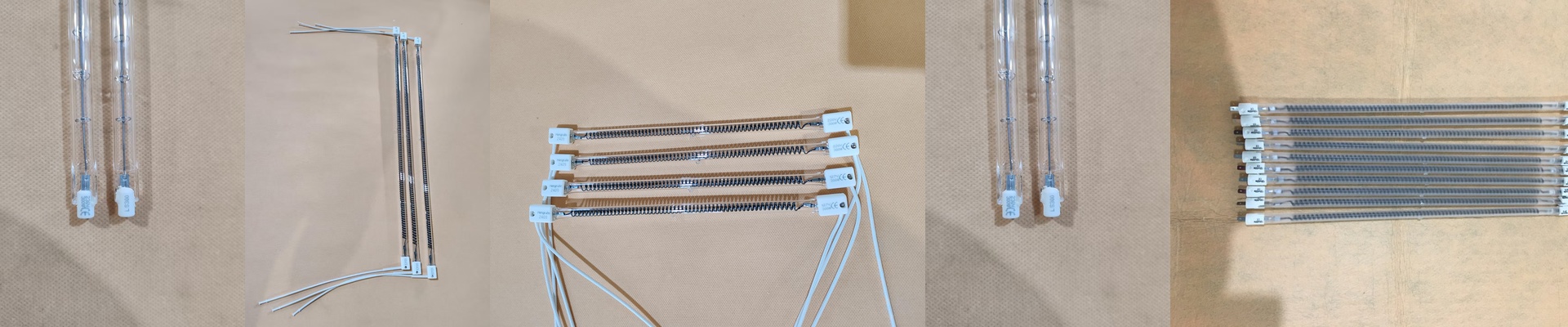
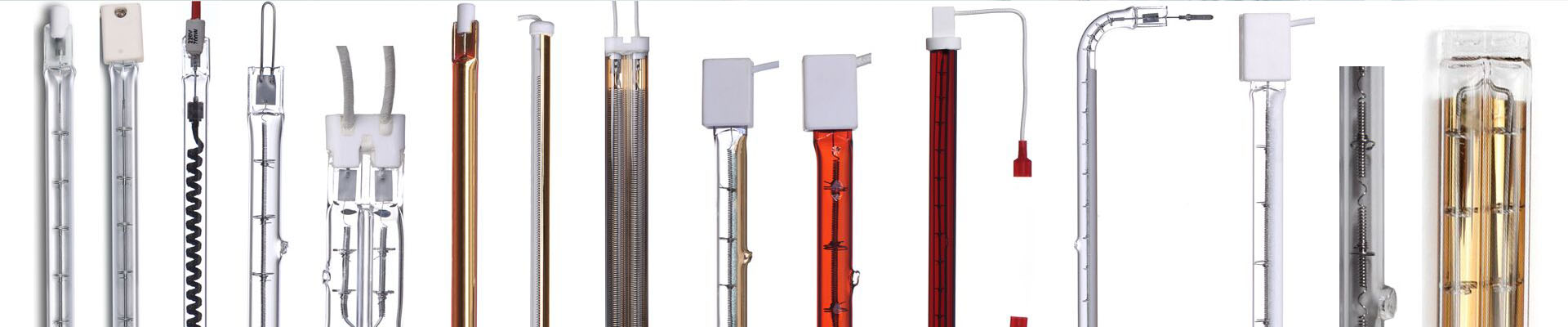
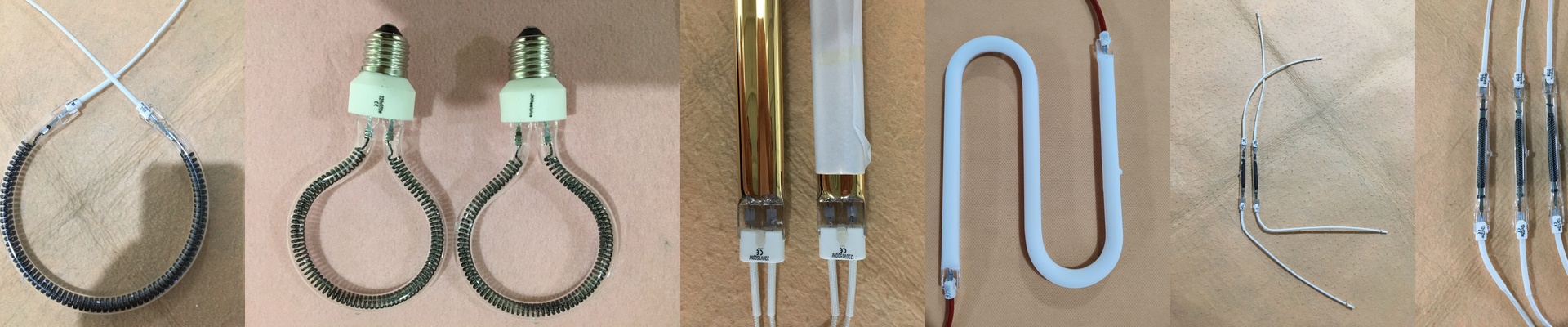
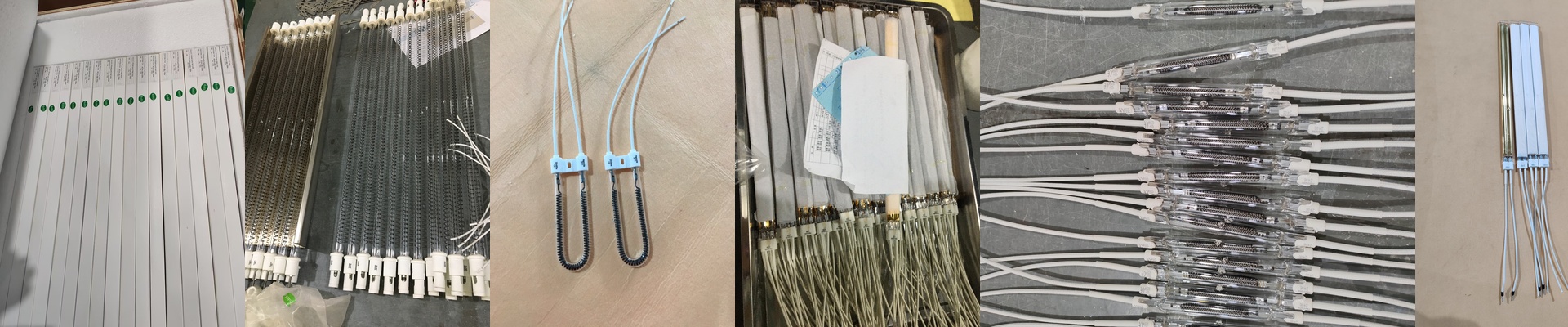
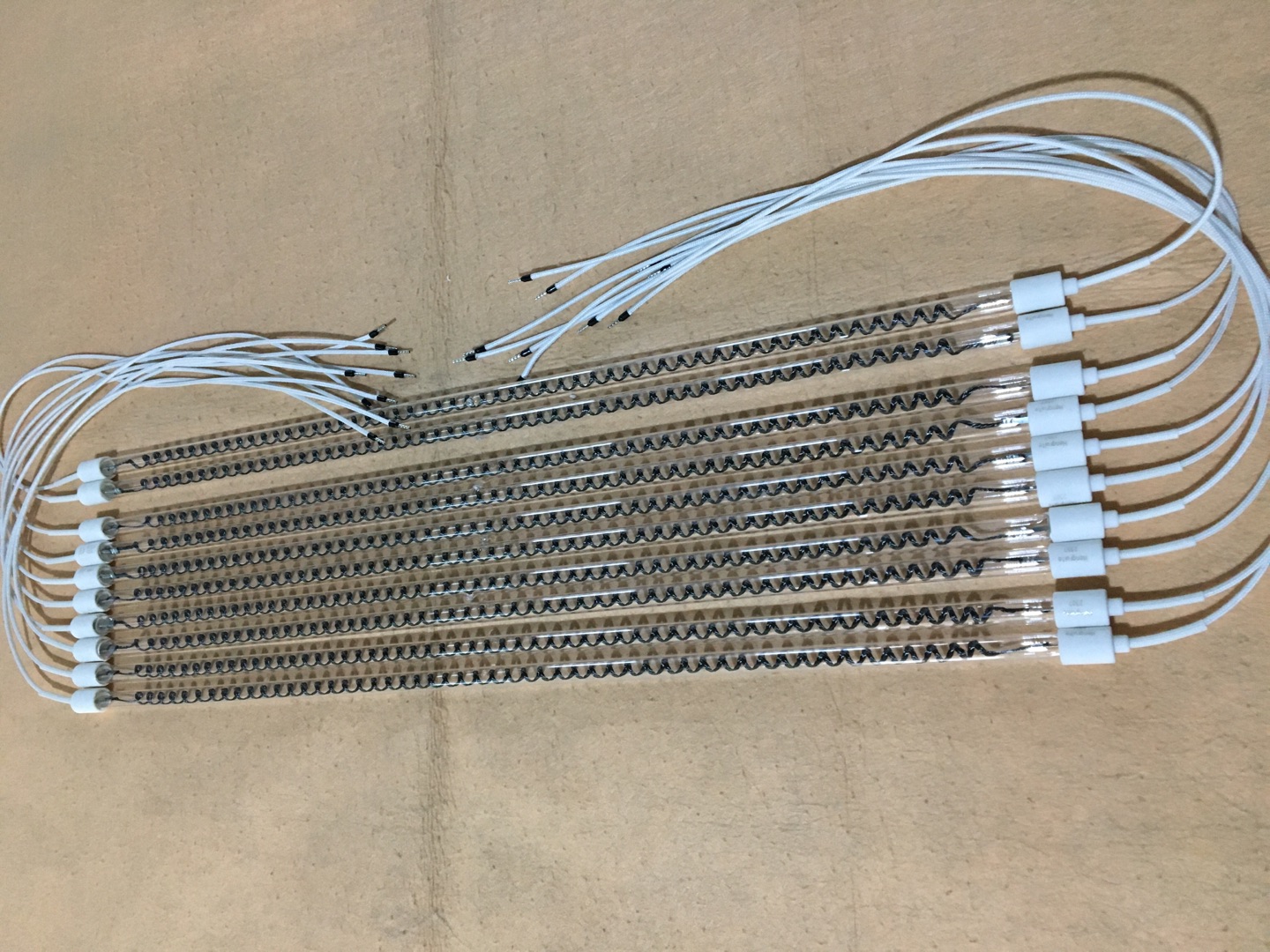
We built these carbon fiber infrared tubes for one simple reason: they deliver the kind of heat intensity that cures modern automotive paint in seconds. Forget the old resistance heaters. These tubes use a halogen-filled quartz envelope to blast shortwave infrared right onto the surface you’re painting. It heats the paint itself—not the air around it. The science behind it is pretty straightforward. The carbon fiber filament heats up almost instantly, pumping out intense infrared with a focused spectrum. For car painting lines, that translates to faster line speeds and fewer rejects caused by dust settling during those long, low-temperature drying cycles.
Power, Voltage, and Geometry—Made Simple
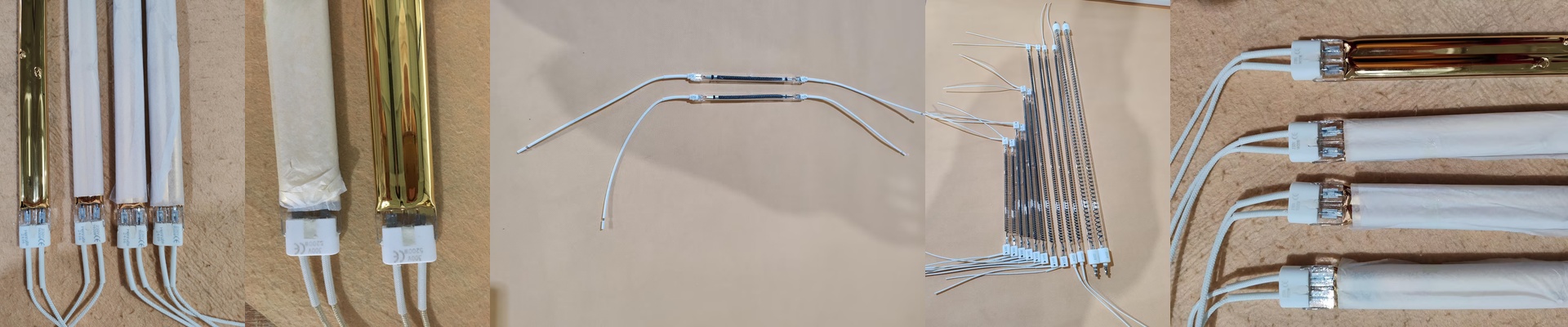
These tubes are all about the balance between wattage, voltage, and length. A typical unit runs at 400V and 2500W, packed into a tube around 300mm long. That combo gives you serious heat in a small space—perfect for curing a curved car panel as it moves down the conveyor. The 400V choice isn’t random. It lowers the current draw compared to lower voltage options, which can make wiring simpler and cut down on energy loss. But here’s the catch: your control gear and the whole circuit have to be rated for that voltage. If you’re spec’ing a 400V tube, your panel and contactor need to match. And the length? It’s intentional. A 300mm tube focuses the energy into a tight zone, so you’re matching the time the part spends in front of the heater. If the part geometry changes, you just swap the tube length—no need to overhaul the whole oven.
The Materials That Make It Last
Inside the quartz envelope, the halogen cycle keeps the filament stable for thousands of hours. That means it can handle the constant start-and-stop cycles of a production line without burning out. The quartz itself holds up under extreme heat and stays clear, so the infrared energy gets through cleanly and efficiently. We use R7s connectors because they snap in securely and stay put, even with all the vibration on a paint line. The connection is solid and repeatable, so swapping out a tube is a quick job—no rewiring needed.
What This Means for Car Painting Engineers
In automotive painting, the goal is simple: get the paint to cure temperature fast, then hold it just long enough. Carbon fiber infrared tubes do exactly that by heating the paint directly, not the booth air. That cuts down on the time parts spend in the curing zone, which frees up floor space and lowers energy use. Installation is straightforward. The compact design fits right into existing curing stations, and the R7s connection makes replacement a matter of minutes. But here’s the reality check: that high heat density needs proper cooling and airflow around the tube. If your enclosure runs hot, both the electronics and the tube itself will take a hit. Plan your airflow before you even think about wiring it up.
The Bottom Line on the Line
For automotive paint curing, these tubes bring speed and precision. They cut cure times and keep the line moving. They slip into tight spaces and work easily with retrofits. Just remember: with that kind of heat, you’ve got to keep things cool. Give the tube the airflow it needs, and it’ll keep doing its job—fast, clean, and dependable.