Let’s Talk Carbon Lamps
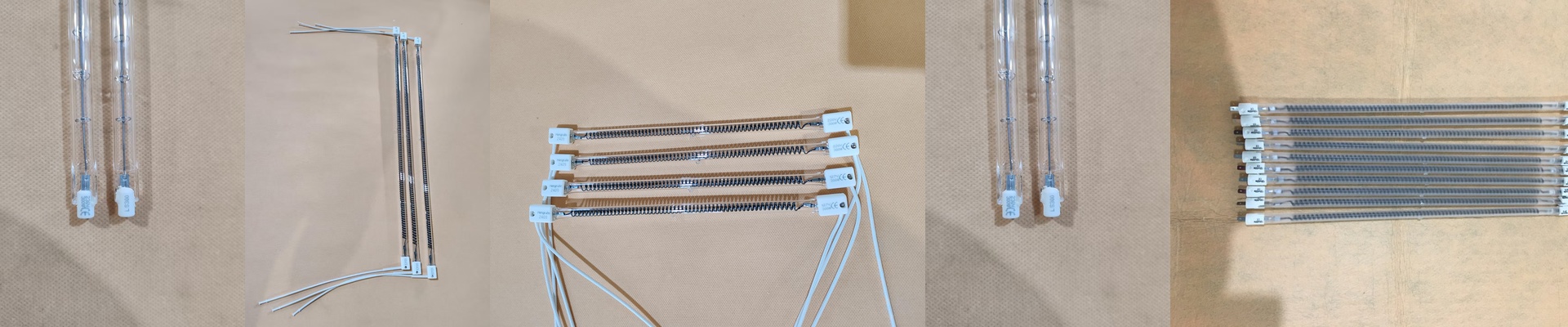
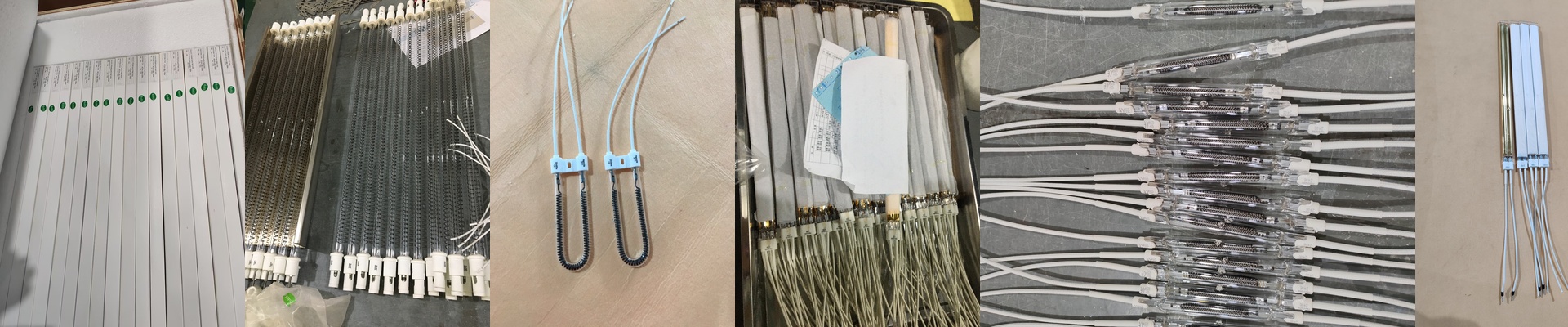
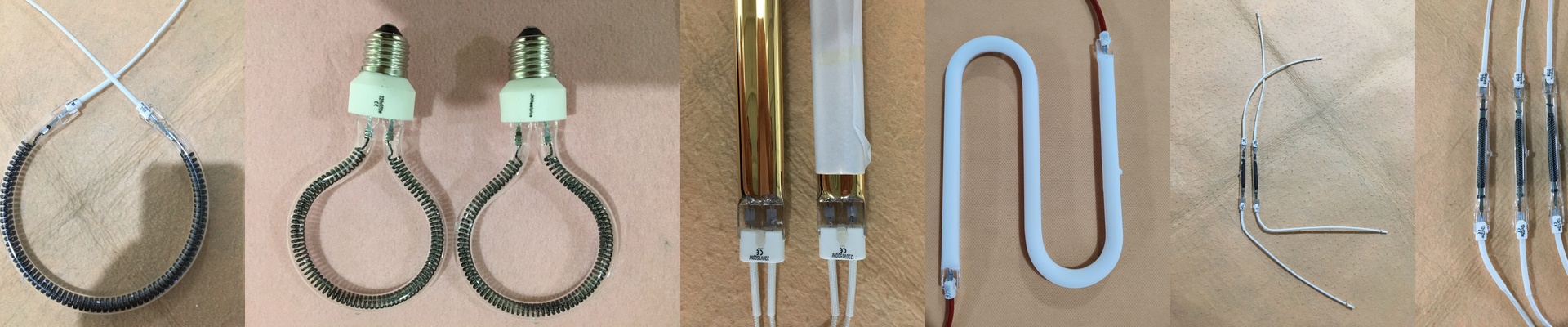
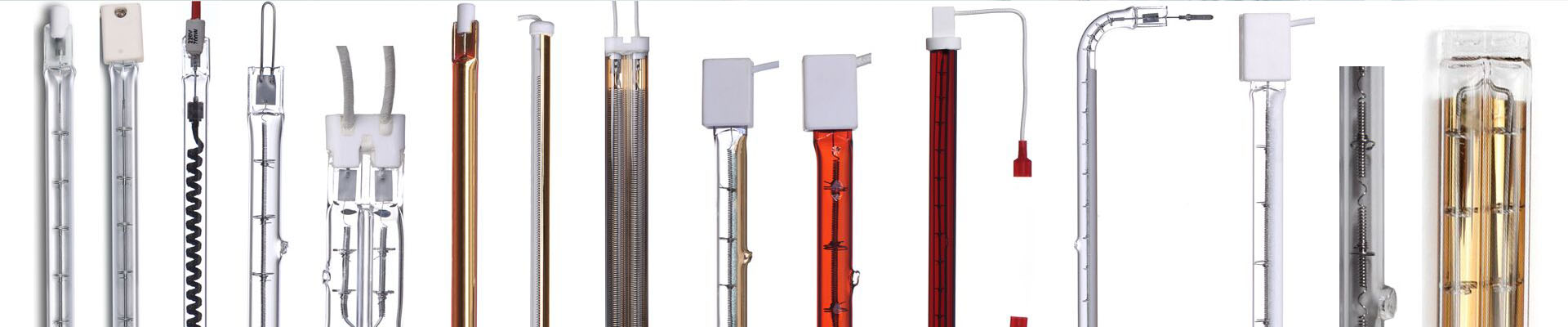
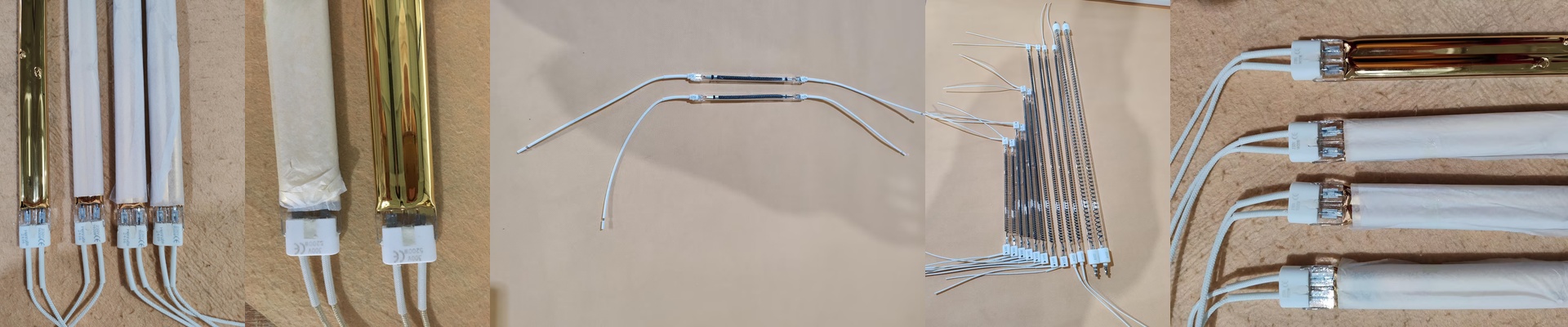
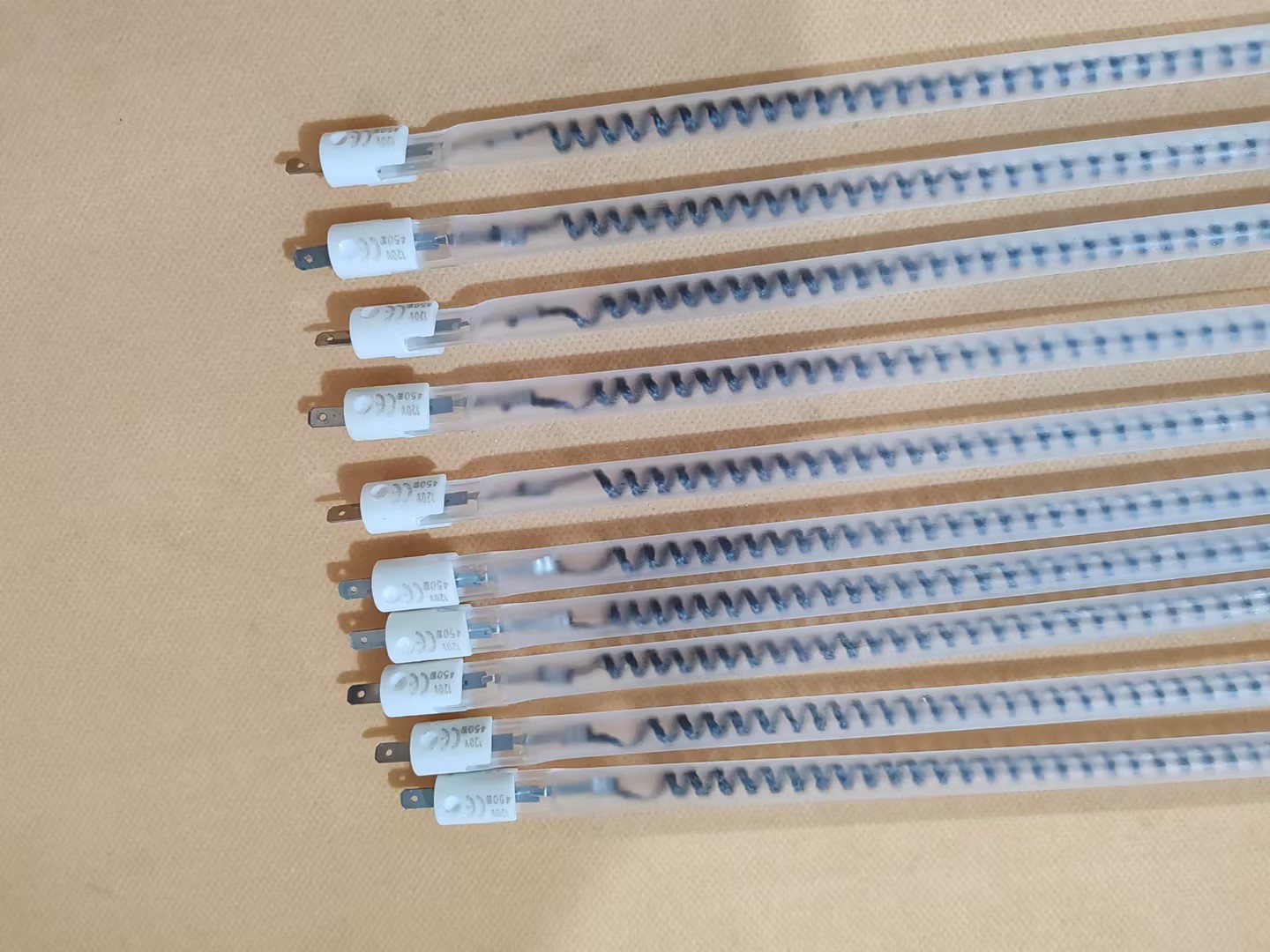
Here is the basic deal with carbon lamps: you’ve got a carbon filament tucked inside a quartz tube. When the current hits, it glows. But it’s not like those standard halogen bulbs you’re used to. Carbon lamps push out medium-to-long wave infrared radiation. In plain English? They don’t just sizzle the surface of your material; they soak right through it. If you need heat to penetrate deep into a part rather than just flashing the outside, this is your tool.
Getting the Power Right
We figure out the specs based on how much heat you need per millimeter. Keep in mind, if you jump to a higher wattage, you’re putting a lot more stress on that quartz envelope. And if you’re running high voltage, the heat gets really concentrated. It’s powerful, but you’ve got to be careful. If your wiring can’t handle the draw, your terminals will overheat, and you’ll end up with a burnt-out seal. Not a fun way to spend a Tuesday.
The Build
We use quartz glass because it can take the heat and lets the IR rays pass through without a fight. Depending on what you’re doing, we can add coatings to either focus that heat into a tight beam or spread it out. As for the plugs, we stick to the classics like R7s or Sk15. They just work. You can drop them right into most industrial ovens without a headache. They fit tight, too, which is huge because the last thing you want is a lamp rattling around and arcing while the machine is humming along.
The Real-World Stuff
You’ll see these doing the heavy lifting in PET blowing, drying lines, or curing ovens. The heat is steady and intense. It doesn’t have those aggressive spikes you get with short-wave quartz, which makes the process a lot more predictable. But, there’s a catch. These things arefragile. Seriously. One clumsy move during install or a hard bump to the housing and that filament is toast. You have to be precise. Make sure the lamp is seated firmly in the socket—if it’s loose, the glass takes on too much thermal stress, and that’s when things crack.