A Straight-Talker’s Guide to Carbon-Glass Infrared Lamps
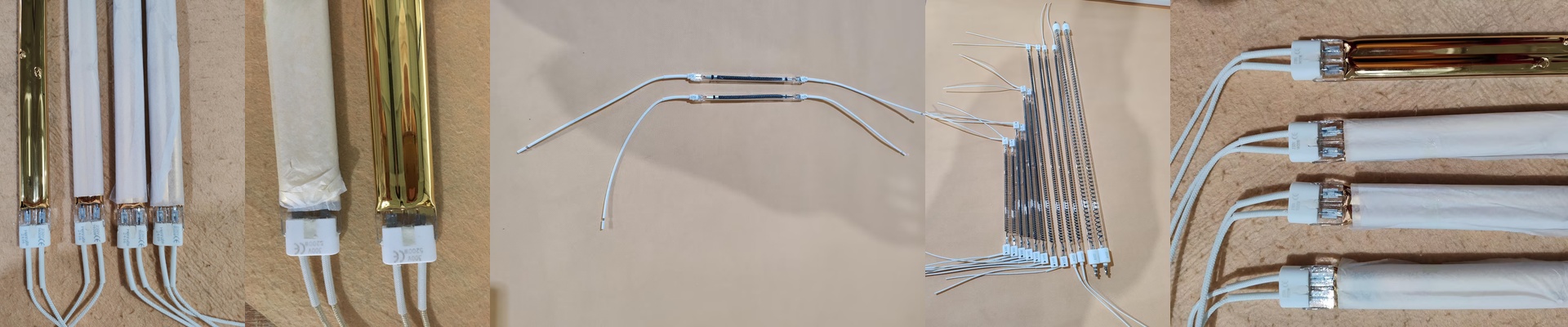
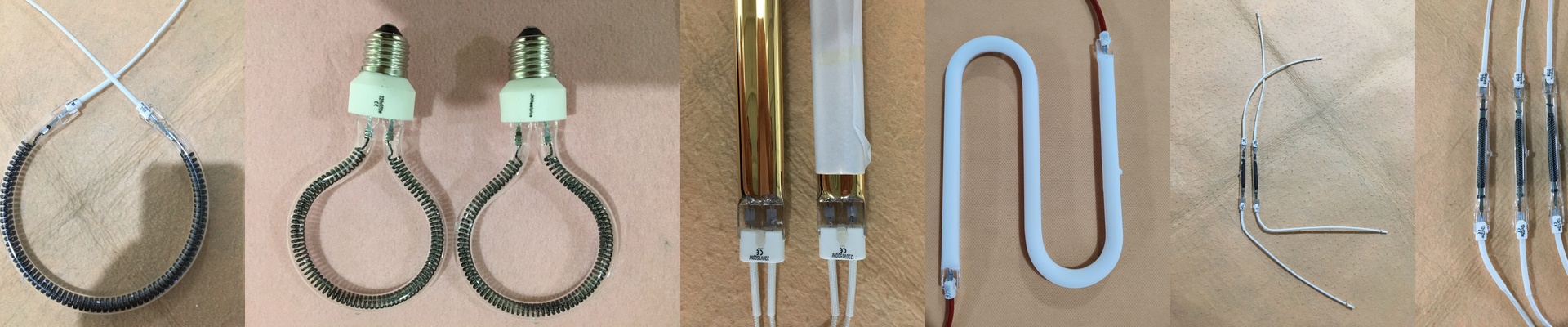
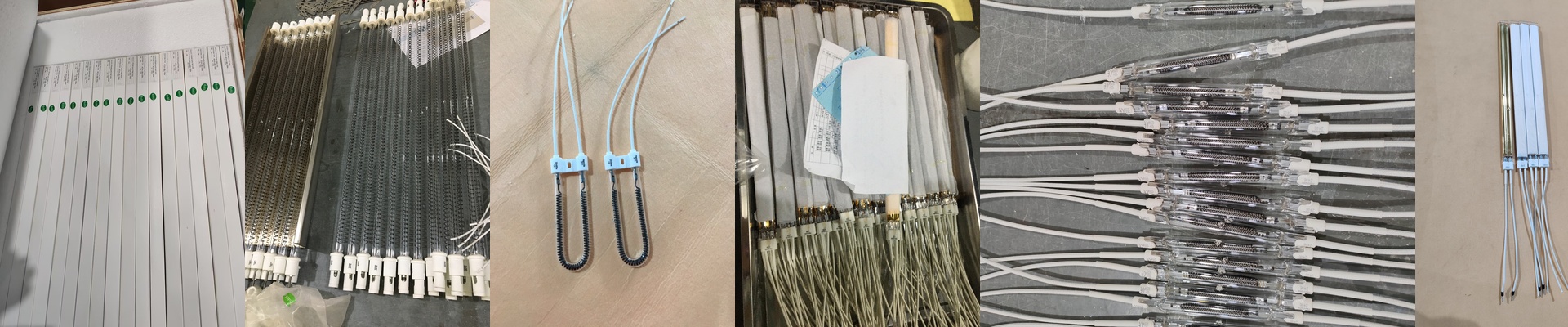
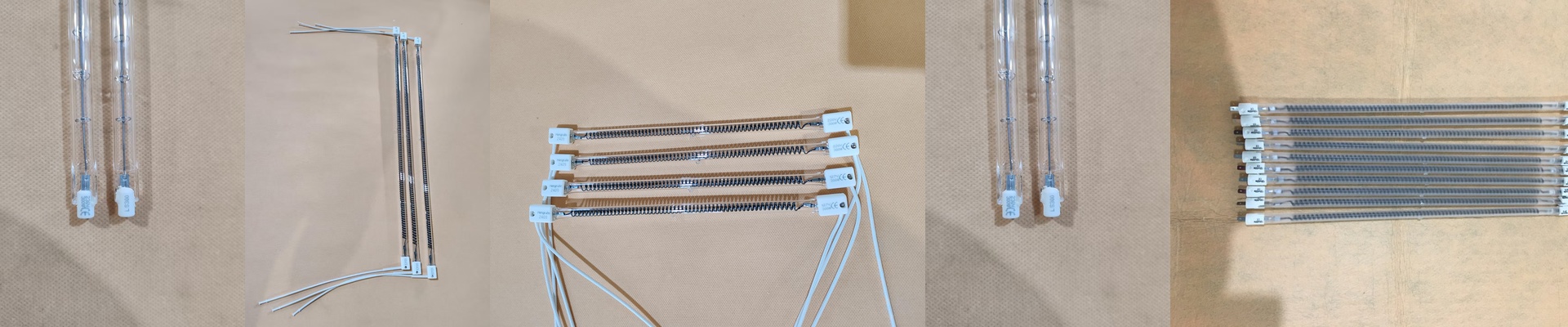
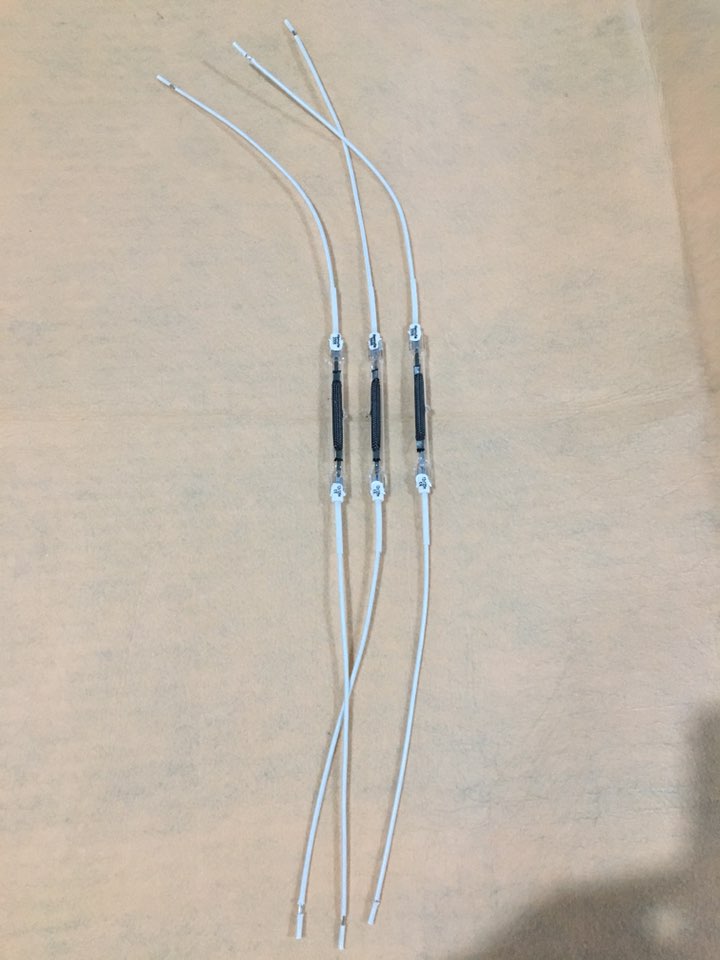
If you need heat that actually gets into your material rather than just scorching the surface, you want carbon-glass lamps. We build these with a carbon-filament core wrapped in high-purity quartz. It’s all about that medium-to-long wave radiation.
The Balance of Power
Here’s the thing about voltage and wattage: it’s a bit of a tug-of-war. If you go with a higher voltage tube, you can cram more power into a smaller space. That sounds great because your heat ramps up faster. But there’s a catch. More power means more stress on that carbon filament. If you aren’t keeping a close eye on your power controllers, you’re just asking for a burnout. It’s a tradeoff. You get speed, but you lose a bit of peace of mind.
What’s Under the Hood
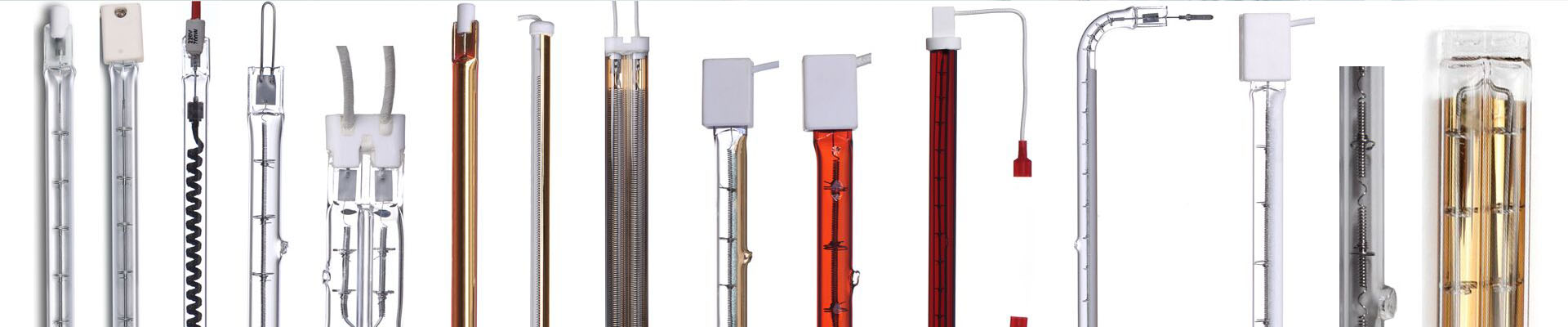
The quartz glass is the real hero here. It handles those wild temperature swings without cracking. Depending on what your shop looks like, we can add coatings to the glass. This helps shift the heat spectrum or keep nasty chemical vapors from ruining the tube. As for the plugs, we stick to R7s or SK15 connectors. Why? Because they just work. They slide right into most OEM heating banks without a fight. Plus, they fit tight. You don’t want your lamps rattling around and causing electrical arcs while the machine is humming along.
Putting Them to Work
You’ll see these doing the heavy lifting in PET blowing, plastic welding, and paint curing. Compared to those thin-wire halogen lamps, carbon filaments give you a much more even heat. No weird hot spots. A couple of pro tips for the install: **Keep your reflectors polished.**Seriously. A layer of dust or grime on your reflector is basically throwing energy away. And remember, these aren’t “instant-on” tools. If your process needs to switch heat on and off in a fraction of a second, these aren’t for you. But if you need a steady, deep soak that stays consistent? This is exactly what you need.