Let’s Talk Carbon Fiber Infrared Heaters
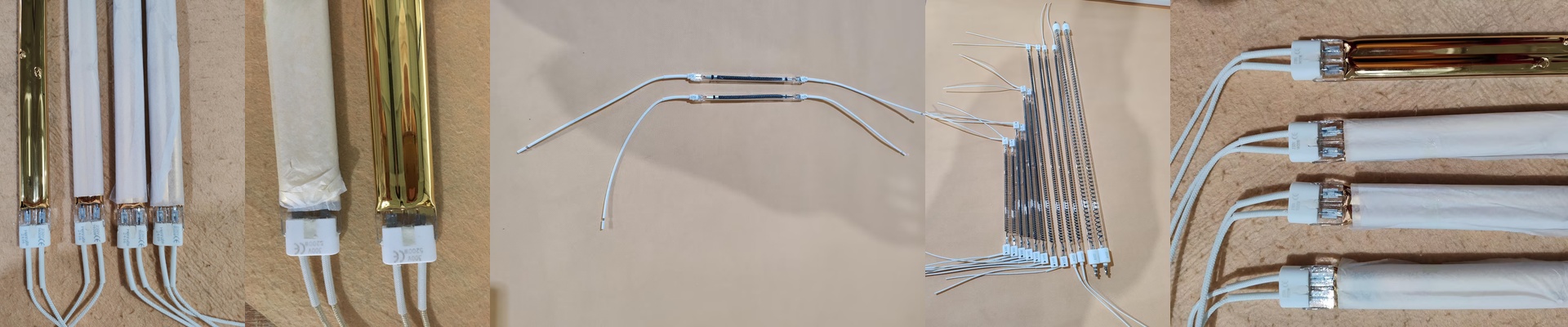
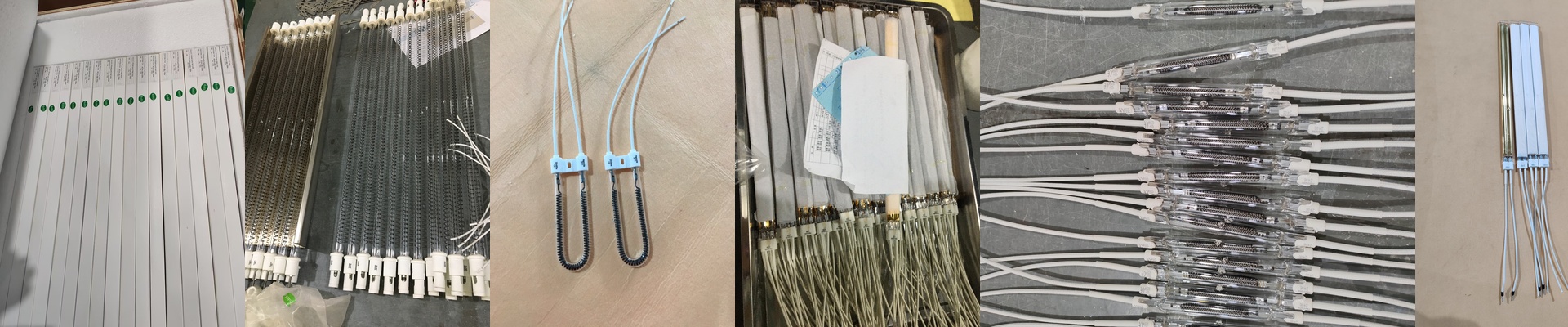
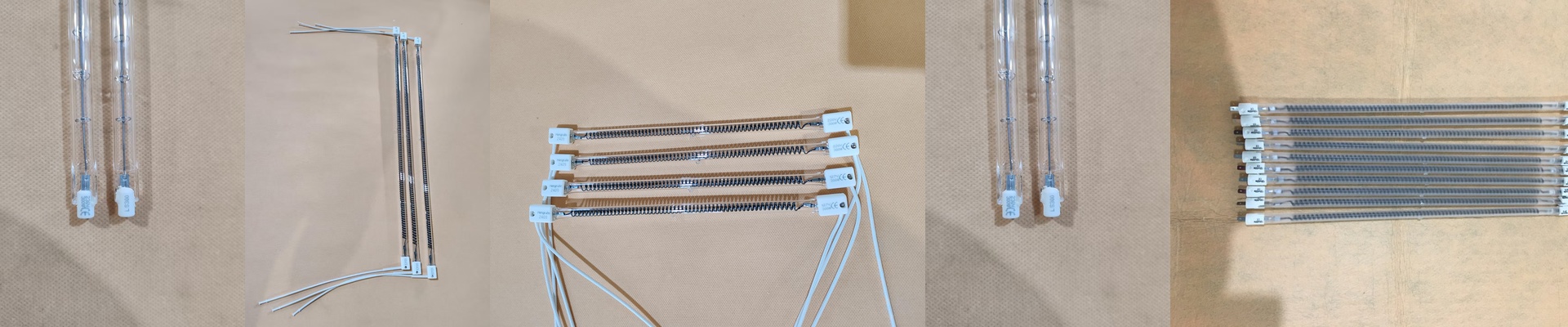
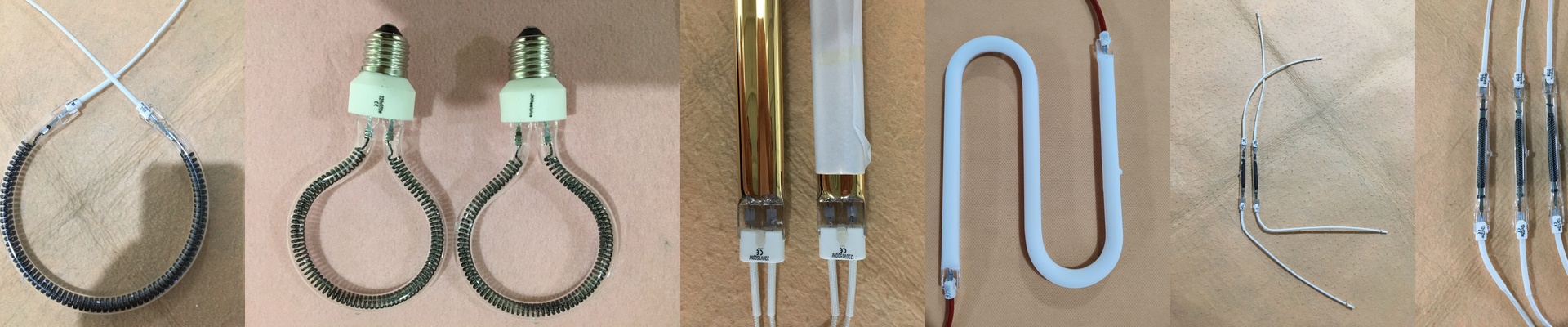
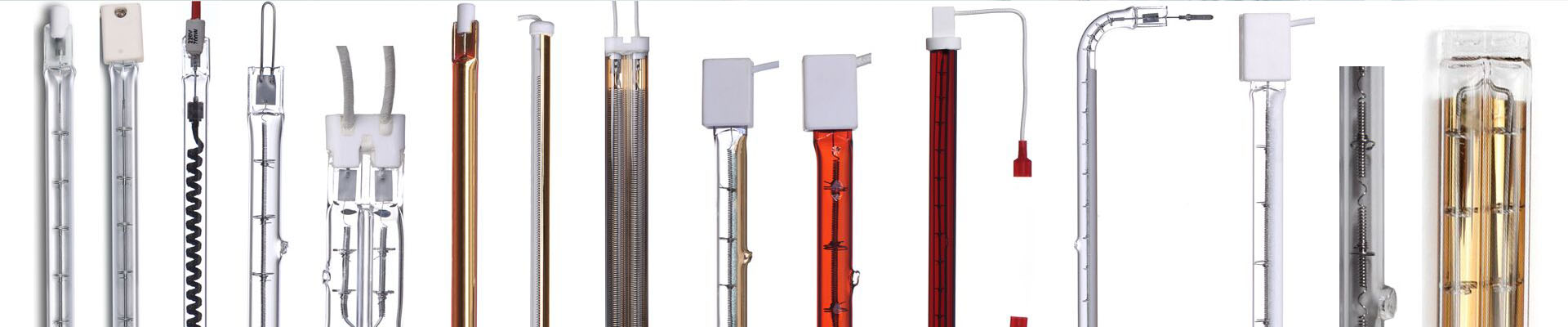
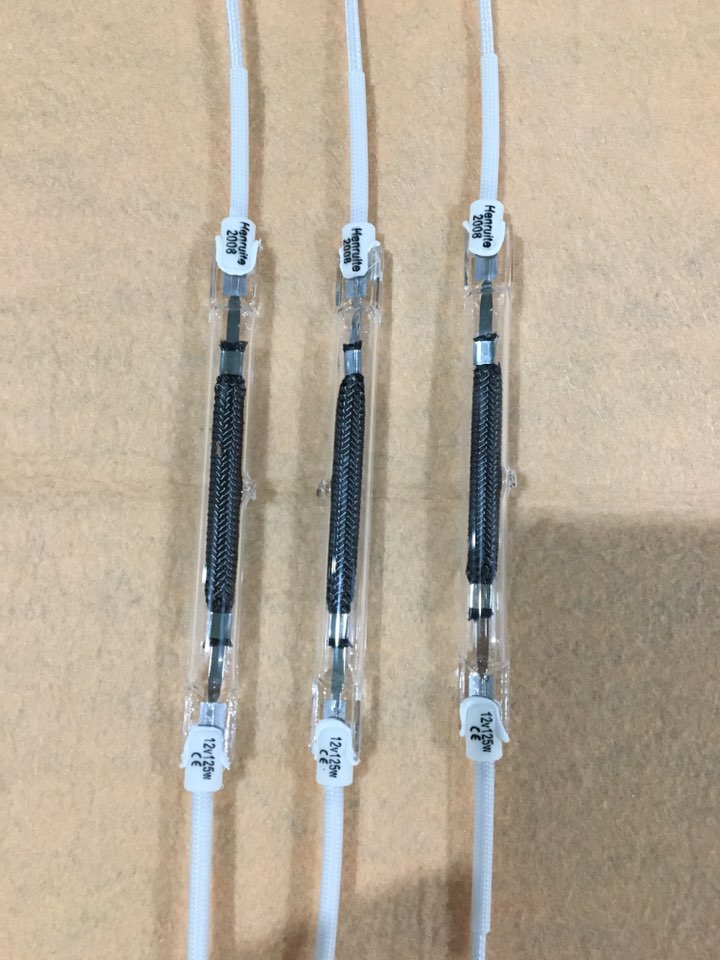
Here is the basic deal: we run an electrical current through a carbon fiber filament, and it pumps out intense infrared radiation. It’s a lot more rugged than the old metal alloys. Carbon fiber doesn’t warp when things get scorching hot, which is why we use it to get you to your target temperature way faster than those clunky quartz or ceramic heaters. The Secret Sauce: Power Density Inside the element, there’s a carbon fiber weave. Because of how it’s built, we can pack a ton of wattage into a tiny space. When you’re picking out an element, it’s all about that balance between voltage and heat density. If you go with a high-voltage setup, you don’t have to worry as much about current draw. That means you can run longer tubes without the voltage dropping off a cliff halfway down the line. And the heat? It’s mid-to-long wave. Instead of just warming up the surface of your material, the energy actually sinks deep inside. It’s a direct hit. No middleman. How We Actually Build Them We seal the carbon filament inside a high-purity quartz envelope. Why? Because if oxygen touches that carbon at these temperatures, it’ll burn out in a heartbeat. We also pay a lot of attention to the end-cap connectors. You want a tight fit. A loose connection is a nightmare—it creates a hot spot that can melt your wiring or crack the quartz tube. Not something you want to deal with on a Tuesday morning. Sometimes we add a special coating to tweak how the heat is emitted. It’s a bit of a trade-off. The coating helps certain plastics absorb heat better, but you’ll notice the lamp doesn’t look quite as bright. Real-World Use If you’re running PET blowing or curing lines, these are your best friend. They slash your cycle times because they don’t waste time heating up the air around the part. You just wire them straight into your PID controllers and you’re good to go. One quick tip: keep your reflectors clean. High heat density is great, but if your reflectors are pitted or covered in grime, you’re throwing away a huge chunk of your energy. That forces the elements to work harder and run hotter, which kills their lifespan. Keep them shiny, and they’ll last.