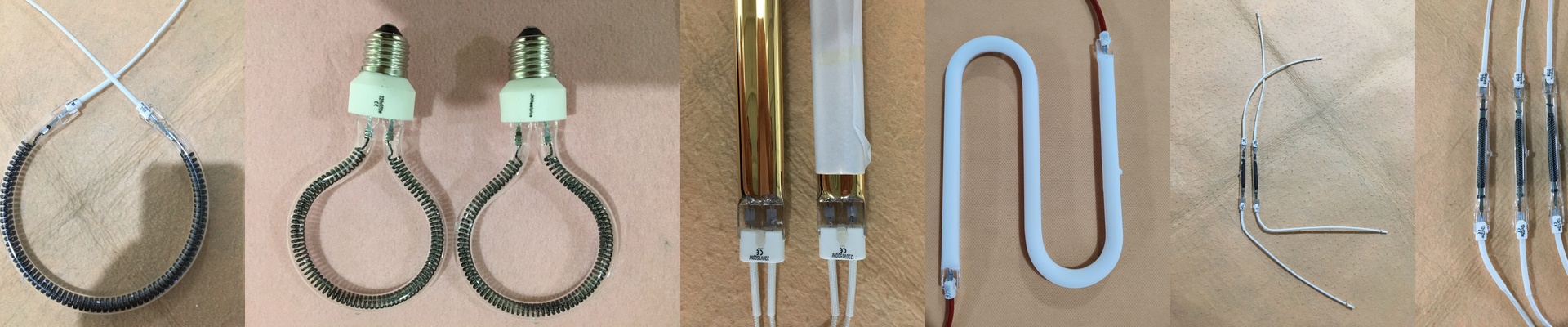
Getting the Most Out of Carbon Fiber Quartz Heating Tubes
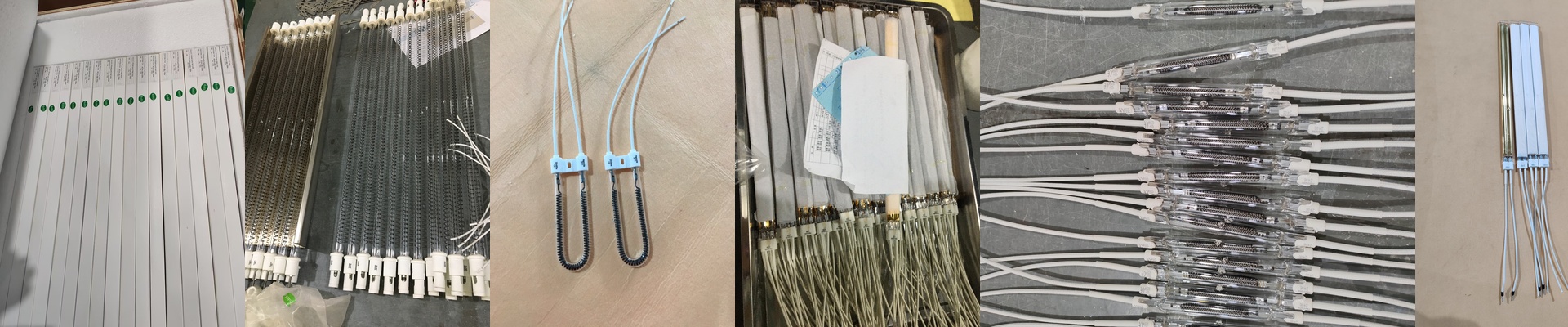
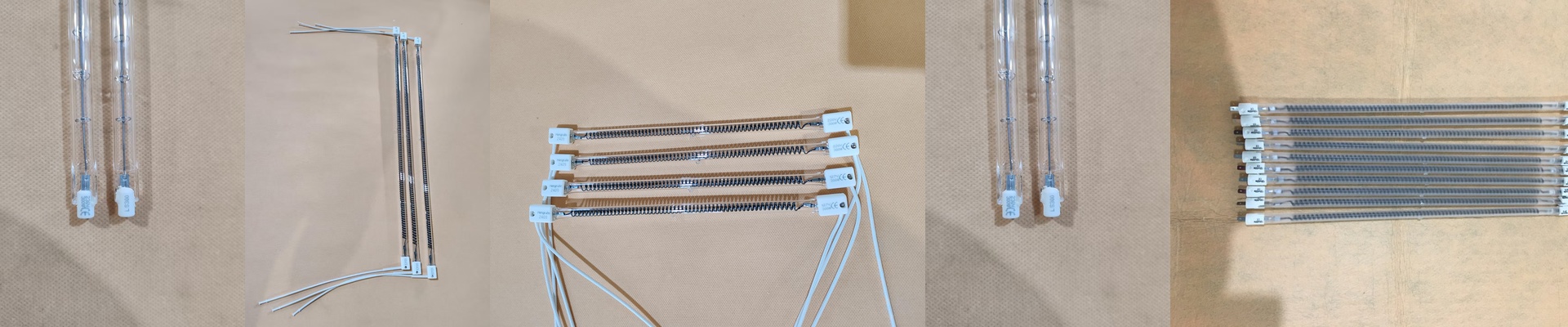
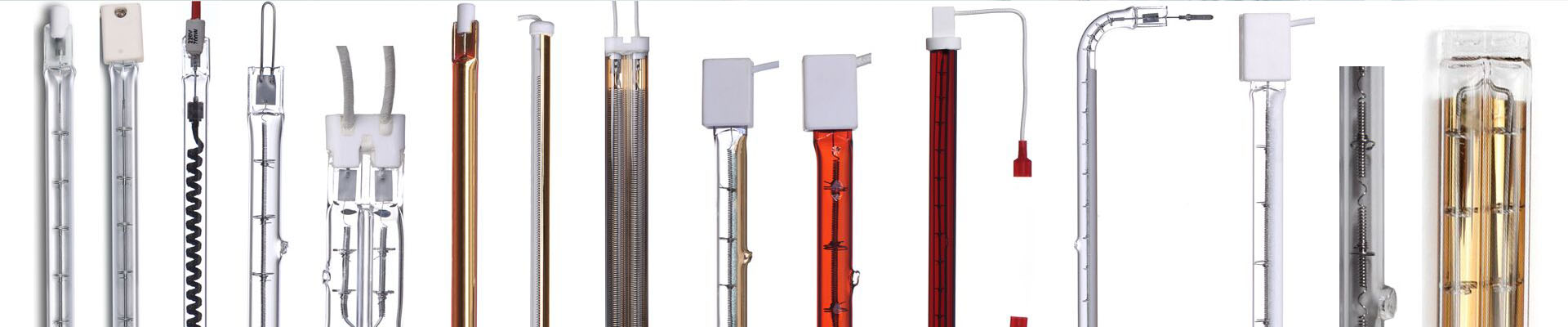
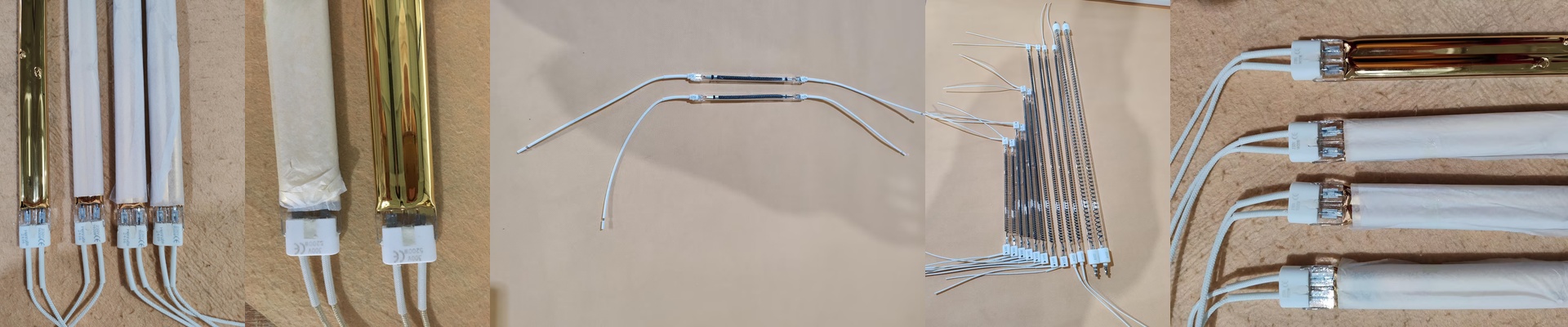
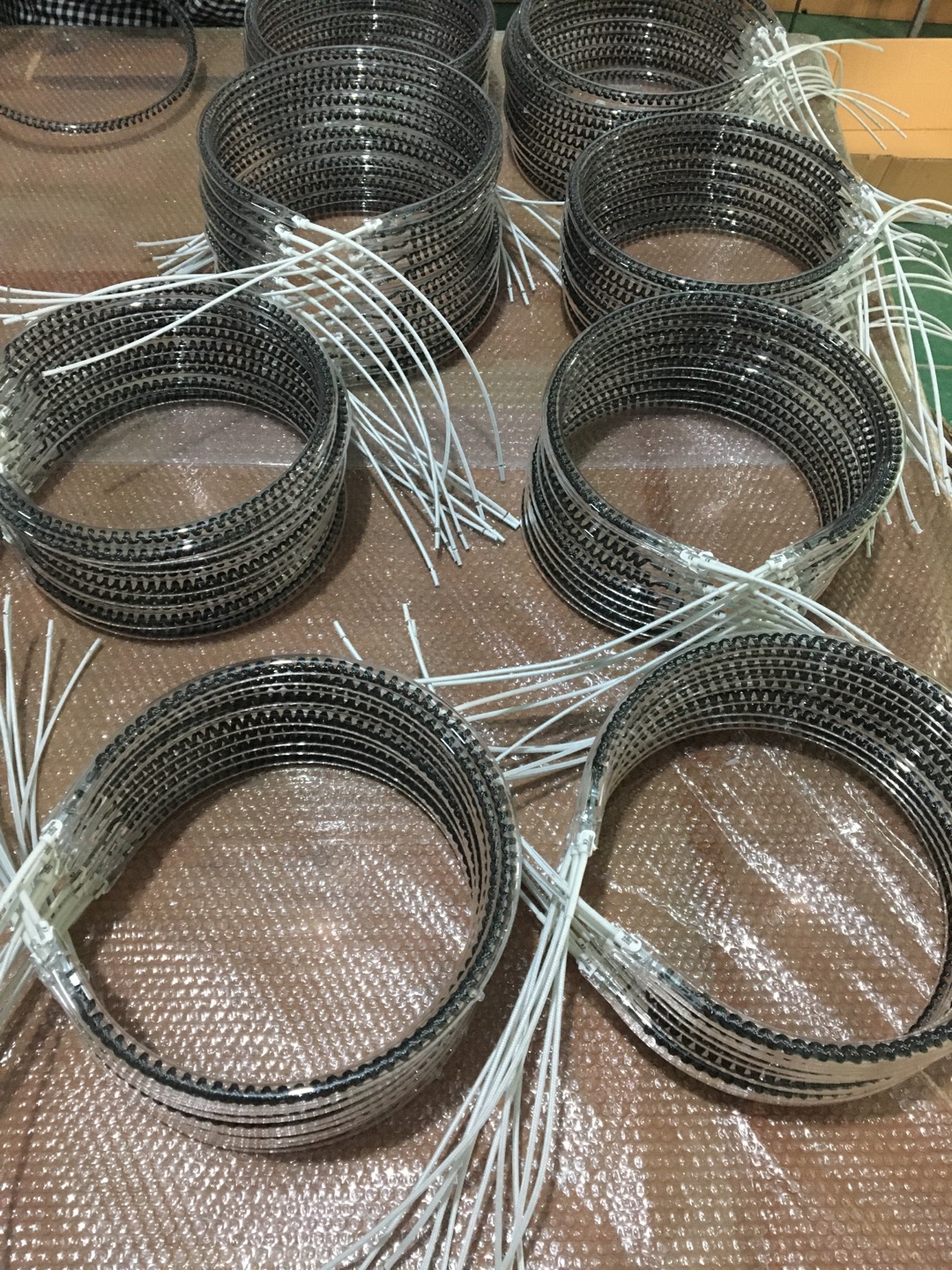
If you need heat—and you need it fast—carbon fiber quartz tubes are the way to go. Think of them as high-performance infrared emitters. Instead of using those old-school metal filaments, we use carbon fiber tucked inside a high-purity quartz shell. The result? The heat doesn’t just sit on the surface; it actually sinks deeper into your materials. Let’s talk power. When we spec these tubes, we look closely at the wattage-per-centimeter. Why? Because you want your workpiece to hit that target temperature without accidentally melting your entire machine chassis. If you’re going for high-wattage, you’re getting a massive amount of heat density. But be careful. Make sure your power supplies and wiring can handle the voltage drop. If you don’t, you’ll end up burning out the ends of the tube. And if you’re running these at full tilt, don’t skimp on your cooling system. You’ve got to manage that ambient heat soak or things get messy. Why quartz and carbon? The quartz glass does the heavy lifting here. It acts as a vacuum seal and a shield, letting short-wave and medium-wave radiation fly right through without getting stuck. We chose carbon fiber because it’s tougher than tungsten when things get hot. It handles thermal expansion way better, so the tube won’t warp or snap when you’re flipping the power on and off all day. One pro tip: the end-cap seals are the weakest link. That’s why we use high-temp brazing to make sure those seals stay tight under vacuum. Putting them to work You’ll see these in everything from PET blowing and automotive paint curing to drying semiconductors. If you’re still using old halogen systems, these are a great swap. They ramp up almost instantly because carbon fiber doesn’t have that sluggish inertia. One last thing.Keep the glass clean. Seriously. A single fingerprint or a smudge of oil can create a hot spot. That’s the fastest way to kill a tube. Keep them spotless, and they’ll treat you right.