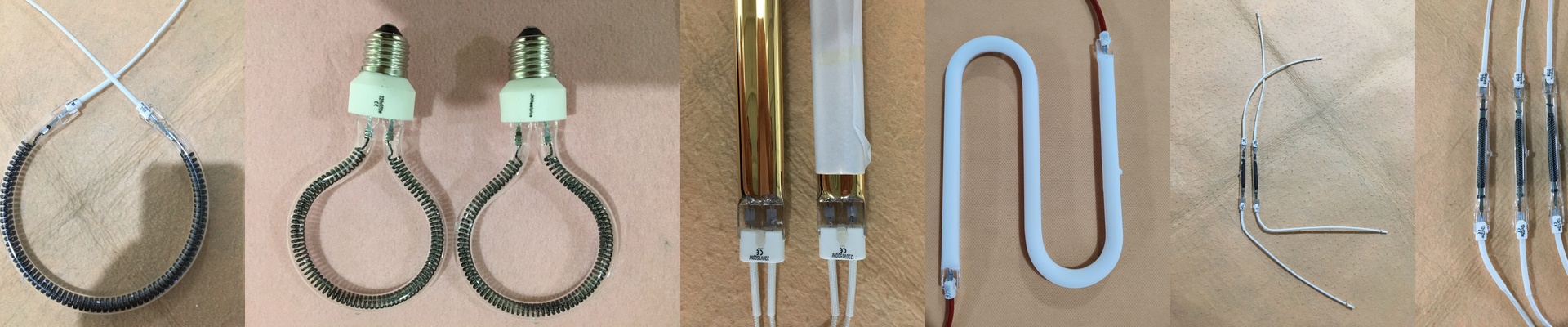
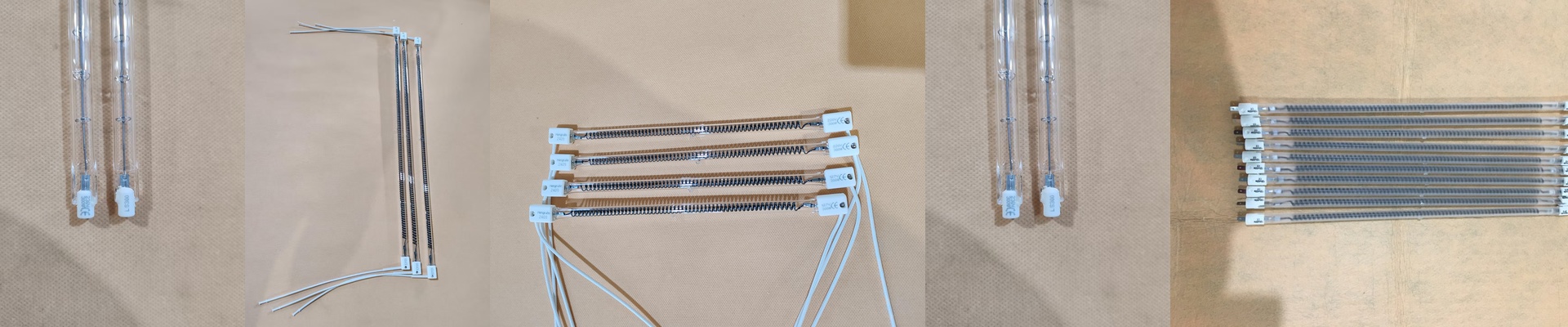
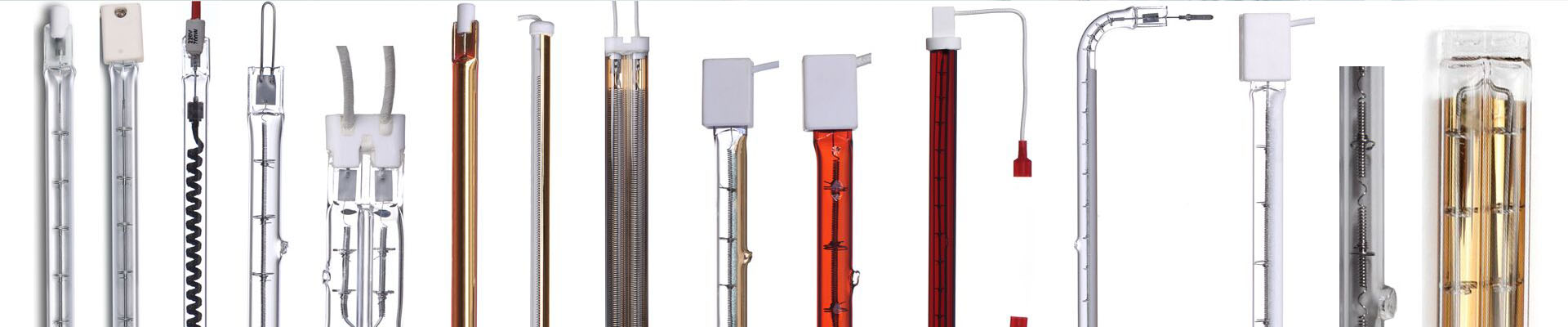
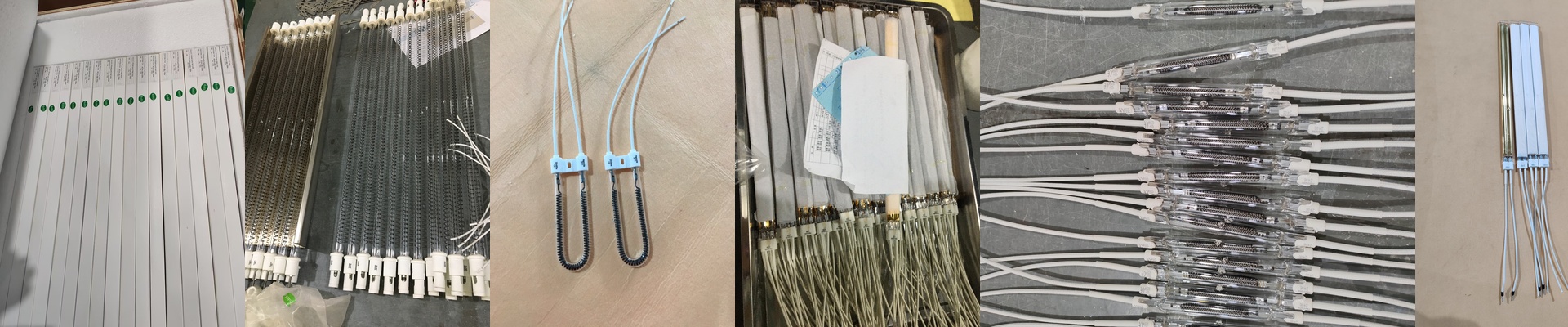
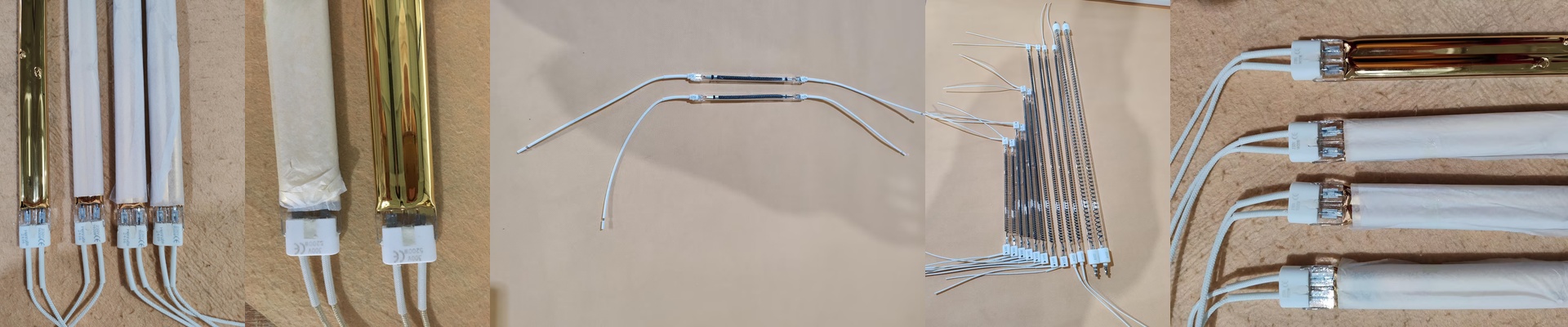
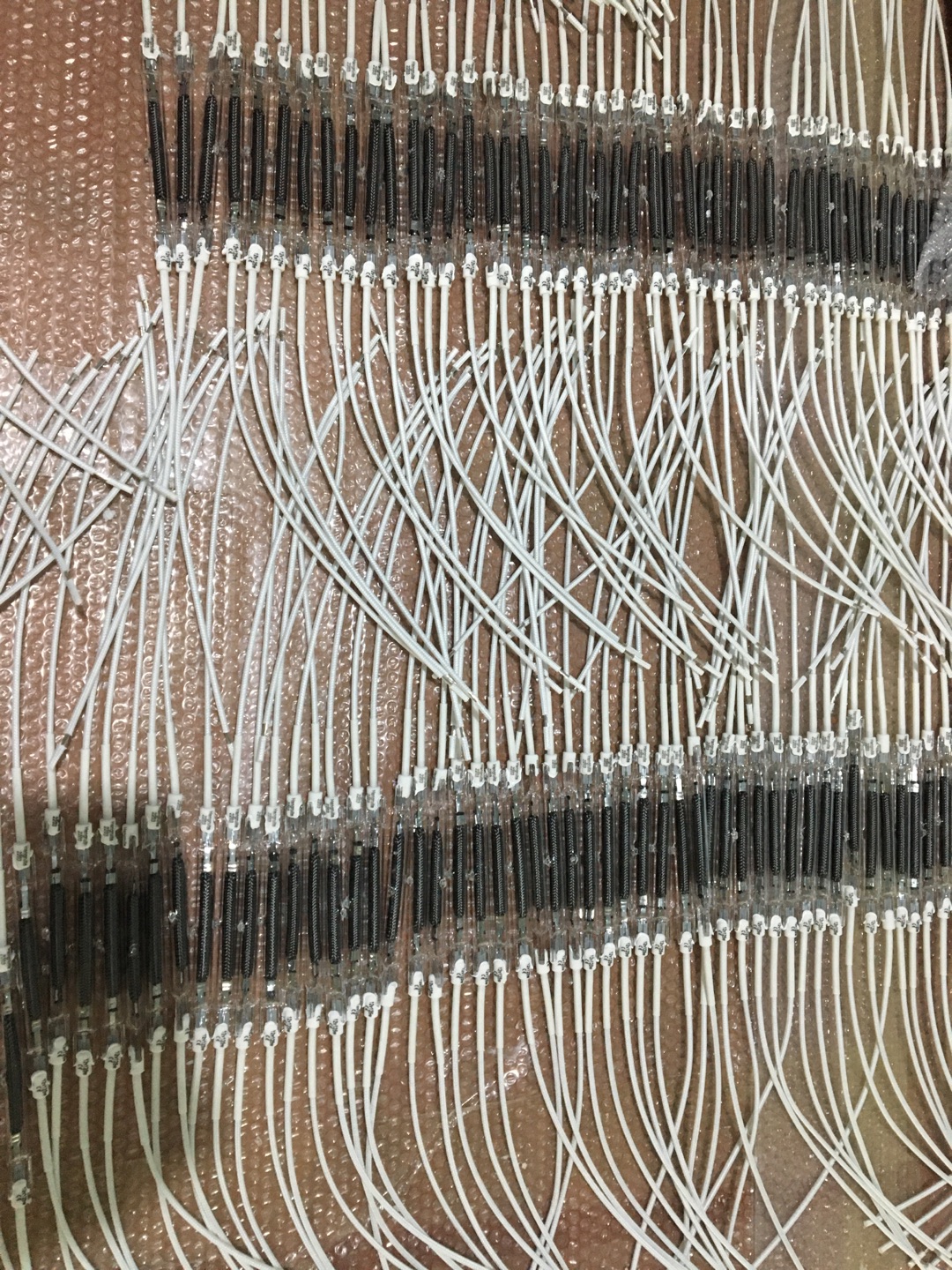
Let’s Talk About Carbon Fiber FIR Heat Lamps
If you’ve used standard halogen lamps, you know the drill—they rely on tungsten and get incredibly hot on the surface. Carbon fiber lamps do things differently. We use a carbon filament tucked inside a quartz tube. The big difference? They don’t need to reach those crazy surface temperatures to get the job done. Instead, they push out energy in the far-infrared spectrum. This means the heat doesn’t just sit on the surface; it actually sinks deep into whatever you’re heating.
Getting the Power Right
When we’re figuring out the wattage and voltage for your setup, it really comes down to how much space you have to work with. If you go with a high-wattage tube, you’re getting a lot more heat density per centimeter. That’s the secret to fast cycle times. But here’s the catch: your power supply has to match. If the voltage is off, you’re just asking for the filament to burn out way sooner than it should. It’s a simple mistake, but a costly one.
What They’re Made Of
The quartz tube isn’t just there for looks—it keeps the carbon filament from oxidizing. We use high-purity quartz so those FIR waves can slide right through the glass without getting trapped. Depending on what you’re actually heating, we can add a special coating to the tube. This lets us bounce the heat backward or tighten the beam into a focus. For the connection, we usually stick with R7s or Sk15 bases. They’re standard, which means you can just drop them in and get wired up without having to spend your weekend fabricating custom brackets.
Real-World Use (and the Trade-offs)
You’ll see these all over the place in PET blowing, paint curing, and drying lines. Because the FIR wavelength goes deeper into plastics and coatings, you don’t have to worry about scorching the outside while the inside is still freezing. It’s a much more forgiving way to heat. One thing to keep in mind: these aren’t instant. Unlike halogens that hit peak temp in a blink, carbon fiber has a bit of a ramp-up time. If your process needs a millisecond response, you’ll just need to tweak your conveyor speed or move your zones around to handle that slight lag. Once you dial that in, you’re golden.