Getting Your Anatol or ROQ Dryers to Hit the Sweet Spot
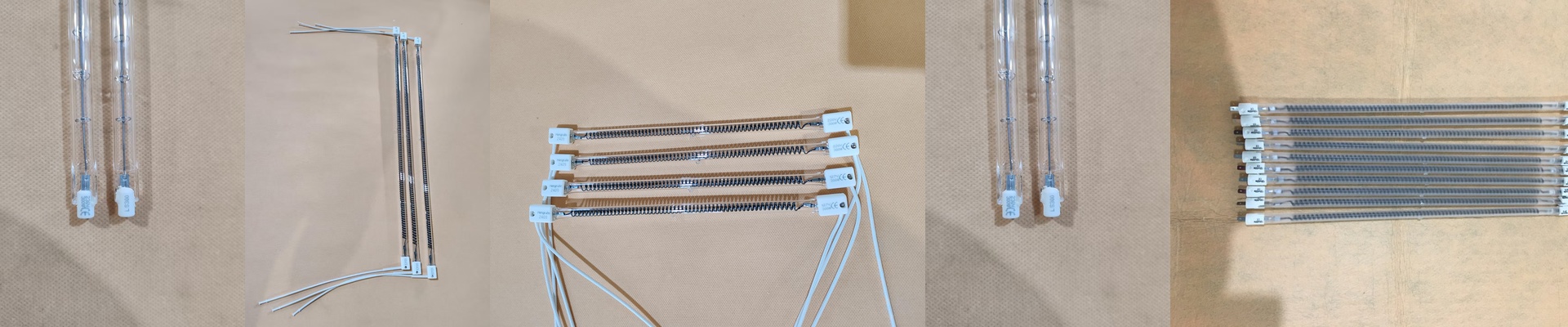
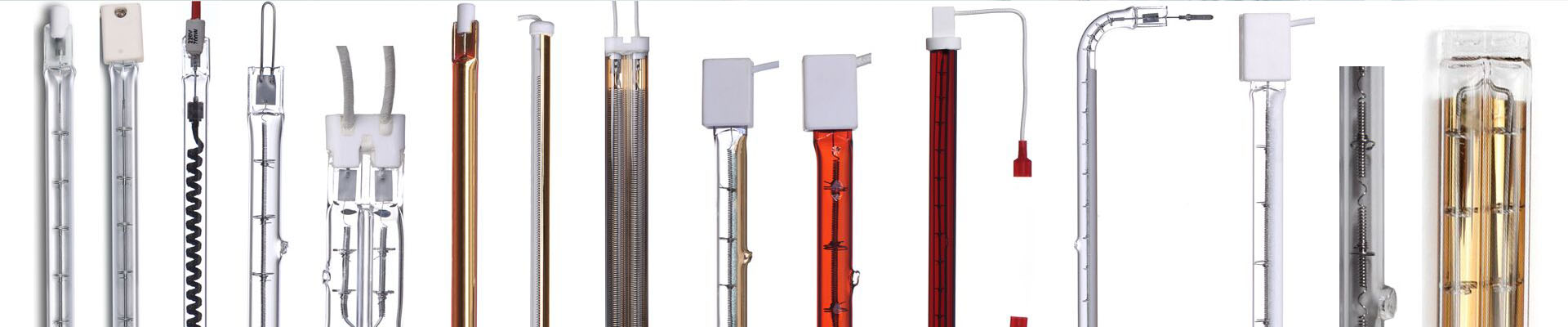
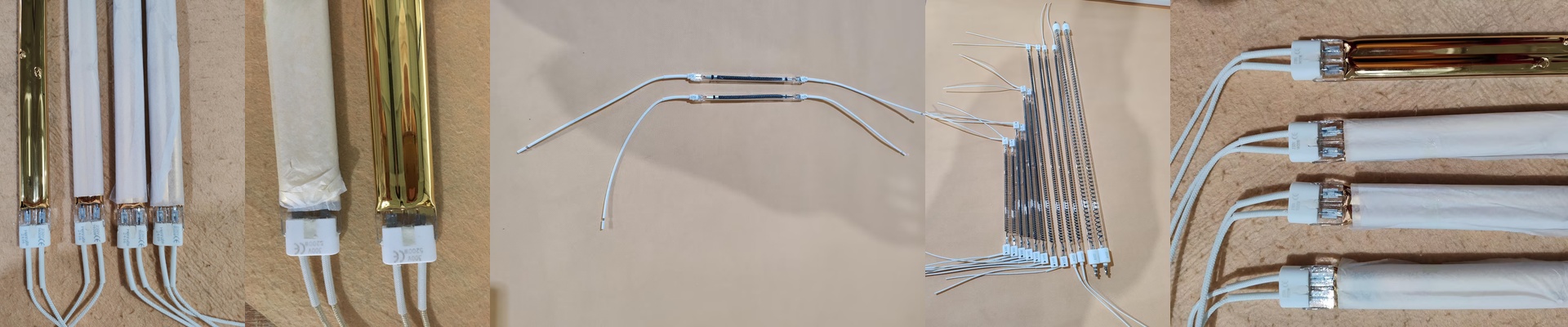
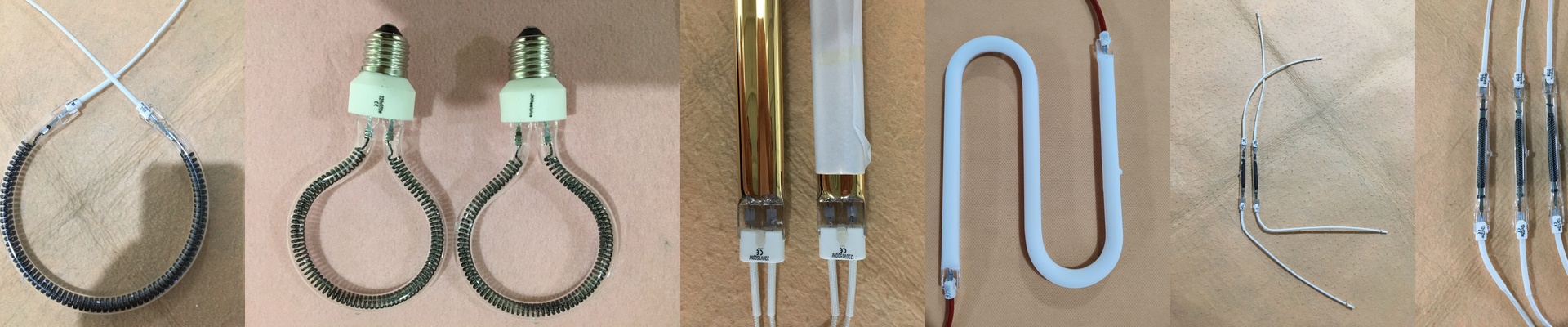
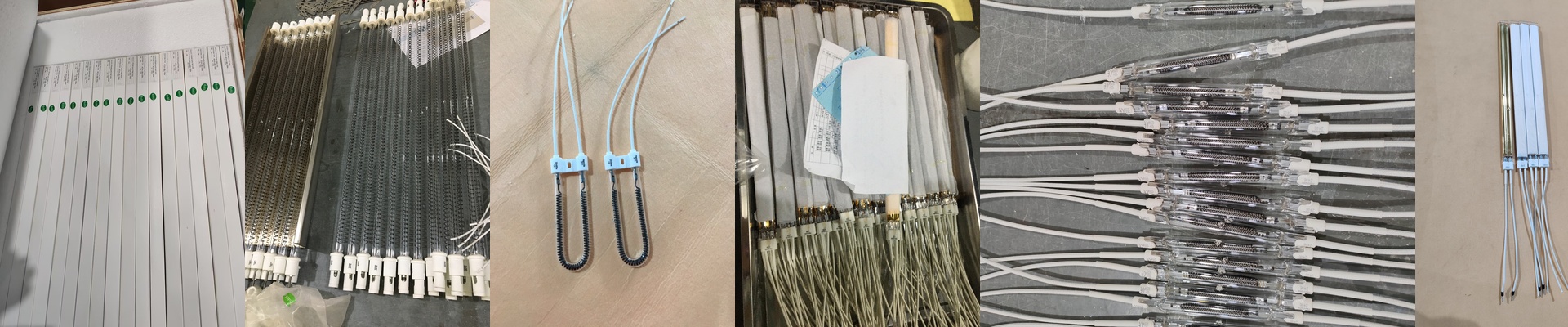
Look, swapping out your OEM lamps for domestic infrared alternatives isn’t just about saving a few bucks. It’s about making sure your ink actually cures without turning your shirts into charcoal. It’s all about the heat. To get that same efficiency you’re used to, we obsess over the wattage-to-length ratio. If your ROQ dryer is built for a specific kW output per meter, your new lamps need to hit that same power density. We build these tubes to fit your machine’s voltage—usually 220V or 380V—because the math has to be exact. Get the wattage too low? You’ll have to slow your belt down to a crawl. Too high? You’re risking a burnt garment. Neither is a good day at the shop. The nitty-gritty stuff We use high-purity quartz glass so the infrared heat actually gets through. We also make sure the filament is dead-center. Why? Because “hot spots” are what kill lamps early. For those of you running Anatol setups, we usually lean toward short-wave infrared. It punches through the ink layers faster, which means your shirts spend less time under the heat. It’s faster. Simpler. Swapping them in The best part is that these are drop-in replacements. They fit your existing footprints and connectors, so you can skip the headache of rewiring your panels. But here’s a pro tip: when you push higher heat densities through these tubes, your reflectors take a bit more of a beating. Give your reflectors a scrub every few weeks. If they’re dirty, they can’t bounce the heat back down onto the platen. That forces the lamps to work harder and run hotter, which just eats away at their lifespan. Keep the mirrors clean, and your gear will stay efficient much longer.