Getting the Heat Right for Industrial Inkjet Drying
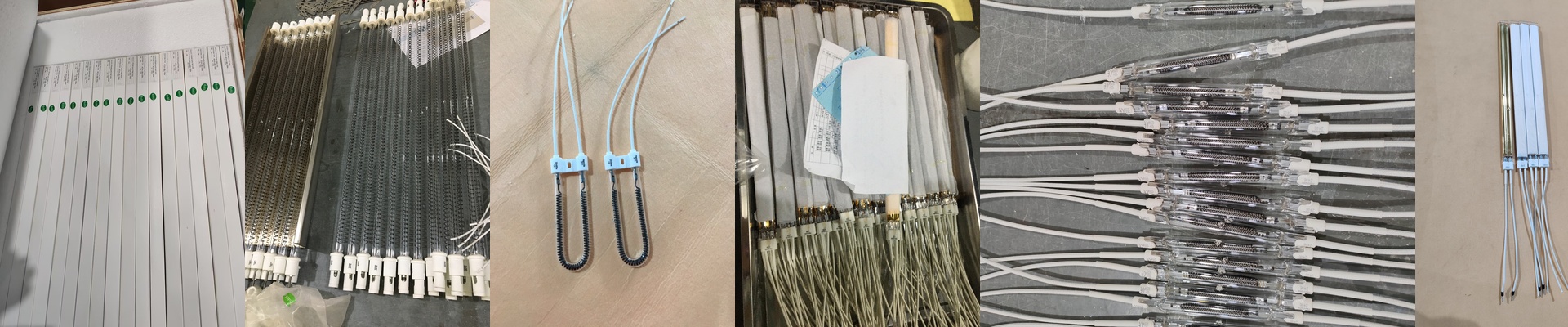
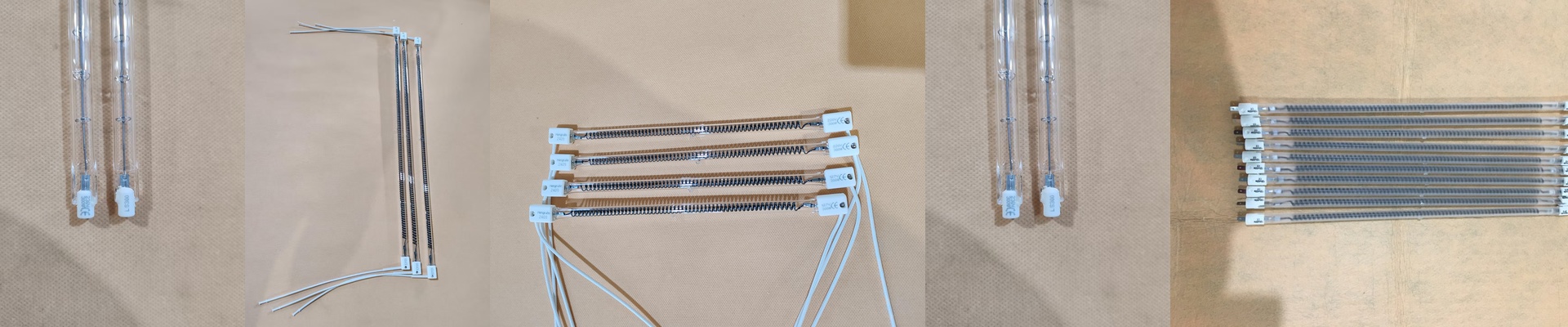
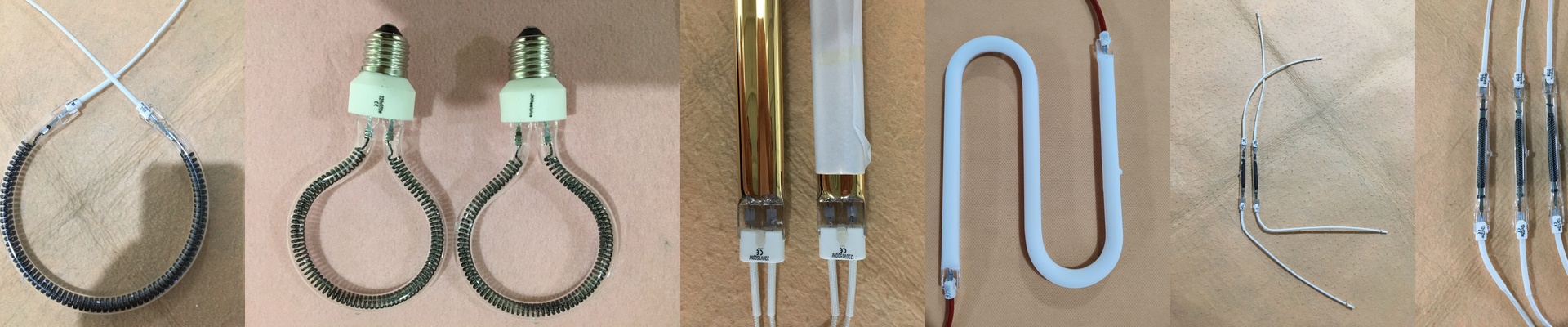
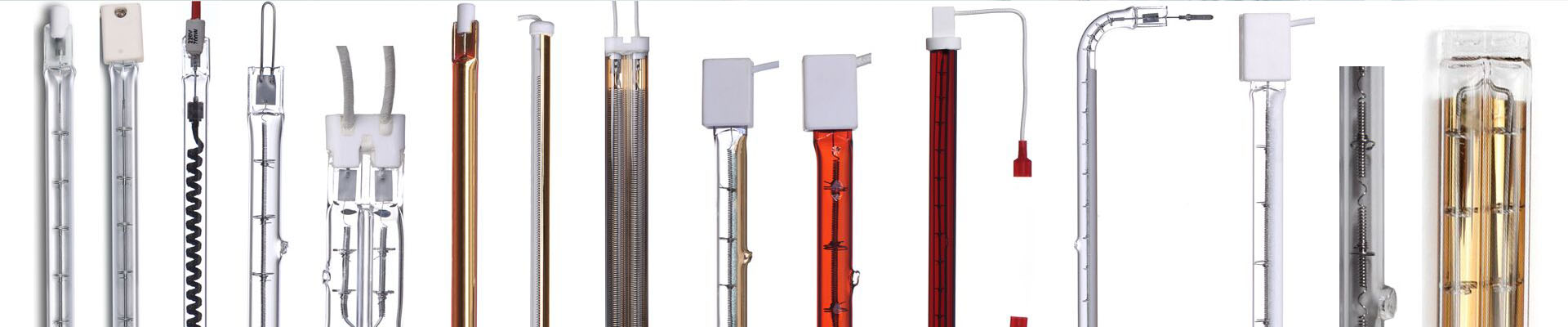
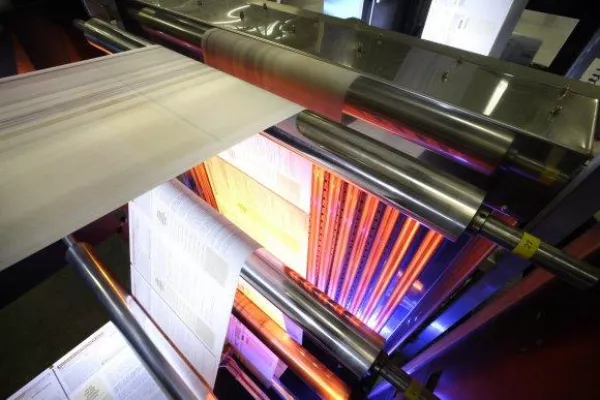
If you’ve ever worked with high-end inkjet printers, you know the struggle. If that solvent doesn’t evaporate the second it hits the material, you’re looking at bleeds, smudges, and a lot of wasted product. That’s where we come in. We build the infrared (IR) lamps that do the heavy lifting. In fact, if you’re using a top-tier printer, there’s a good chance the heat source inside is an OEM tube that rolled off our floor.
Power, Wattage, and the Balancing Act
Here’s the thing: your printing speed basically decides your wattage. To dry ink while it’s flying by, we have to pack a lot of power into every millimeter of the tube. We use high-voltage setups to squeeze more energy into a smaller space. It creates that intense, “flash-drying” heat you need. But a word of caution—your wiring and power supply have to be up to the task. If your voltage starts jumping around, you’ll burn through your filaments way faster than you should.
Why the Glass Matters
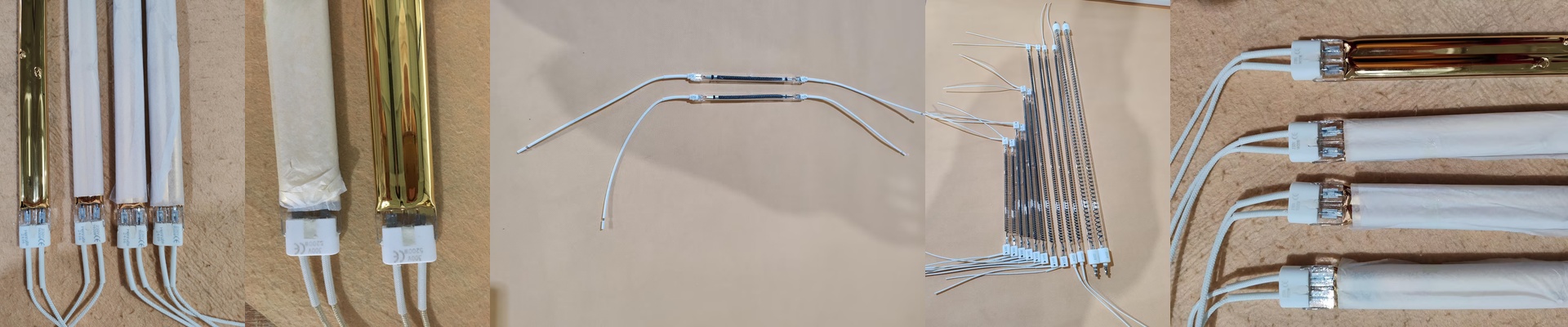
We don’t just use any glass; we use high-purity quartz. Why? Because these lamps cycle on and off rapidly, and that kind of thermal shock would shatter cheaper materials. Plus, we often add special coatings to our OEM tubes. This tweaks the light spectrum so the heat actually hits the ink, rather than just warming up the material underneath. To make your life easier, we stick to standard connectors like R7s or SK15. It makes swapping them out during maintenance a quick, painless process.
The Danger Zone: Heat vs. Material
High heat density is great, but it’s a bit of a double-edged sword. If you aren’t careful with the distance between the lamp and the material, you’ll warp your vinyl or thin PET. It’s all about that gap. We build our tubes to incredibly tight tolerances so the heat is steady across the whole width of the print head. If the lamp isn’t spec’d right, you get “cold spots.” That means uneven drying and a pile of rejected batches. And don’t forget your cooling system—it needs to be beefy enough to handle the ambient heat bleeding off those high-wattage arrays.