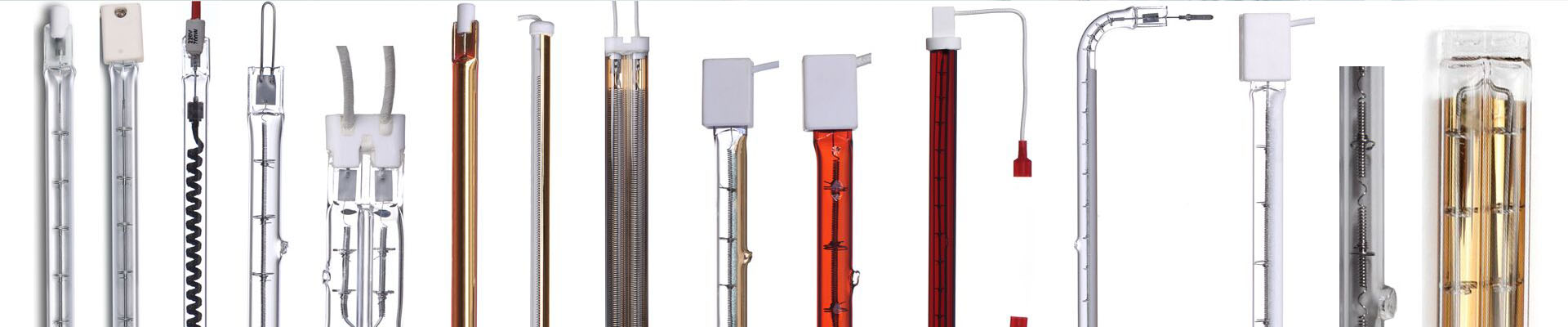
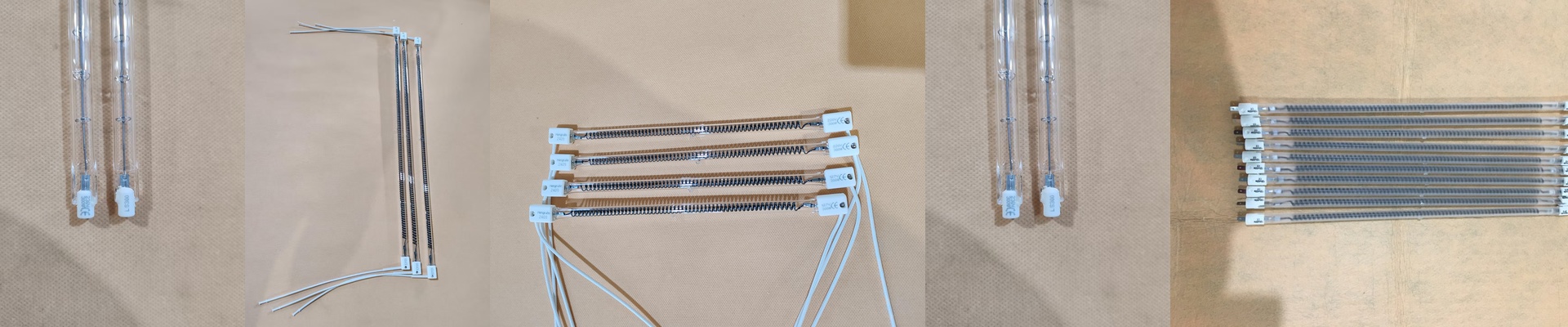
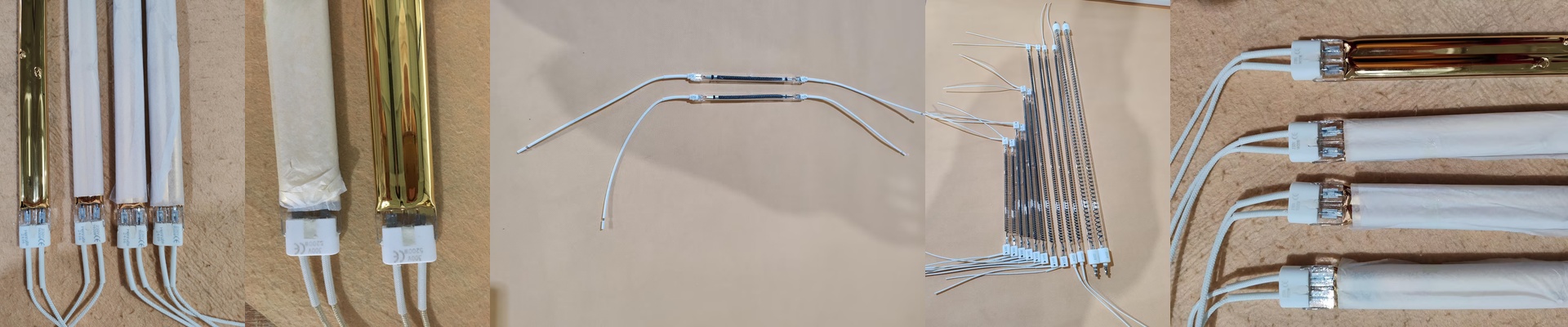
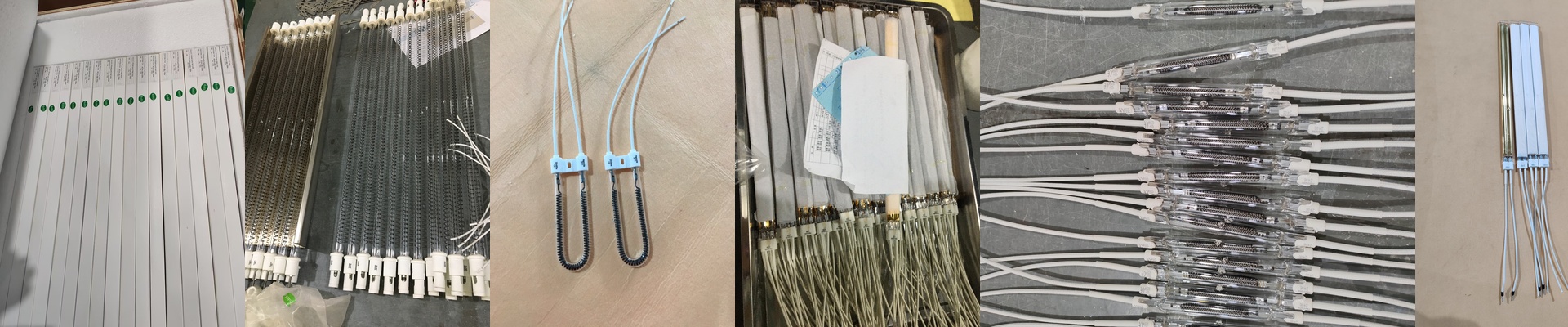
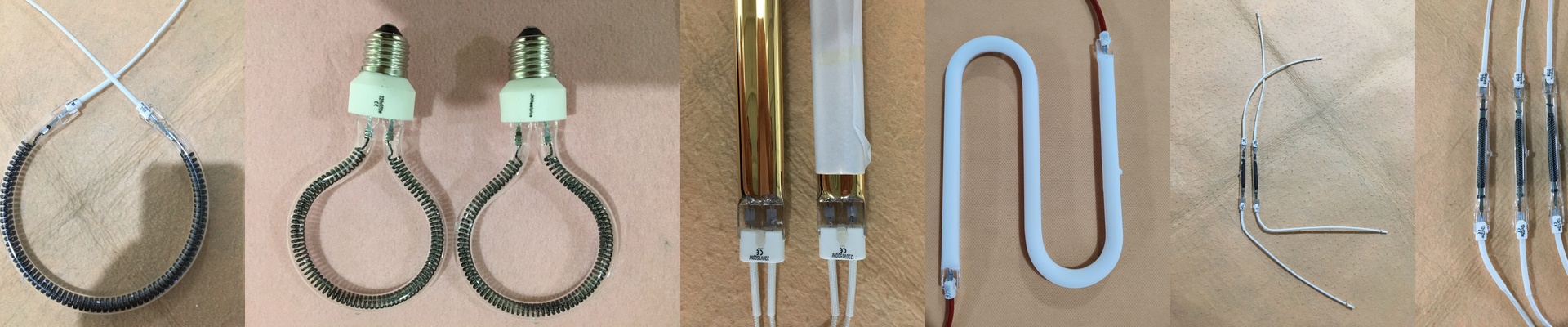

Getting the Heat Right for Your Anatol Press
If you’re running an Anatol press, you already know the deal: you need enough infrared heat to flash-dry your inks, but not so much that you start scorching your materials. It’s a delicate balance. When you decide to swap out those expensive OEM lamps for domestic IR tubes, the big question is always: Will it actually work the same? The goal is to keep your heat flux (the W/cm²) exactly where it needs to be. Because if that drops, your line speed slows down. And in this business, slowing down is losing money.
The Nitty-Gritty on Power
We don’t guess when it comes to wattage and length. If your setup relies on a high-wattage short-wave tube, we make sure the replacement matches the voltage and current draw perfectly. Why? Because if the numbers are off, you’re headed for trouble. You’ll either end up with ink that isn’t quite dry, or you’ll fry the filament way too soon. We keep the resistance values in line so your transformers don’t start overheating and throwing a fit.
Quartz and the “Short-Wave” Advantage
We use high-purity quartz glass because it can take the hit of rapid heating and cooling without cracking. We stick with short-wave IR here. It digs deeper into the ink layer than medium-wave options do, which means things dry faster. Just a heads-up, though—short-wave lamps run hotter on the surface. **Keep your reflectors clean.**If they’re oxidized or dirty, you’re basically throwing away heat that should be hitting your web.
Fitting Them In
The best part? These are drop-in replacements. We use the same footprints and connectors, so you can just wire them up and go. No hacking apart your lamp housing or spending hours on modifications. One quick tip: make sure your cooling blowers are actually doing their job. If the airflow is blocked, the housing just soaks up all that heat, and your tubes won’t last nearly as long. We focus on the spectral output so the ink is fully cured by the time it hits the take-up roll. No smudges, no restarts—just a clean run.