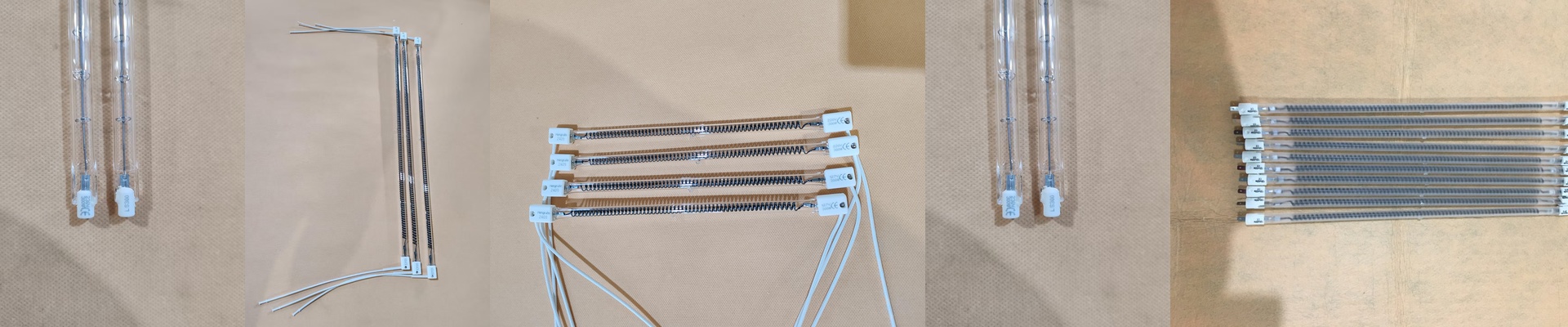
Let’s Talk About Reflector Lamps for Ink Drying
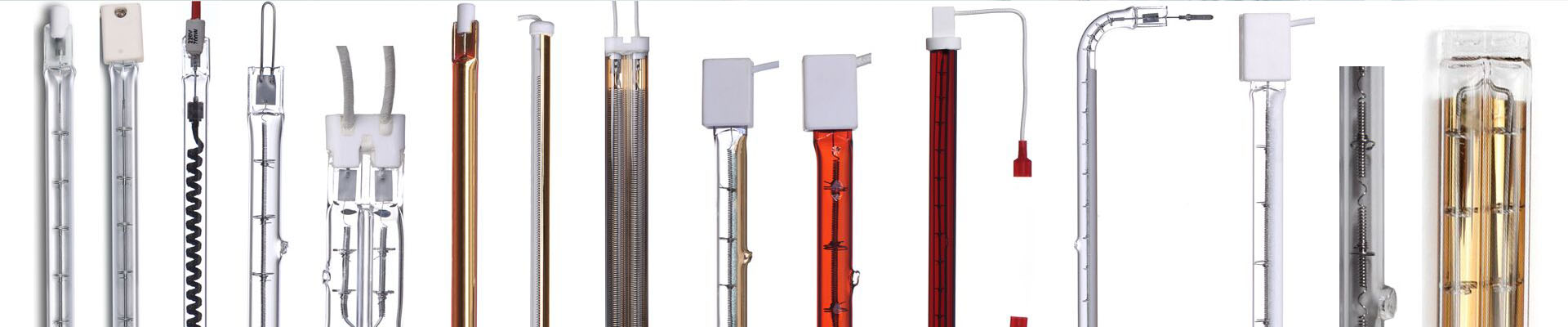
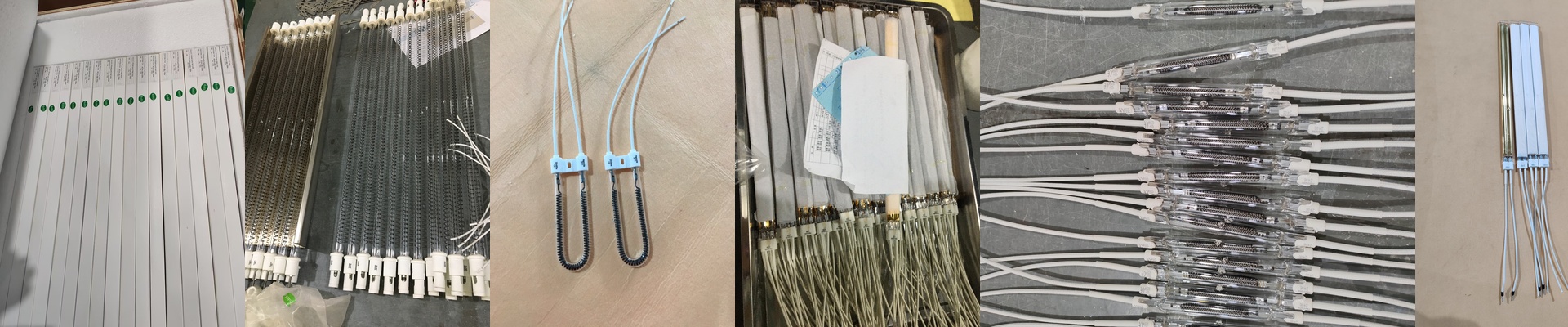
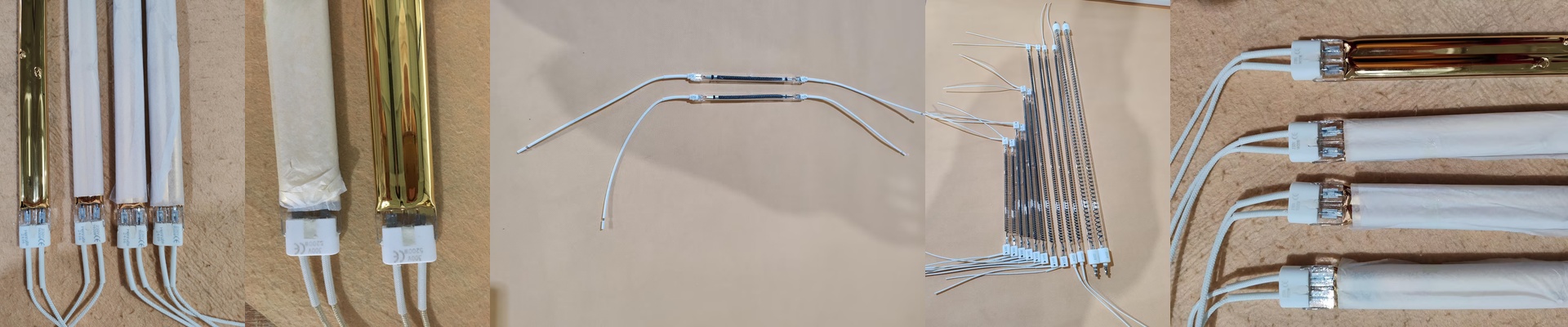
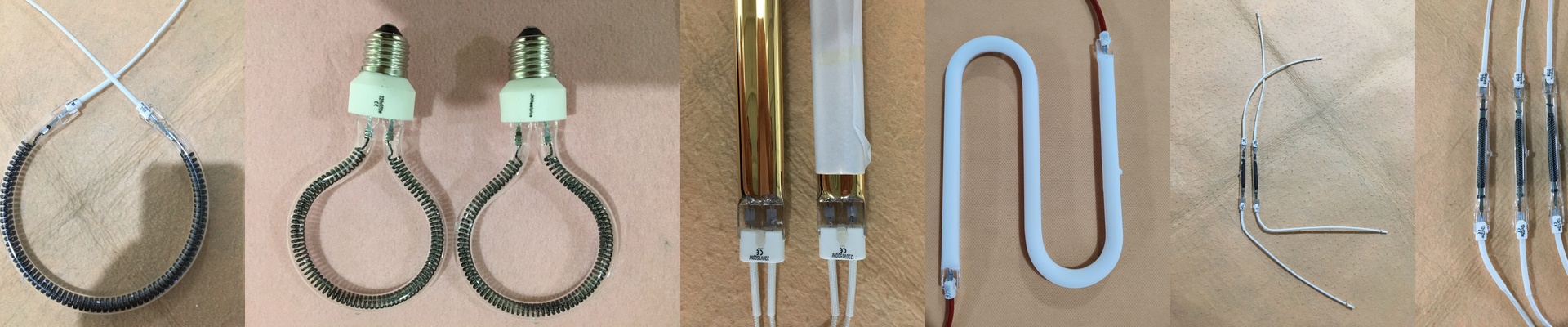
If you’re running a textile or printing plant, you know the drill. You need those short-wave IR reflector lamps to flash-dry your pigments fast, but you have to do it without scorching the fabric. Here is a little secret: a lot of shops spend way too much money on “OEM” branded lamps. But honestly? The physics of a heating element doesn’t change just because there’s a fancy logo on the box. The nitty-gritty: Power and Heat We make these things with high-purity quartz glass and tungsten filaments. When you’re picking a lamp, it really comes down to wattage and voltage. Think of it like this: more wattage in a shorter tube creates a concentrated blast of heat. That’s what makes the solvents vanish and the ink set in a heartbeat. Just be careful with your voltage. Your lamp has to match your transformer. If you pop a 230V lamp into a 400V circuit, it’s gone. Poof. Instant burnout. It’s all about the reflection The reflector isn’t just a piece of shiny metal. It’s what actually directs the heat. We use gold or aluminum coatings to push that IR radiation straight onto the fabric. The curve of the reflector is what decides your “spot.” You want a tight curve for narrow belts, or a wider arc if you need to cover the whole web. If that coating starts to peel or get pitted, your heat goes everywhere except where it should. That means uneven drying and a lot of wasted electricity. Fitting them in These are designed to be simple drop-in replacements. We use standard connectors so you can wire them up quickly and get back to work without having to rebuild your machine. But here’s the catch: high-output lamps get incredibly hot. If you crank up the wattage to speed up your line, make sure your cooling fans can actually keep up. Otherwise, you might find your plastic housings starting to melt. At the end of the day, if you focus on the actual specs—the filament grade, the reflectivity, and the voltage—you can stop paying the “brand tax” and still get the exact same production speed.