Stop Overpaying for Anatol and M&R Replacement Lamps
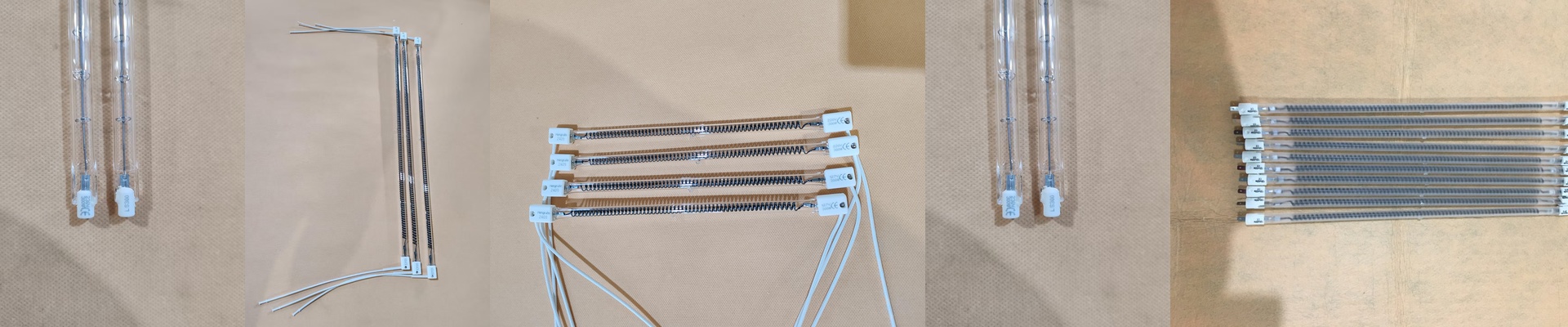
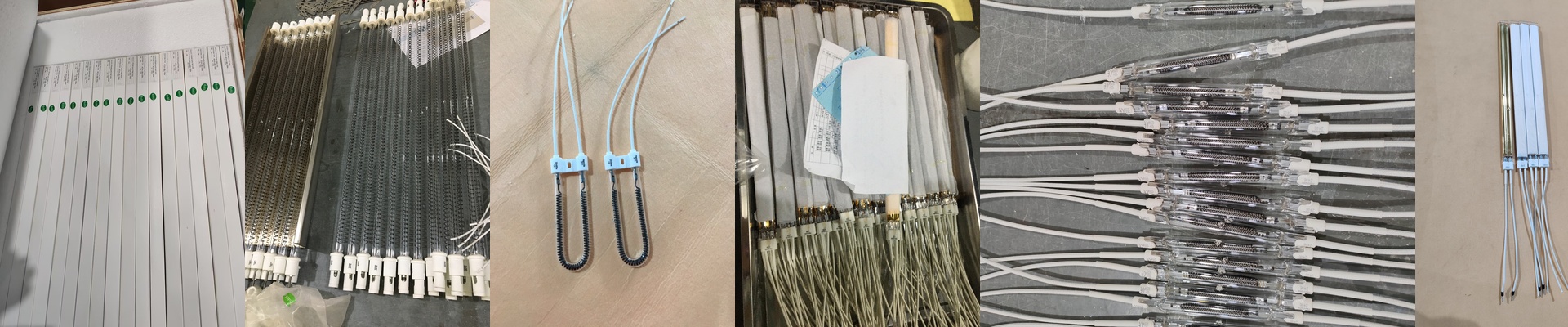
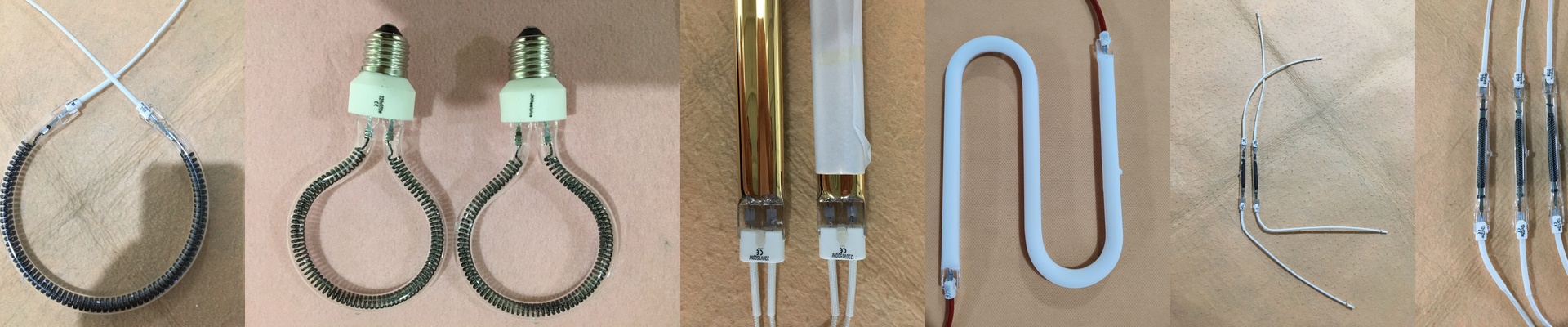
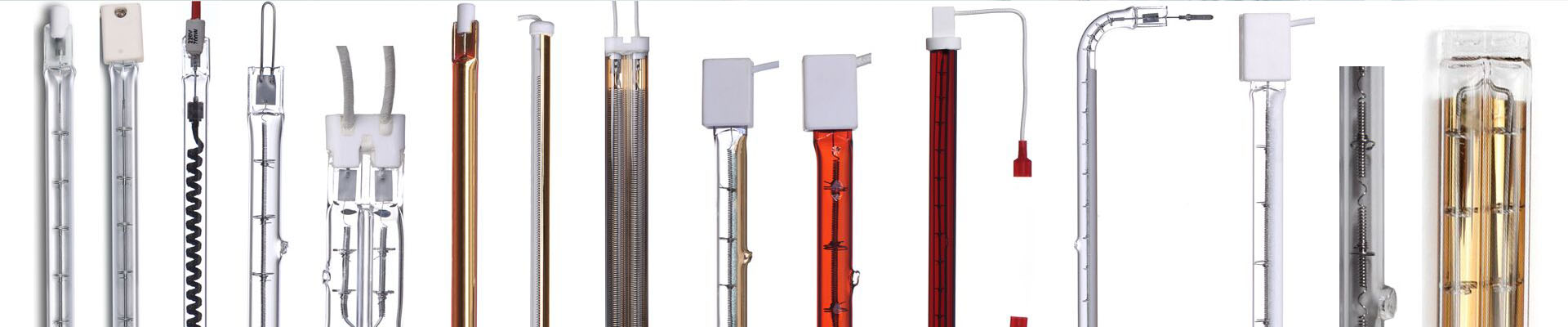
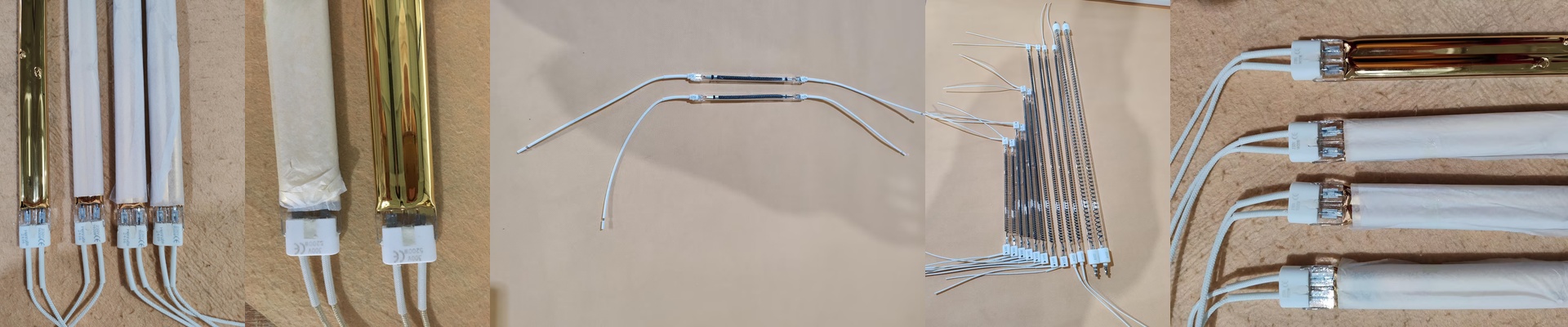
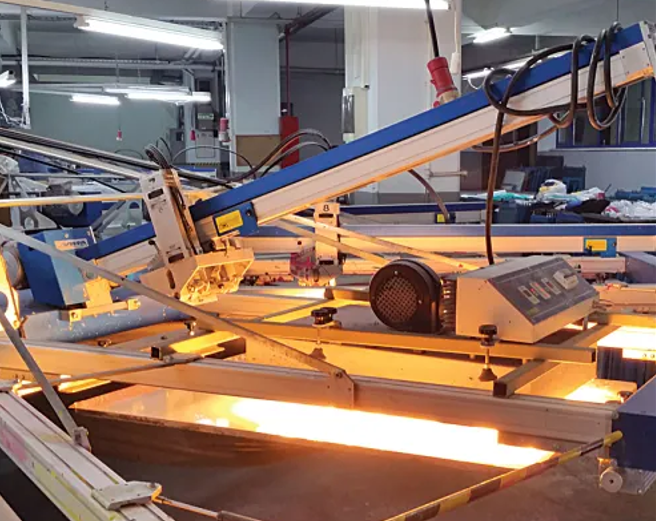
If you’re running an M&R Cayenne or an Anatol press, you know the drill. One of your IR lamps burns out, you check the price for the OEM replacement, and you probably winced. It’s expensive. That’s why a lot of shops are switching to high-output domestic lamps. But you can’t just throw any bulb in there and hope for the best. If you want your ink to cure right without slowing down your entire line, you have to get the specs right. The wattage dance Here is the thing: you need to match your wattage and voltage exactly. If you go too low? Your conveyor has to crawl, and your production numbers tank. Go too high? You’re basically baking your garments. We make sure our replacements mirror the original footprint. That way, the heat stays consistent across every inch of the fabric, and you don’t have to spend your afternoon messing with the machine’s timing. Why quartz and “shortwave” actually matter These lamps are made from high-purity quartz. Why? Because they need to handle the shock of turning on and off rapidly without cracking. We’re aiming for shortwave IR. Instead of just warming up the surface of the shirt, this heat punches through the ink layer. We also use a specific way of winding the filaments to keep the heat concentrated in the center. It stops those annoying “cold spots” at the ends of the tube that lead to uncured patches. A few things to watch out for Swapping them out is pretty easy as long as your connectors match. But keep in mind, a high-output lamp still pulls a lot of juice. Just double-check that your electrical panels can handle the load. And a word of caution: don’t try to “over-clock” an old machine by cranking the wattage too high. You’ll just make your cooling fans scream and risk warping the housing. Before you plug everything in, just make sure your voltage is stable. It’ll save your filaments from blowing out way too early.