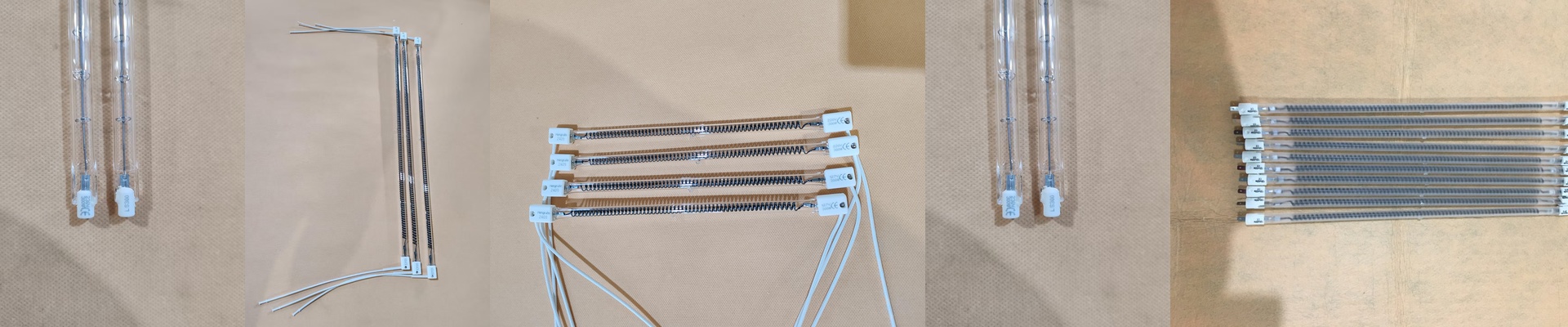
Getting Your Sulfet IR Heating Just Right
Keeping the heat steady across a rotary printing cylinder is a bit of a balancing act. If you’re hunting for spare parts for your Sulfet machines, you’ve probably realized that a generic infrared lamp just doesn’t do the job. You need something that fits the original footprint and hits the right power density. Otherwise, you’re looking at a nightmare of uneven drying or, even worse, scorched fabric.
Why we use ceramic insulation
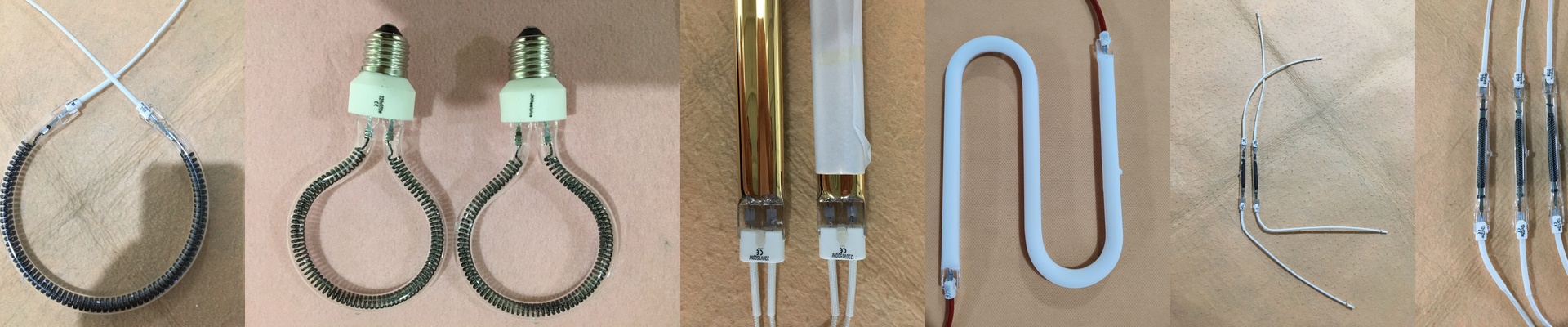
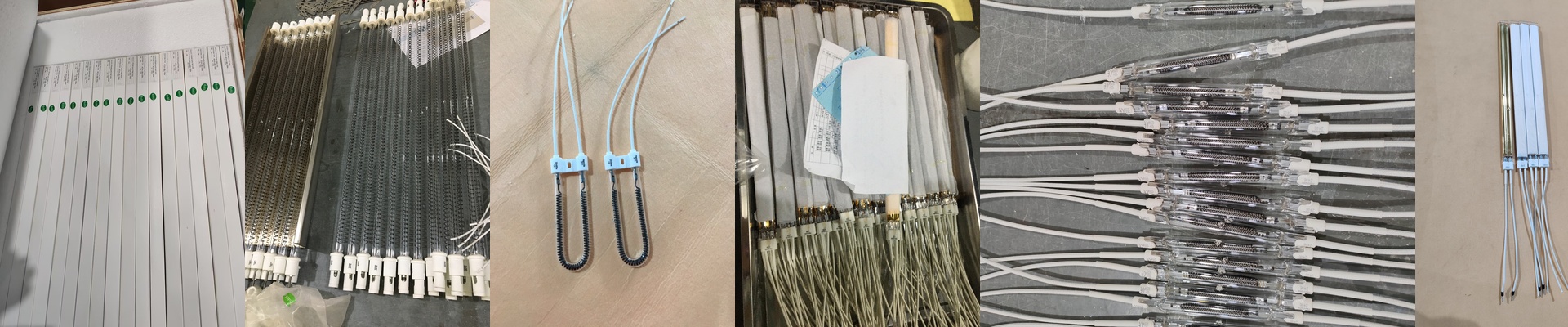
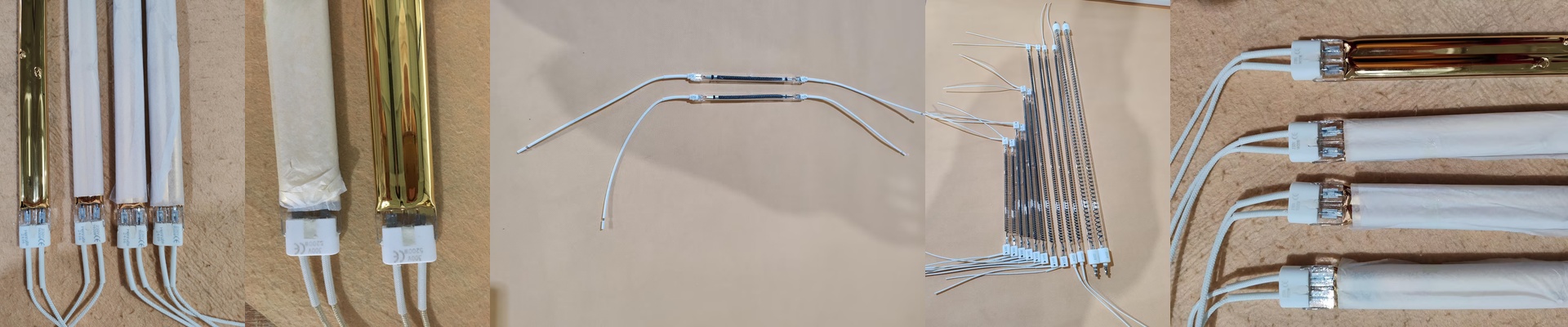
Standard quartz lamps are like lightbulbs—they throw heat everywhere. But in a Sulfet setup, we want that energy moving in one direction: toward the fabric. That’s where the ceramic insulation comes in. By shielding the sides and the back, we push the heat exactly where it needs to go. It stops the machine frame from soaking up all the warmth and keeps your cooling system from working overtime. Plus, it lets the lamp run hotter without you having to worry about frying the nearby wiring.
Getting the specs to match
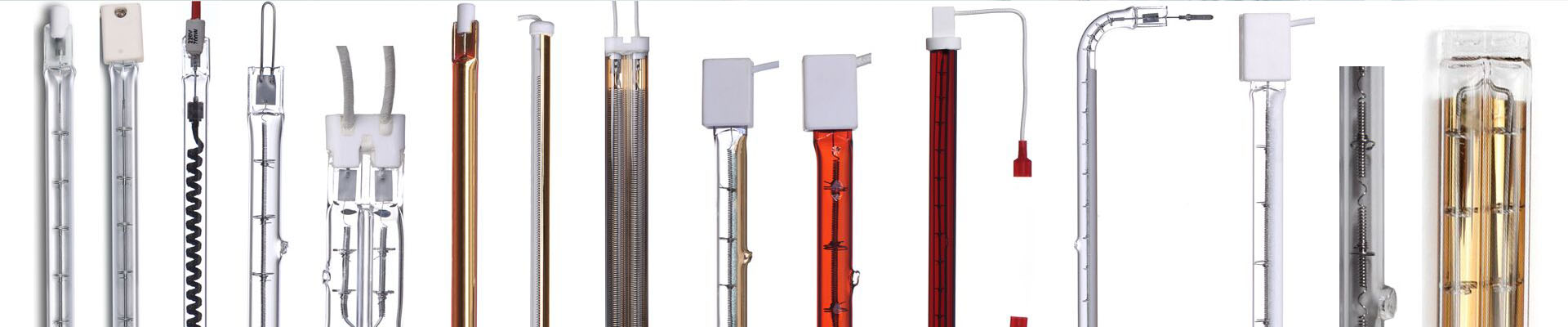
We build these lamps to play nice with your specific Sulfet drive’s voltage and wattage. Here’s the thing: if you throw in a lamp with too much wattage for your transformer, you’re likely to blow a fuse or kill the filament way too early. We obsess over the length and the connectors so that when you get the part, it just slides in. No messing around with brackets or “making it fit.”
The real-world trade-off
High-density IR lamps are great because they cure things fast. But they leave you with a very small margin for error. If your line speed dips while the lamps are cranked up to full power, you’ll burn right through your material. It’s a headache you don’t want. You’ve got to make sure your PLC is tuned to adjust the power the second the belt speed changes. We offer these custom setups so you don’t have to deal with the endless lead times of OEM parts. You get the same heat, the same fit, and you don’t have to touch a single wire in your cabinet.