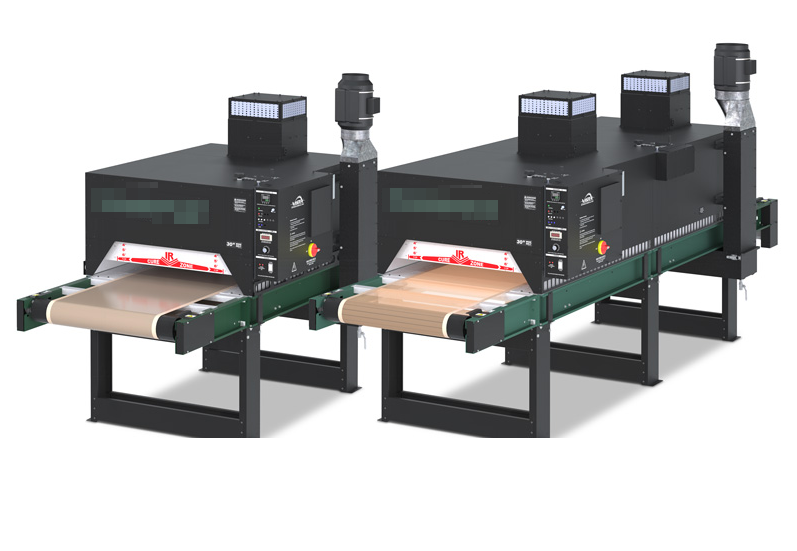
Getting Your Heat Right for MHM Printing Systems
When you’re hunting for a replacement heating element for your MHM setup, it’s easy to think that “hot is hot.” But here’s the thing: if the heat isn’t hitting your ink exactly the way the original lamps did, you’re asking for trouble. You’ll either end up scorching your fabrics or, even worse, shipping out shirts with ink that hasn’t actually cured.
Why the numbers actually matter
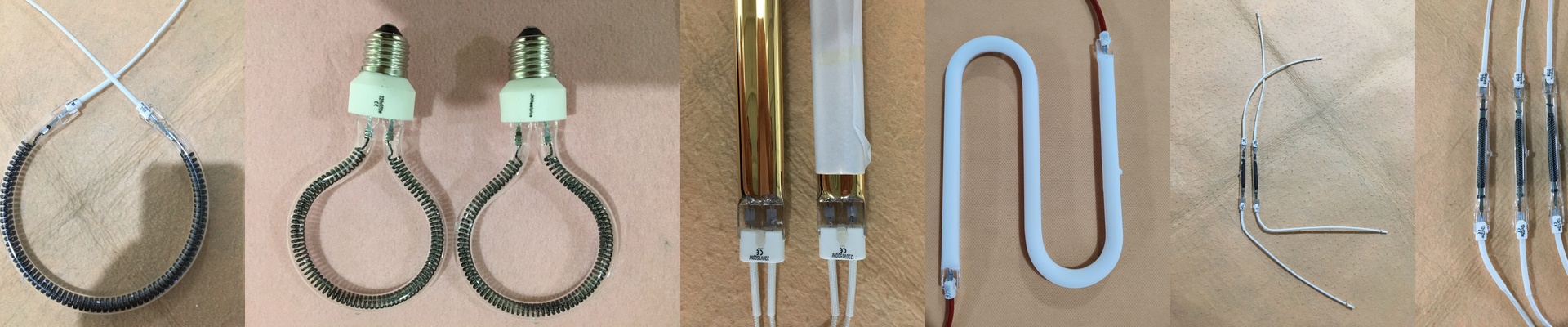
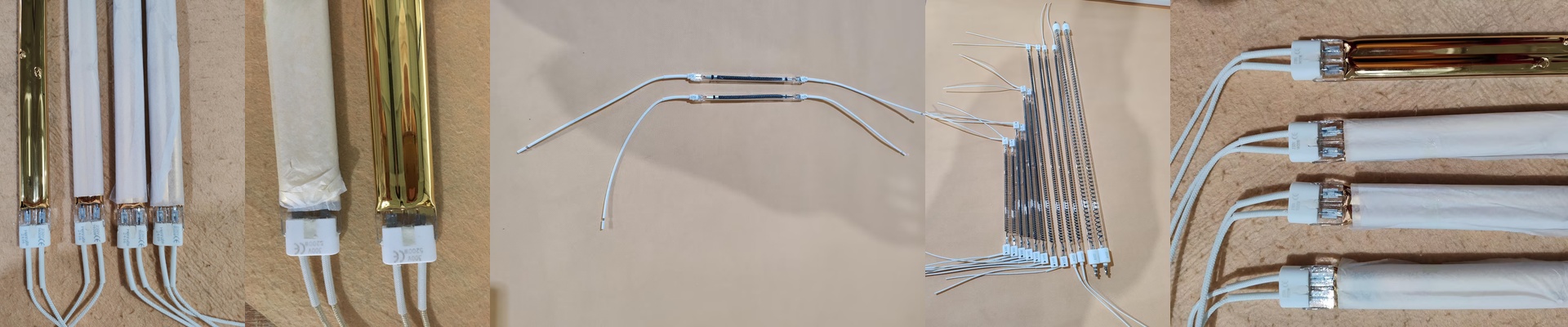
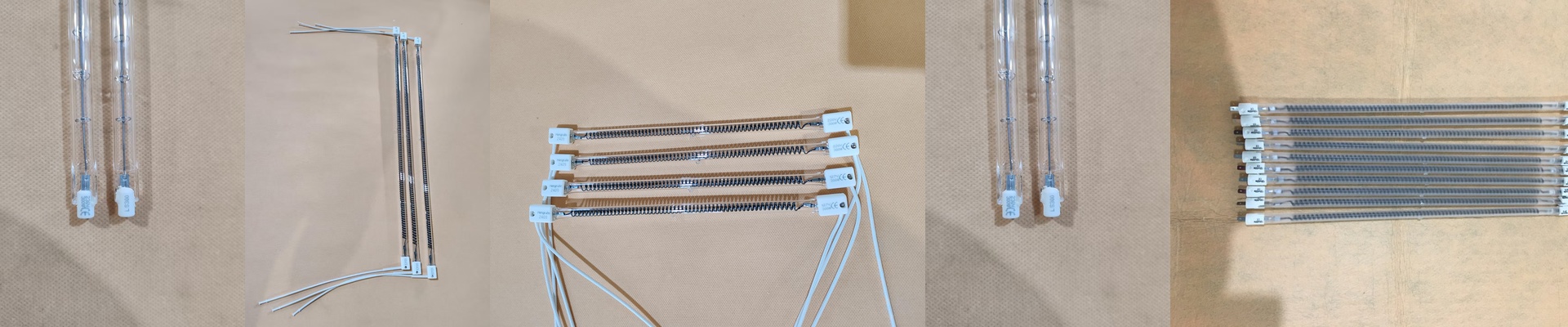
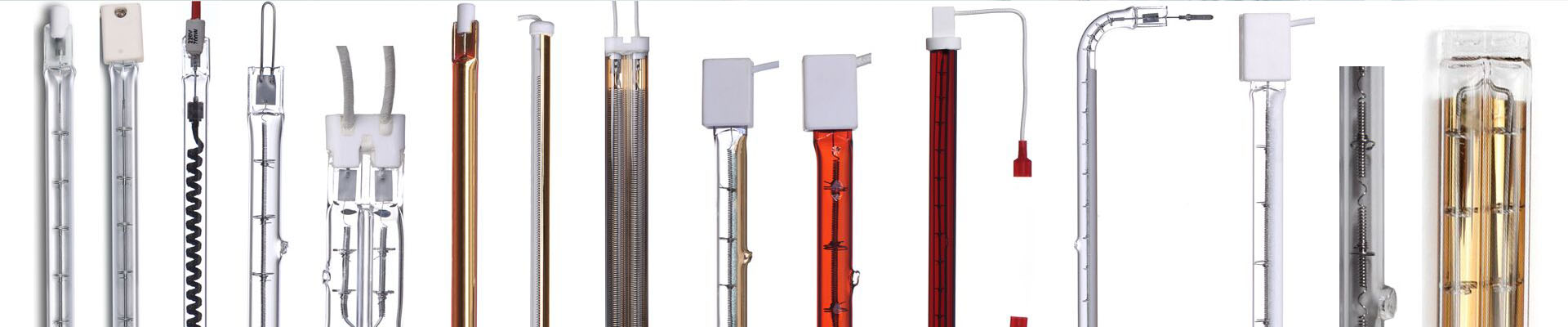
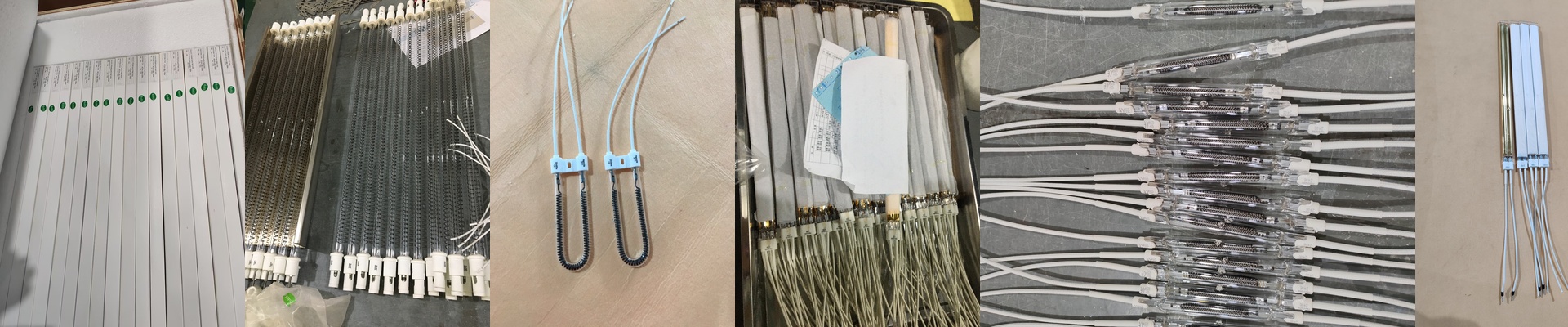
To keep your production line moving at the speed you’re used to, we look closely at the wattage-to-length ratio. Think of it this way: if you pop in a lamp with lower wattage but the same size, your ink takes longer to dry. That means your whole line slows down. We build our infrared tubes to match the original voltage and wattage exactly. It means you can just swap them in. No messing around with your control panels, no swapping transformers, and no headaches.
The build quality
We use high-purity quartz glass. Why? Because it lets the infrared radiation punch right through to the ink instead of getting trapped in the glass itself. For these MHM-compatible units, we use a halogen-cycled tungsten filament. It’s a fancy way of saying the filament doesn’t evaporate as fast, so the lamp lasts longer. Plus, they use standard industrial connectors. When it’s time for maintenance, you can get these swapped out and get back to printing in minutes.
A quick heads-up on the real world
High-wattage infrared setups put out a massive amount of heat. It’s powerful. But that power puts a lot of pressure on your ventilation. If your exhaust fans are clogged or just too weak, heat starts building up around the lamp housing. That’s usually when connectors start to burn out prematurely. We build these to handle the same heavy thermal cycling as the factory originals. You get the same professional cure without the “factory premium” price tag. Just make sure your power is stable and your cooling is doing its job.