Stop Overpaying for Your Dryer Lamps
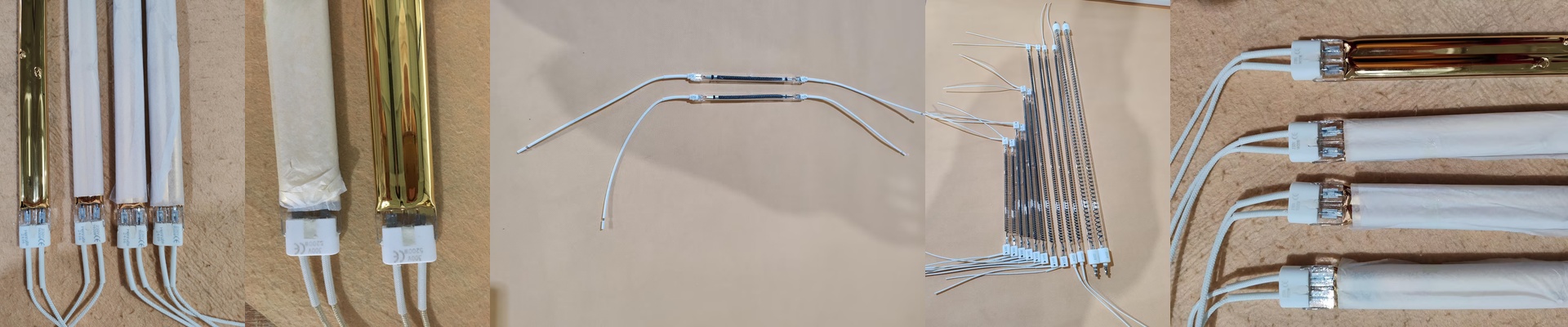
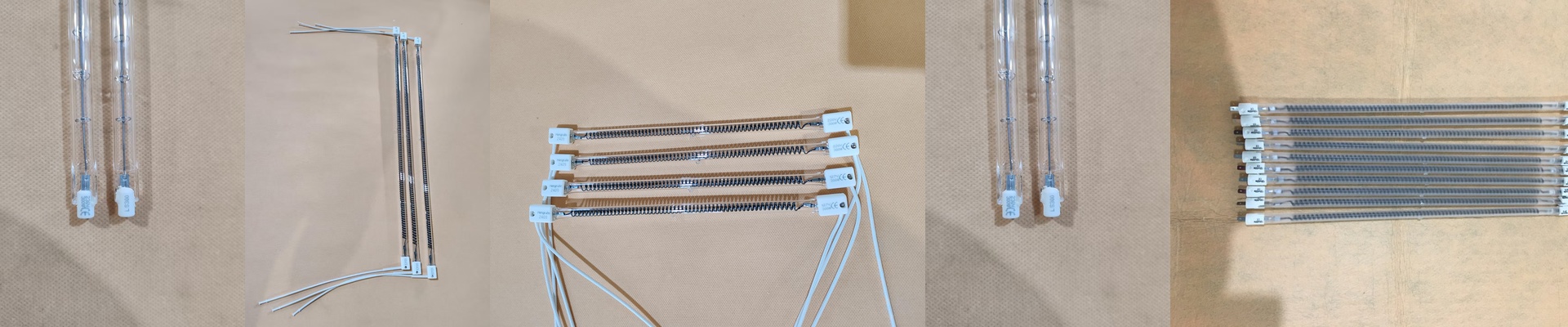
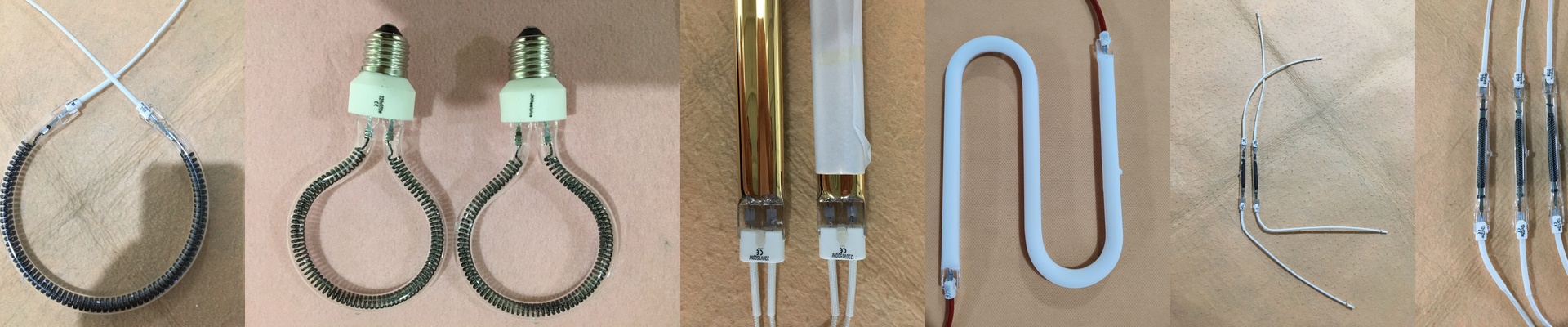
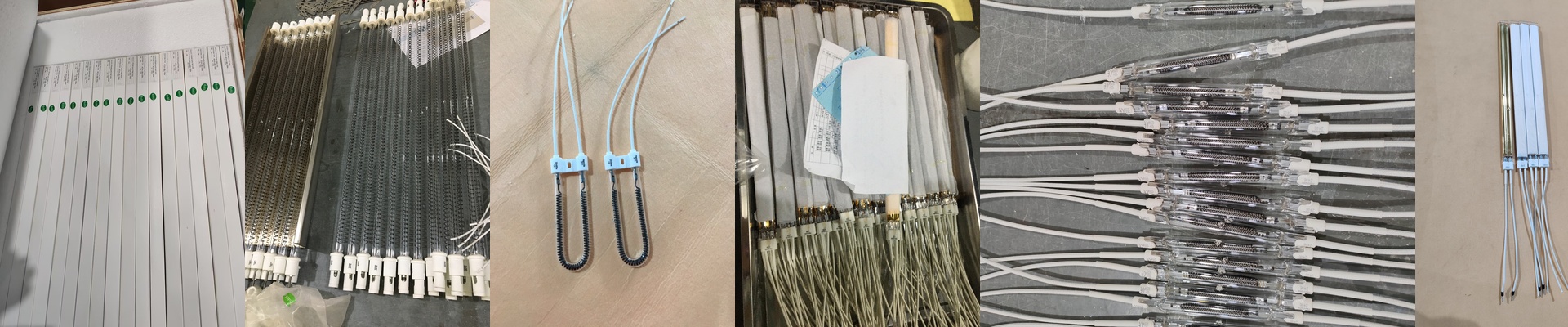
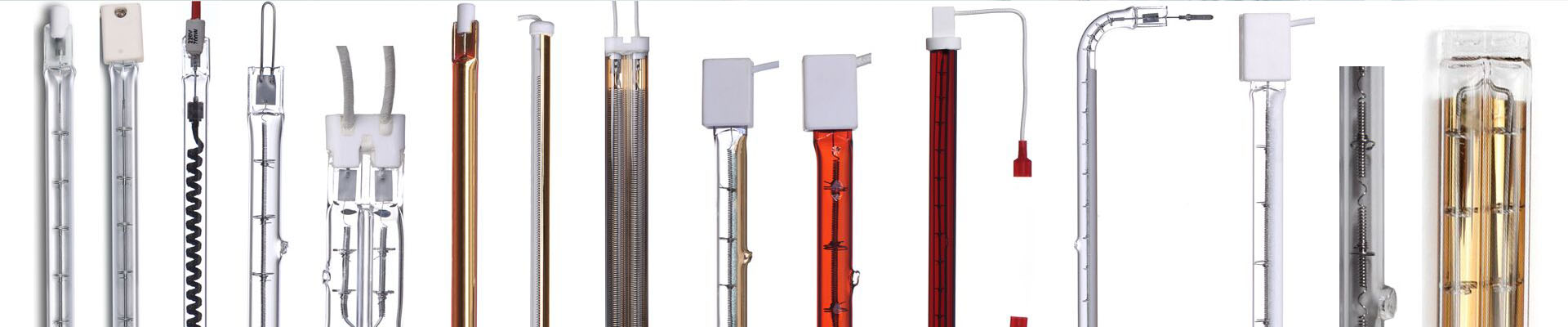
Let’s be honest. A lot of print shop owners are paying a massive premium for “original” dryer lamps because they think the brand name is what makes them work. But here is the secret: these things are just standard industrial parts. Once you peel off the fancy logo, you’re looking at quartz glass, a tungsten filament, and a specific mix of gas. That’s it. The truth about the heat In digital textile printing, you need the ink to set right now so it doesn’t bleed. We use short-wave infrared (SWIR) lamps to get that done. It all comes down to power density. If you take the wattage and divide it by the length of the tube, you get your heat flux. Simple. If a generic lamp has the same wattage and voltage as the expensive one, it’s going to put out the exact same amount of thermal energy. Physics doesn’t care whose name is on the box. The nuts and bolts Most of these units use high-purity quartz. Sometimes we add a special coating to the glass to tweak the heat spectrum or just to keep ink splatter from ruining the tube. As for the connectors—things like R7s or SK15—they’re industry standards. They’re built to fit securely and keep the electricity flowing. If the pins match and the voltage is right, it just slides right in. No fuss. The real trade-offs Now, you might be tempted to go for the highest wattage possible to speed up your line. Sure, it dries faster. But keep in mind that puts way more stress on your power supply and your cooling fans. And here is a pro tip: keep your reflectors spotless. If they get dusty, your efficiency tanks. It doesn’t matter if your lamp cost $50 or $500—if the reflector is dirty, you’re wasting energy. We build our lamps to the same tight tolerances as the big-name brands. You get the same heat, the same results, and a lot more money left in your pocket.