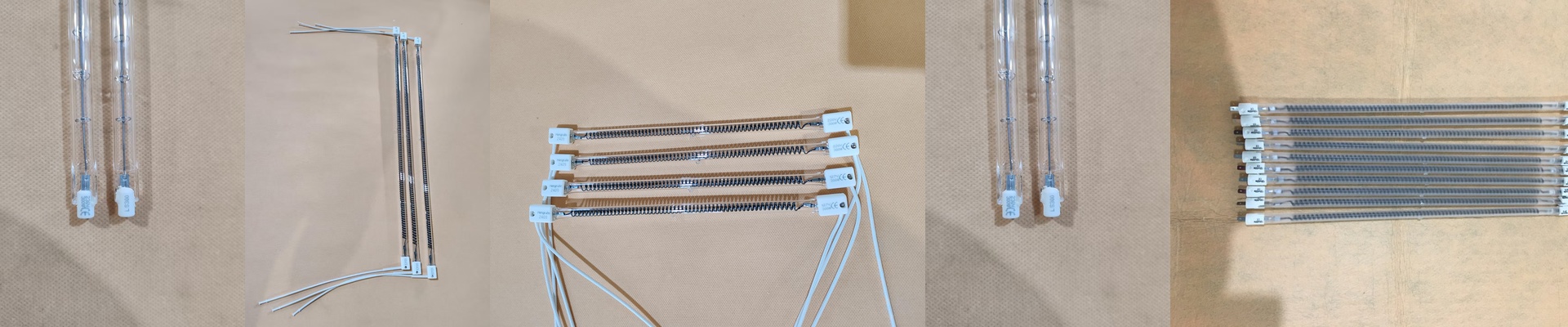
Let’s Talk About Carbon Fiber IR Heating
Most people are used to the old quartz or halogen lamps—the ones with the thin metal wires. We do things a bit differently. We use a conductive carbon filament. It’s a simple swap, but it makes the heat hit faster and harder.
The Nitty-Gritty on Power
Here is the thing: how these heaters perform comes down to the weave of the fiber and how long the element is. If you go for a high-wattage unit, you’re basically cranking up the heat flux in every square centimeter. Now, higher voltages are great because you can run longer lines without losing power, but be careful. That puts a lot of stress on your insulation. And a pro tip? Make sure your power supply matches the lamp’s impedance. If you don’t, you might just fry the filament the second you flip the switch.
How They’re Actually Built
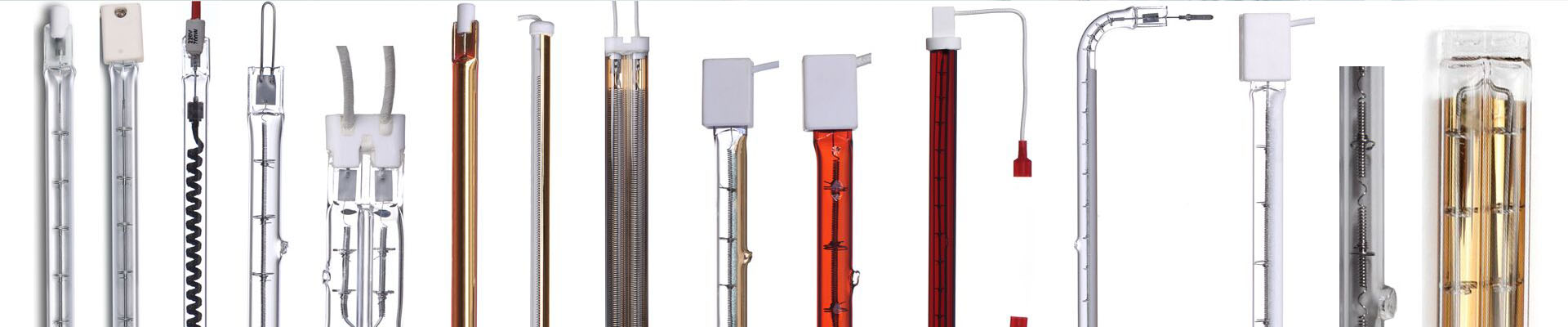
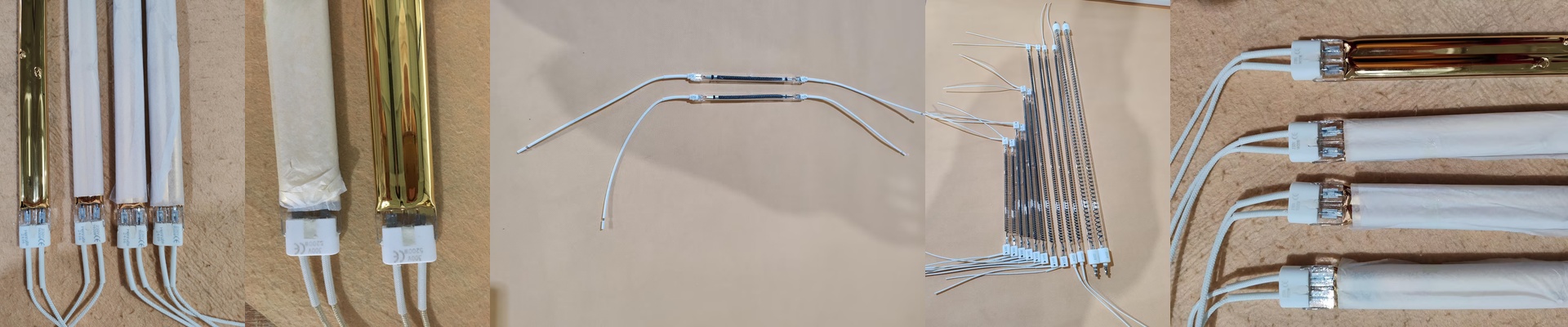
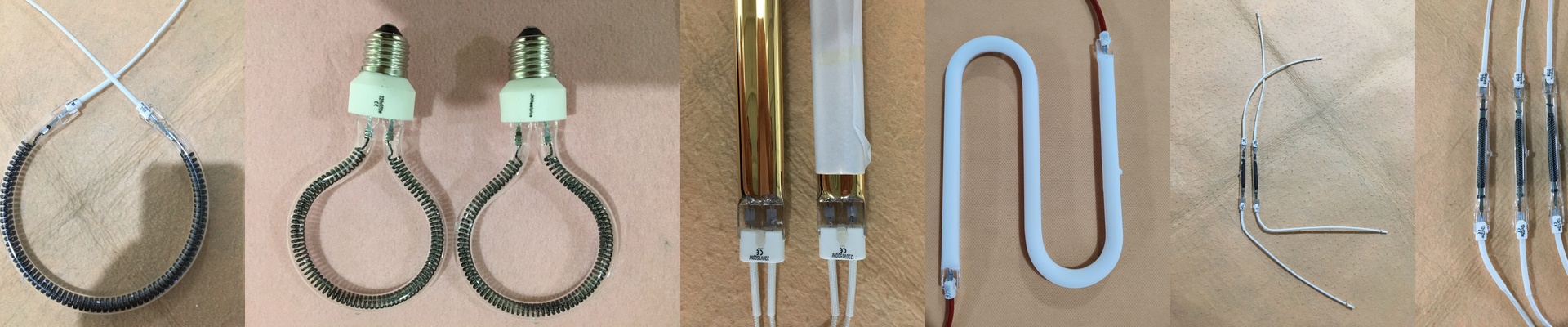
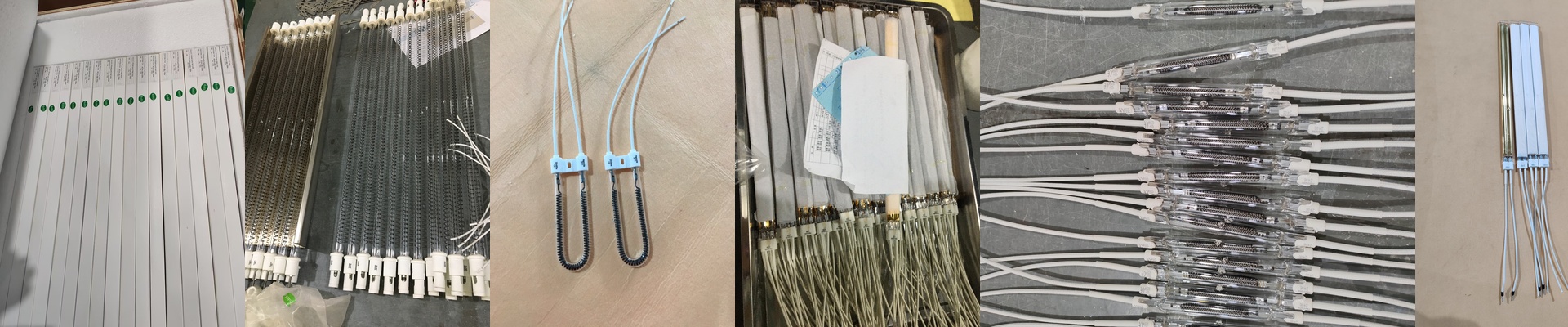
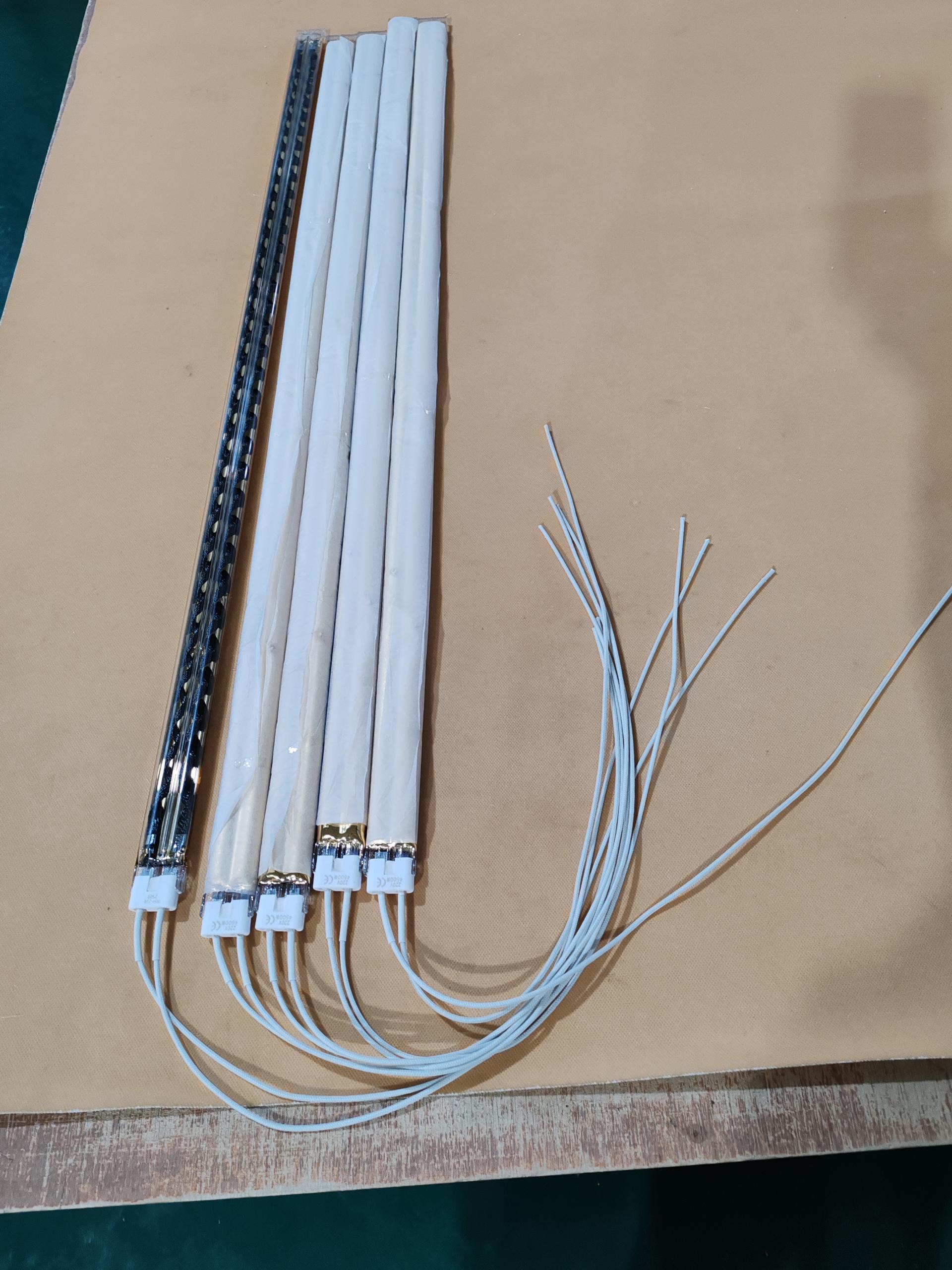
Inside every one of these is a carbon fiber core tucked inside a high-purity quartz tube. Carbon fiber is the secret sauce. It handles the “stretch and shrink” of heating and cooling way better than tungsten. You can flip these on and off rapidly, and the element won’t just snap. It’s tough. Depending on what you’re doing, we can add a coating to the tubes. A gold or reflective finish pushes the heat forward. It stops the energy from leaking backward and baking your mounting brackets. As for the plugs, we stick to the basics like R7s or Sk15. That means you can usually just pop these into your existing setup without having to rip out all your wiring.
Putting Them to Work
If you’re blowing PET bottles or curing plastics, these are your best bet. The shortwave radiation just dives right into the material. It’s incredibly efficient. But there is a catch. These heaters put out an intense, concentrated blast of heat. If your reflectors are crooked or your cooling fans are wheezing, you might actually warp the frame of your machine. Just give the lamp enough breathing room from the workpiece. Your quartz envelope will thank you.