Getting the Heat Right: Why We Use Quartz Carbon IR Lamps in Laminating
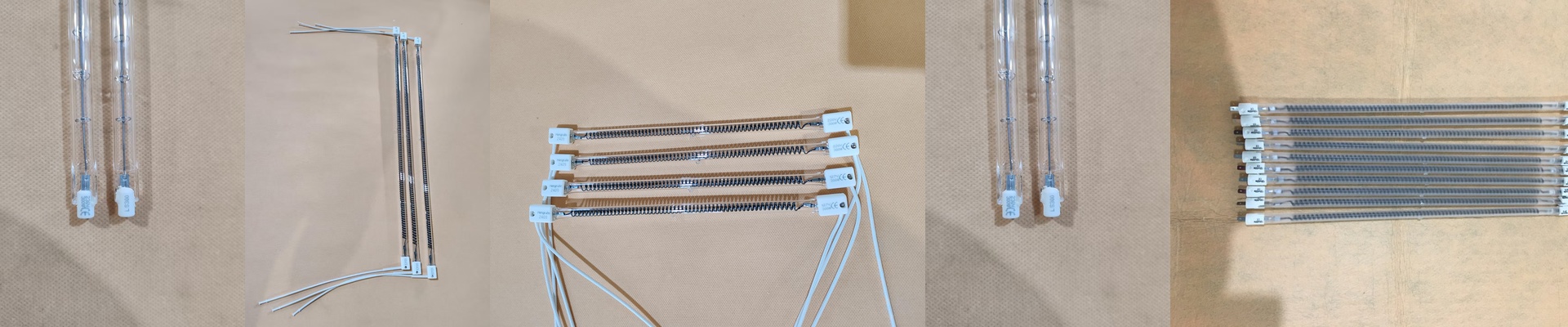
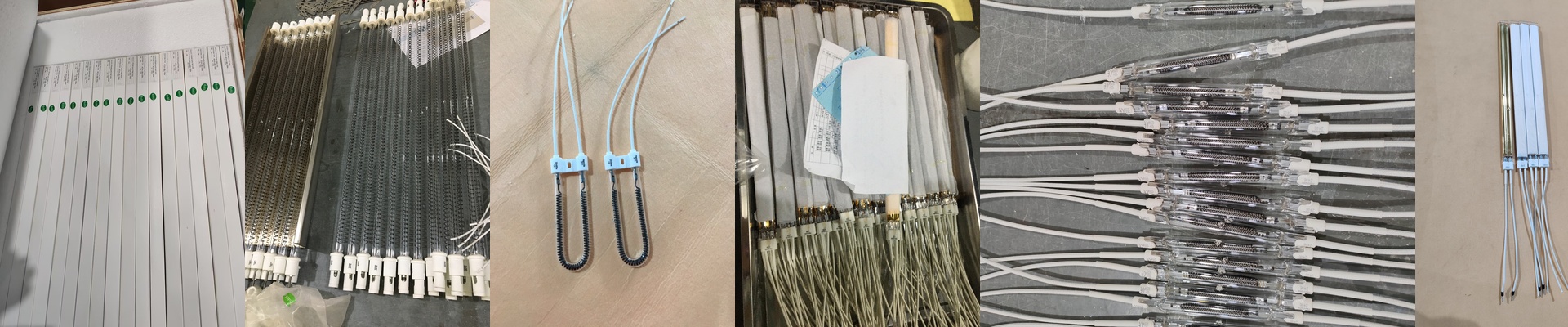
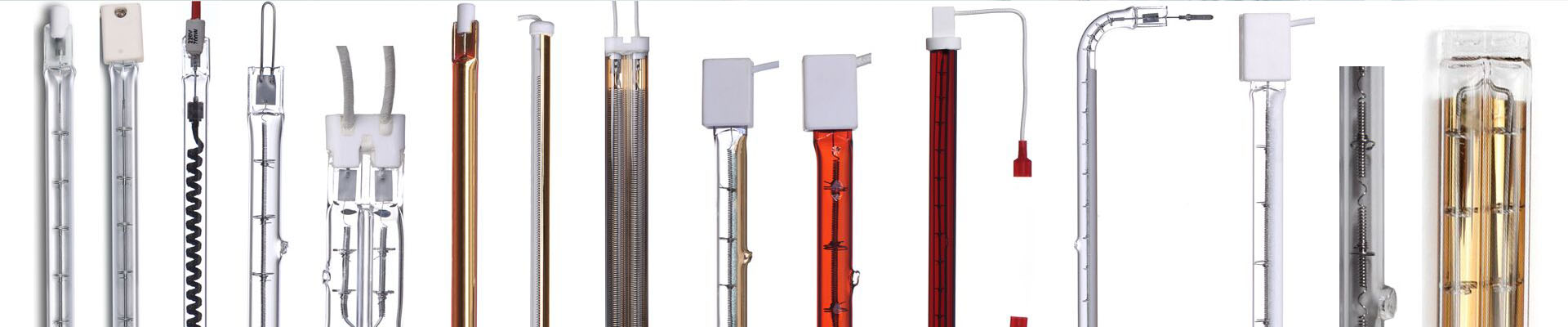
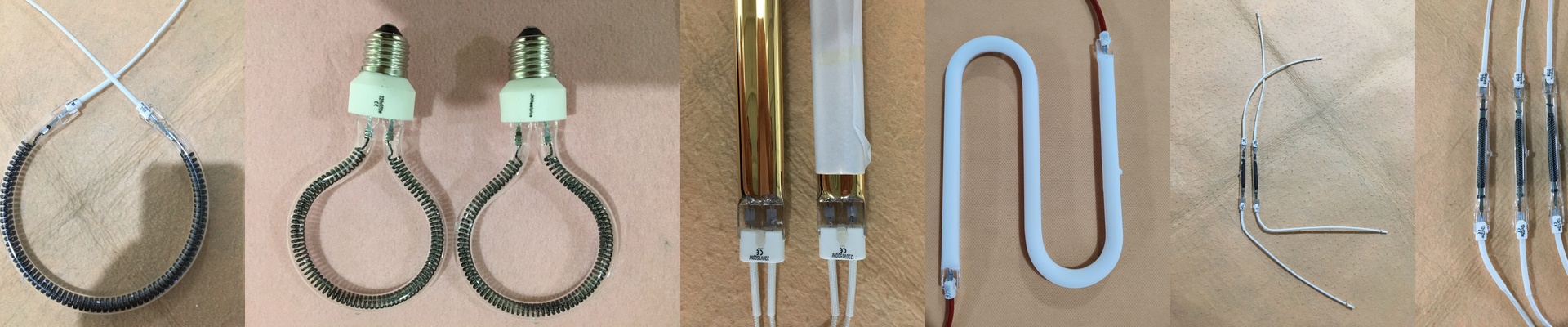
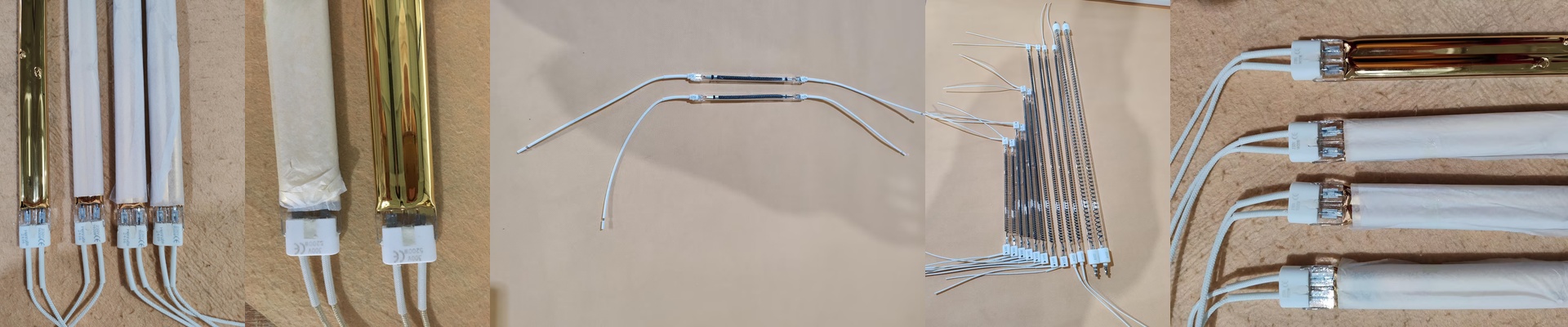
When you’re laminating, you’re basically playing a balancing act. You need enough heat to get that film to bond perfectly, but if you go overboard, you’re just scorching your material. It’s a tight window. That’s why we rely on quartz carbon infrared lamps. Instead of the old-school metal filaments, these use carbon elements tucked inside high-purity quartz glass. The science of the heat Here’s the thing about carbon filaments: they don’t actually run as hot as tungsten, but they’re way better at pushing out medium-to-long wave infrared energy. Why does that matter? Because that specific kind of heat sinks deeper into the adhesive. It doesn’t just sit on the surface. But you have to be smart about how you set them up. If you’re running a high-speed line, you can’t just throw the highest wattage lamp in there and call it a day. You’ve got to balance the power against the length of the tube. If you don’t, you’ll get hot spots. Plus, if you push the voltage too hard, you’re just asking for the filament to burn out early. The build and the fit The quartz glass isn’t just there to keep the insides safe. It’s designed to let that IR radiation fly right through without soaking it up. We even add specific coatings to the glass so the heat actually hits the film, rather than wasting energy warming up the machine’s frame. As for plugging them in, we usually stick with R7s or SK15 bases. They just work. They slide right into most industrial sockets and stay tight, which means you don’t have to worry about electrical arcing when the current gets heavy. The reality of using them The best part? They heat up incredibly fast. You can get your machine up to temp in a fraction of the time it takes for those clunky resistive heaters to wake up. But—and this is a big but—these lamps are delicate. One hard bump during installation and you’ve cracked the quartz or shifted the filament. And for the love of everything,wear gloves. If you touch the glass with your bare hands, the oils from your skin create tiny hotspots. Once the lamp heats up, those spots can cause the glass to fail. One last tip: check your cooling fans. Make sure they’re actually beefy enough to handle the heat that builds up around the housing, or you’ll be dealing with a much bigger headache down the road.