Getting Your Tunnel Furnace to Actually Stay Stable
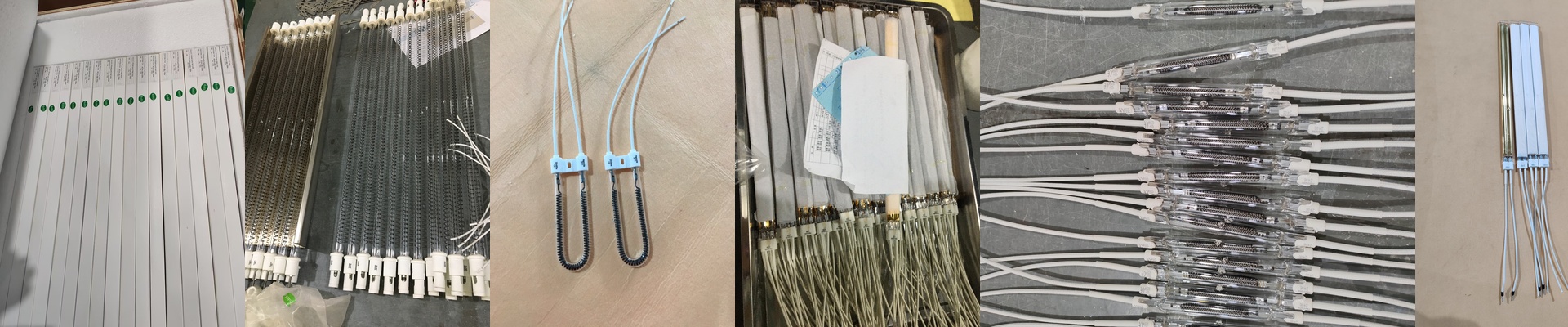
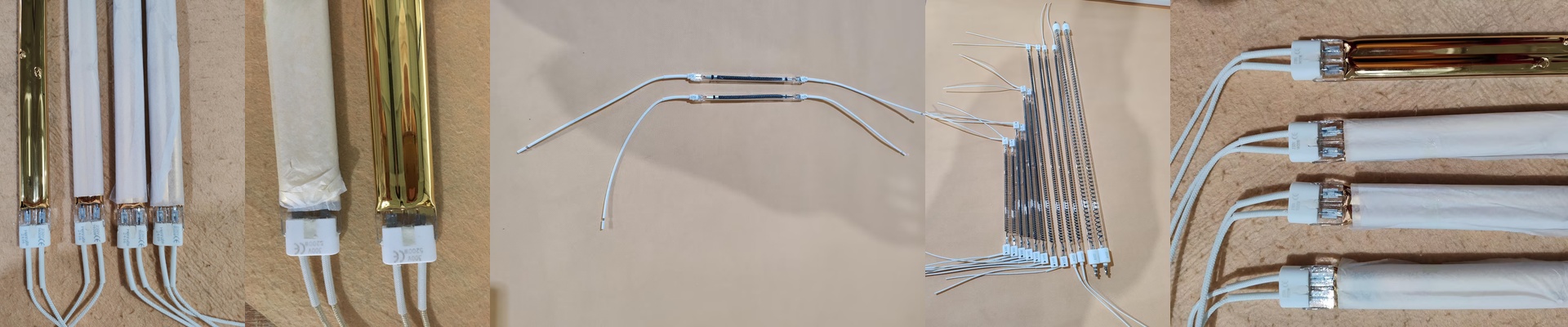
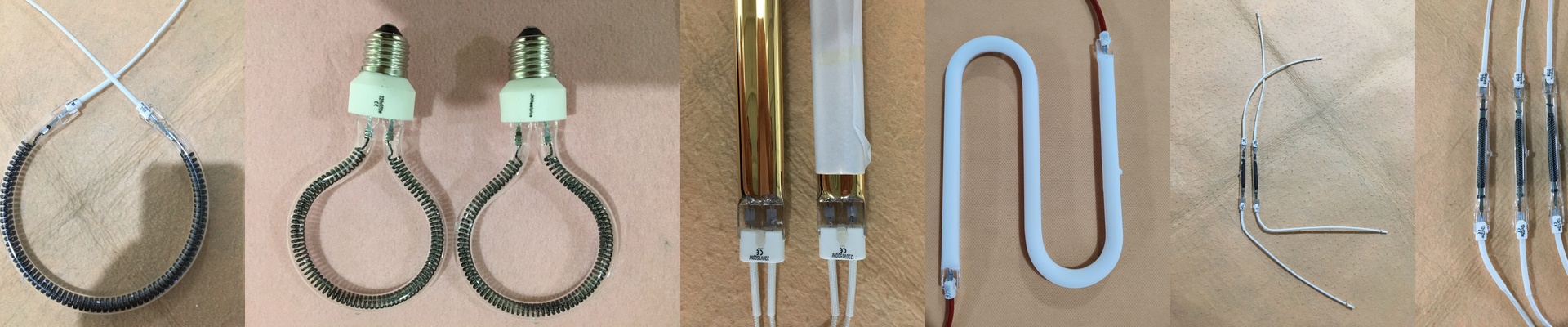
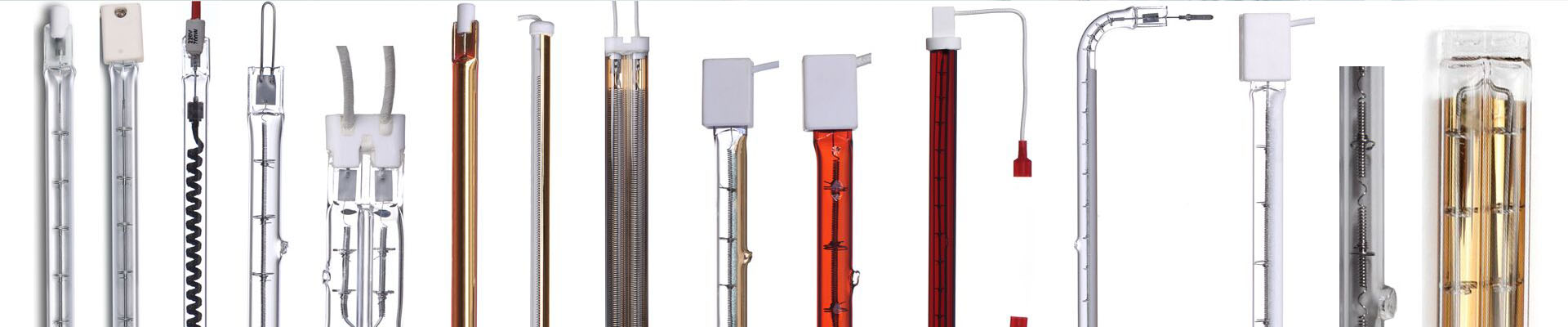
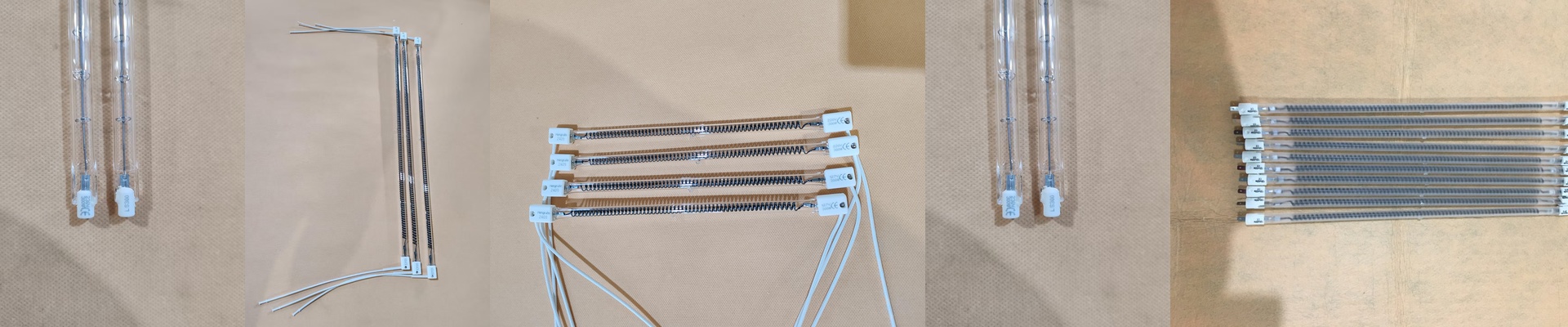
If you’ve ever managed a long-distance tunnel furnace, you know the drill. You spend half your shift worrying about those annoying temperature dips. It’s a constant headache for plant engineers—trying to keep the heat consistent from one end to the other without everything going sideways. When we look at Adelco drying ovens, the real battle isn’t just about cranking up the heat. It’s about making sure that heat is the same everywhere and that your lamps don’t burn out the second you put them under a real load. The secret to the heat To get the kind of heat density you need in an Adelco-style setup, we lean on shortwave infrared (SWIR) flash lamps. Instead of just warming up the air—which is a waste of time—these lamps push energy straight into the material. We pack in a lot of wattage. Why? Because it kills those “cold spots” that always seem to pop up right in the middle of long tunnel sections. No need to rip out your wiring Nobody wants a massive project just to upgrade a few lamps. That’s why we build these as drop-in replacements. The length and the end-cap connectors match your existing racks exactly. You just swap them in. No rewiring the whole line, no downtime nightmares. We also use high-purity quartz glass. It keeps the lamps from giving up too early. One quick tip: if you’re pushing high voltage to get more power through a long tube, keep a close eye on your power supply. A tiny spike—even just 5%—can eat away at the life of your lamp. The trade-offs (and how to handle them) Here’s the thing: these lamps put out a massive amount of heat. It’s great for speeding up your curing or drying, but it puts your ventilation to the test. You’ve got to make sure your exhaust can actually handle the buildup. If it can’t, you’re just going to bake your own lamp housings. But the payoff is worth it. We focus on keeping the light output steady over the entire life of the lamp. That means you stop dealing with that annoying “drift” where the temperature crawls away from you. You won’t have operators tweaking settings every few shifts just to keep things on track. You just wire it up, set your PID controller, and let it run. Simple.