Getting the Heat Right: IR Lamps and Air Knives
When you pair high-intensity infrared (IR) lamps with an air knife, you aren’t just piling on more equipment. You’re actually playing a game of balance with heat. Think about high-speed lines—like blowing PET bottles or coating car parts. You need the surface to hit a very specific temperature. But there’s a catch: if you miss the mark, you’ll either melt the plastic or burn the finish. It’s a tight window.
How it actually works
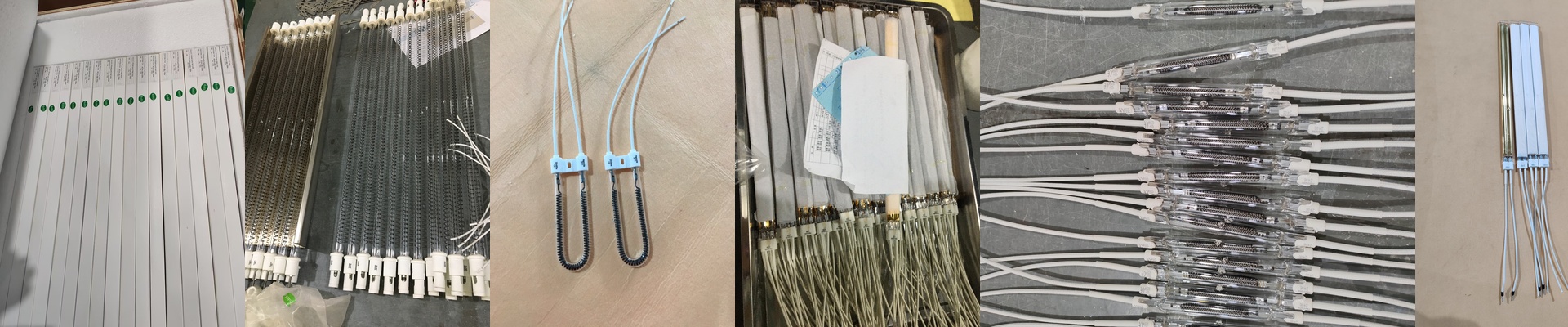
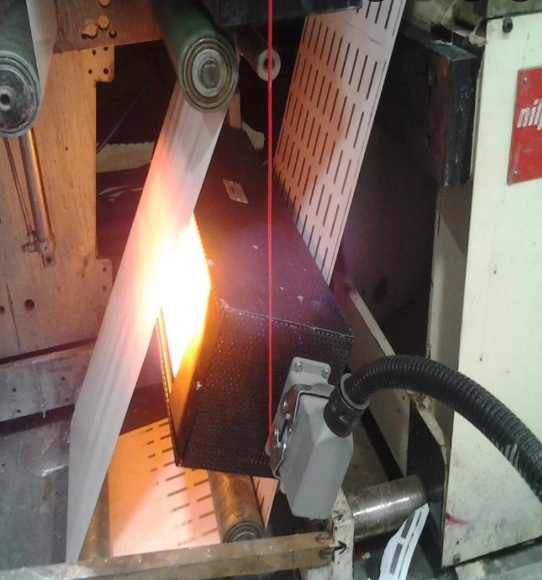
IR lamps are great for pushing heat deep into a material. But here’s the problem: when you cram a lot of wattage into a small space, the surface can get scorching hot before the core even feels it. That’s where the air knife saves the day. It blows a thin, fast sheet of air across the heated area, stripping away that layer of stagnant, boiling air that clings to the part. It keeps the surface from burning and makes sure the heat is spread evenly. It’s the difference between a scorched mess and a perfect finish.
Picking your gear
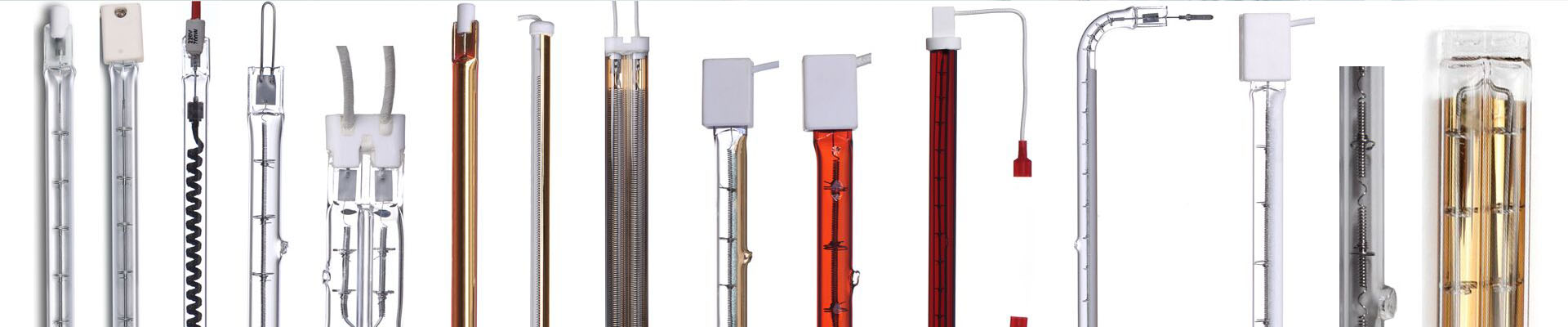
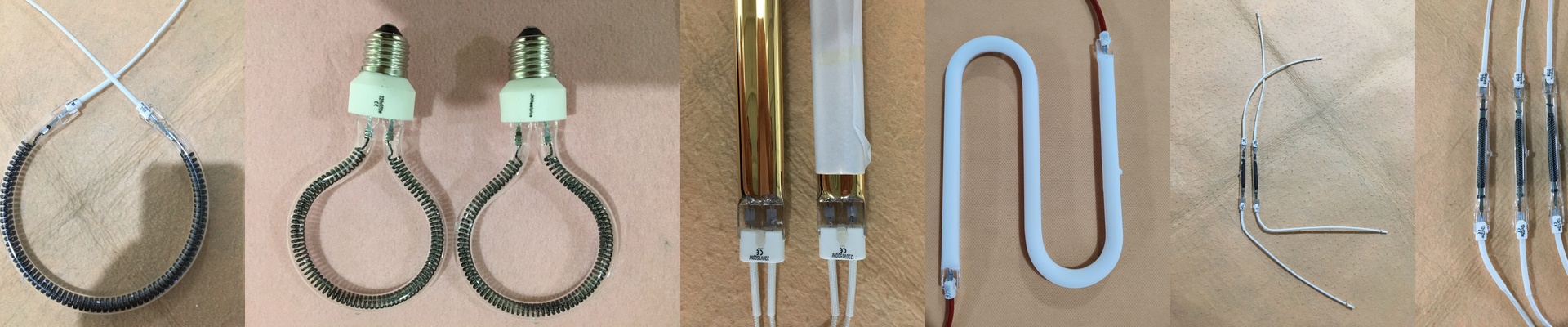
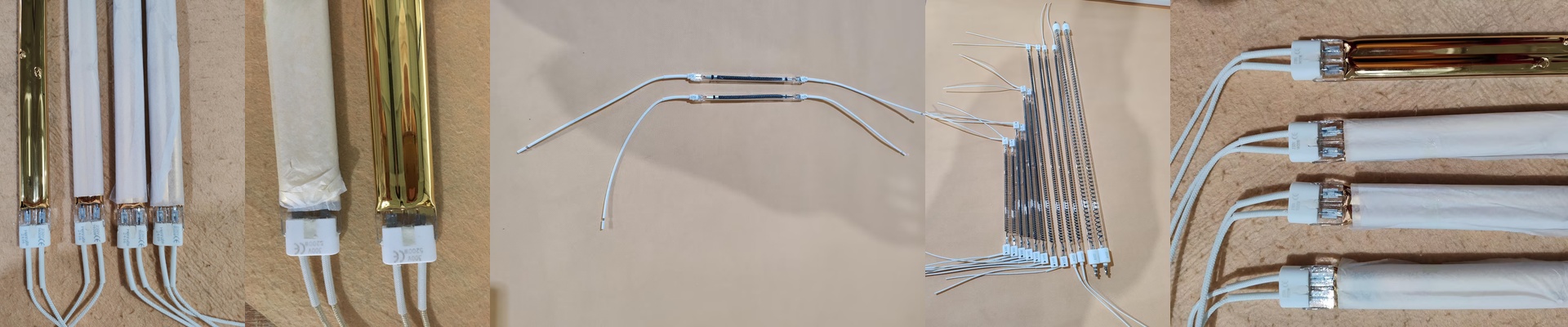
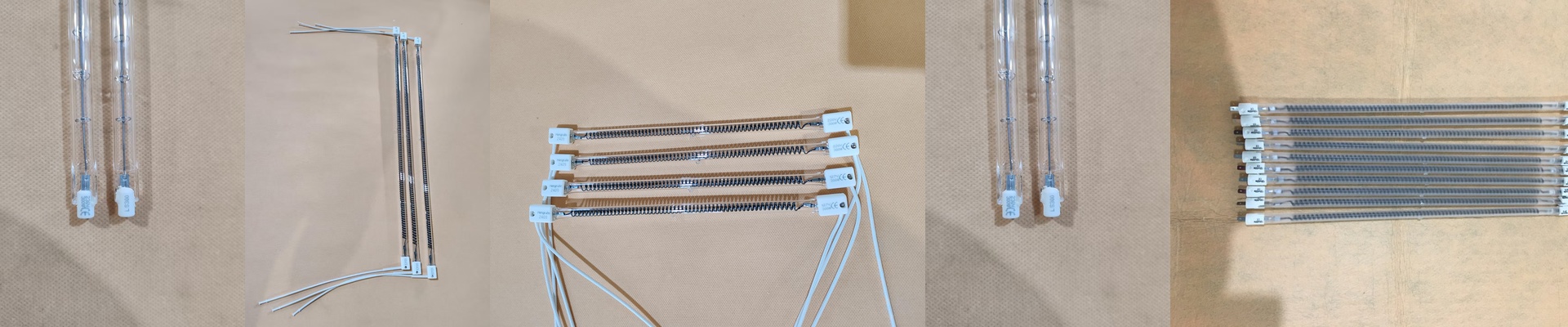
You can’t just grab any lamp and hose. It comes down to the spectral output and the air pressure. I usually go with shortwave IR lamps because they ramp up fast—perfect for those quick cycles. We use quartz envelopes too, mostly because they don’t crack when the temperature swings wildly. But you have to be careful with the wattage. A 2kW lamp puts out a massive amount of heat. If your air knife isn’t pushing enough air (we’re talking CFM here), you’re going to get hot spots. On the flip side, if you overdo the cooling, you’re just fighting your own heater and wasting power.
Real talk from the shop floor
When you’re actually wiring this thing up, keep the layout tight. And remember: lamps are consumables. They will burn out. Treat them like lightbulbs—design the system so you can just pop a new one in. Using standardized connectors makes those swaps way less painful. One thing to watch out for? Turbulence. If your parts are lightweight, that blast of air can actually knock them off the conveyor. If that happens, don’t panic. Just tweak the nozzle angle or dial back the pressure. You want a breeze that cools, not a windstorm that throws your product across the room.