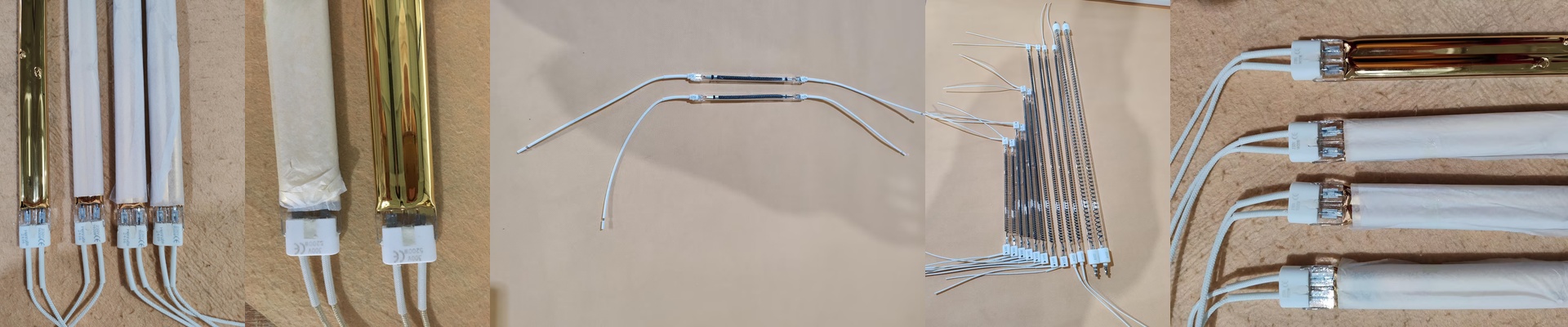
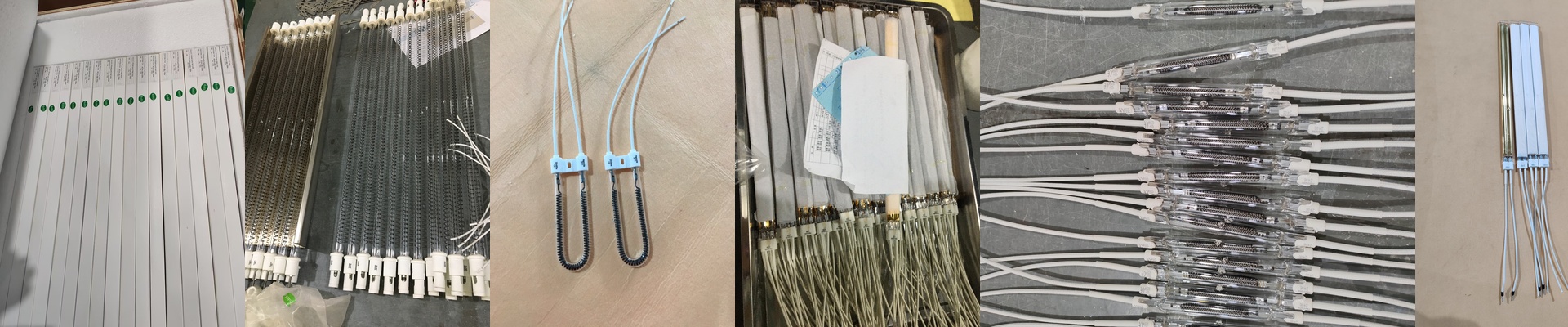
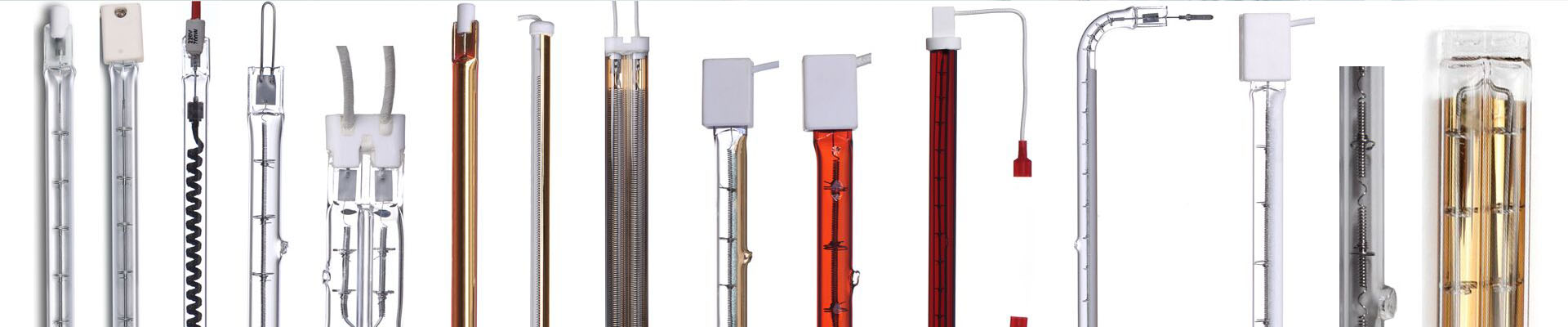
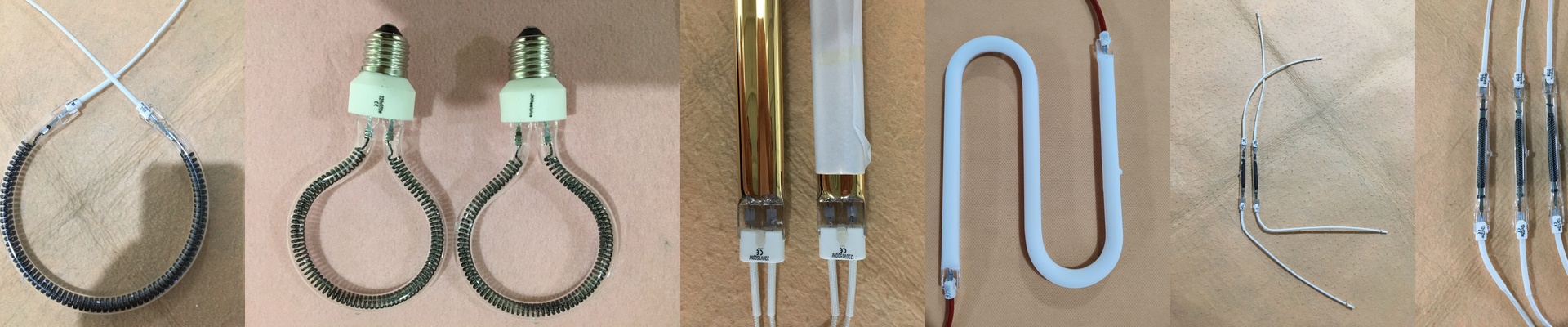
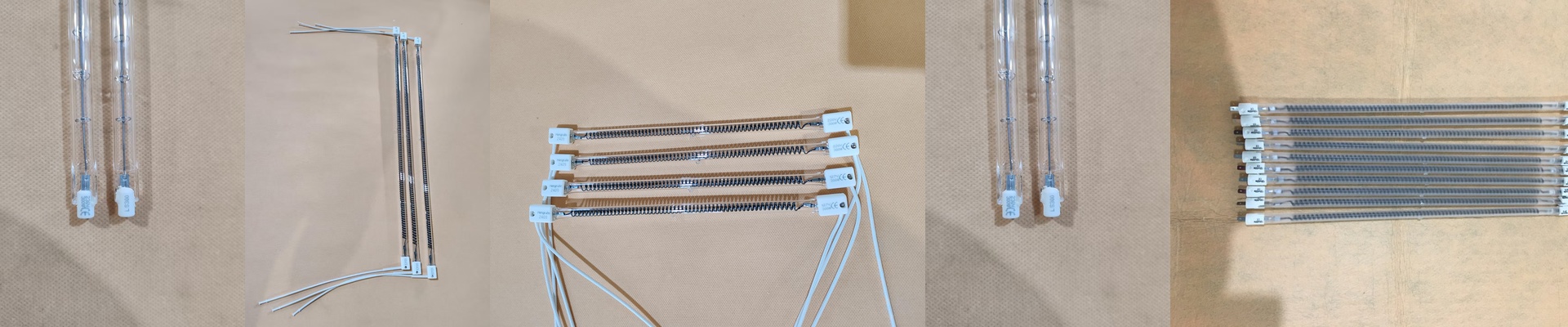
Getting the Fit Right: KTK Elliptical IR Heaters
If you’re swapping out IR lamp components in a KTK elliptical press, you already know that just matching a part number isn’t enough. It’s not that simple. To get a true “drop-in” replacement, that protector mesh has to line up perfectly with the lamp footprint and the brackets. Why? Because any little gap is an open door. One stray drop of ink or a bit of debris hitting that quartz tube creates a hot spot. And once you have a hot spot, your lamp is going to burn out way sooner than it should. The deal with the mesh The mesh does two things: it keeps the tube safe and helps spread the heat. We use stainless steel or nickel-plated alloys because they can handle the heat without rusting or breaking down. There’s a bit of a balancing act here. If the weave is too tight, you’re blocking the IR radiation. If it’s too loose, you’re not protecting the tube. We’ve dialed in the aperture size so you get the maximum amount of heat through while keeping the junk out. Making it work with KTK KTK machines have their own specific geometry. When we talk about a 1:1 fit, we mean it matches the original specs down to the millimeter. This is the part you’ll actually love:no drilling new holes and no messing around with the chassis. We also leave a tiny bit of breathing room. If the mesh is too loose, it’ll rattle and vibrate while the machine is running. Too tight? The metal expands when it gets hot and warps the frame. We’ve found the sweet spot. A few tips for the install Once you’ve wired up the lamps and slid the mesh in, take a second to check your reflectors. If the mesh is slightly off, it can cast shadows on the substrate. That leads to uneven curing, which is a headache nobody wants. One last thing. These protectors are great for stopping debris, but they can’t stop chemical vapors. Keep your exhaust system humming. If residue builds up on the mesh, your heat density drops, and you’re back to square one.