Stop Overpaying for IR Lamp Clips
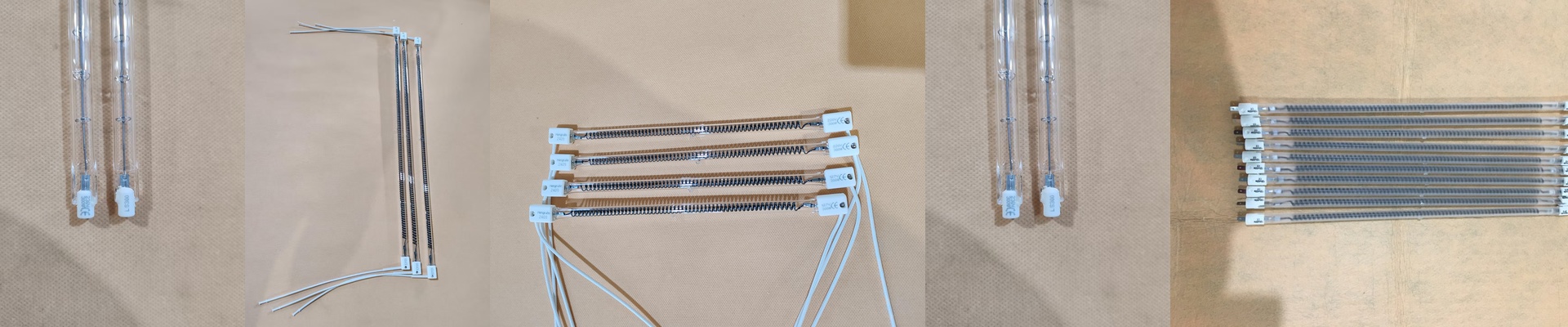
Let’s be honest: an IR lamp mounting clip is about as exciting as a paperclip. It’s a tiny piece of metal with one job—hold the quartz tube in place, handle the heat, and keep the electrical connection solid. But for some reason, a lot of printing plants are terrified of moving away from the OEM brand. There’s this lingering fear that a “generic” part will let the tube slip or, worse, cause a burnout. Here’s the thing: that fear isn’t about the metal. It’s about the branding. How these things actually work A good clip has to do two opposite things at once. It needs to grip the lamp tight enough so it doesn’t move, but stay loose enough to let the quartz expand as it heats up. If the metal is cheap or the fit is too tight, you get a stress point. Then, the next time the system cycles through temperatures, the tube snaps. Simple as that. We use high-temperature spring steel and specialized alloys that keep that tension without crushing the glass. When the materials and the specs match the original, the performance is exactly the same. Period. The “Brand Tax” Why the price difference? Usually, that “original brand” premium is paying for a marketing budget and a fancy distribution network. It’s not paying for better physics. A clip is a passive part. It doesn’t have a software update. There’s no complex circuitry inside. If the dimensions fit your lamp and the steel can take the heat, it works. You’re paying for a logo, not a magic alloy. The catch (because there’s always one) Now, I’m not saying you should just buy the cheapest pile of metal you find online. You have to be smart about it. If a clip is off by even 0.5mm, you’ll start seeing flickering or weird heat spots across your web. It’s annoying and it ruins your output. You’ve got to make sure the tension is dialed in for your specific lamp wattage. And if you’re running those high-wattage shortwave lamps? Heat dissipation becomes a big deal. My advice: check your contact points for oxidation every 500 hours. It takes two minutes and saves you from a localized overheat that could shut down your whole line.