Getting Carbon Fiber Curing Right in Your Spray Booth
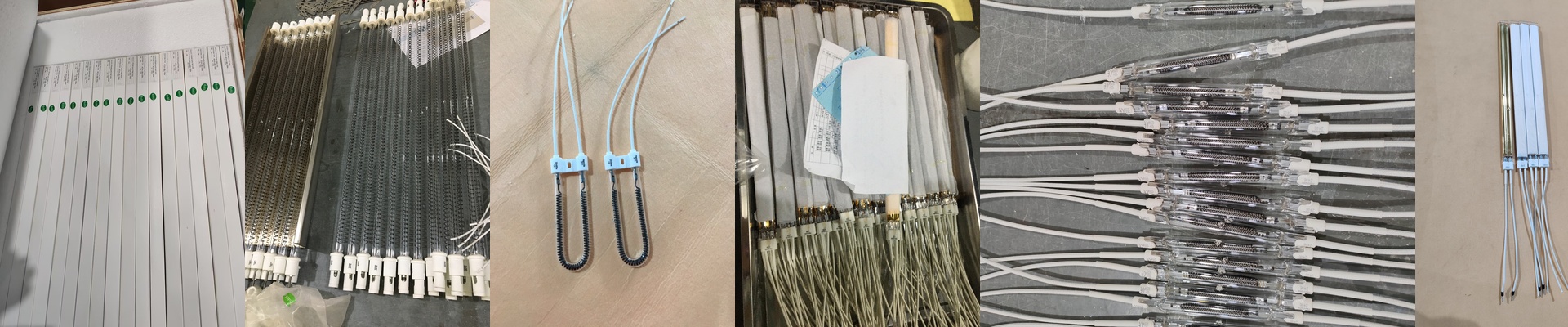
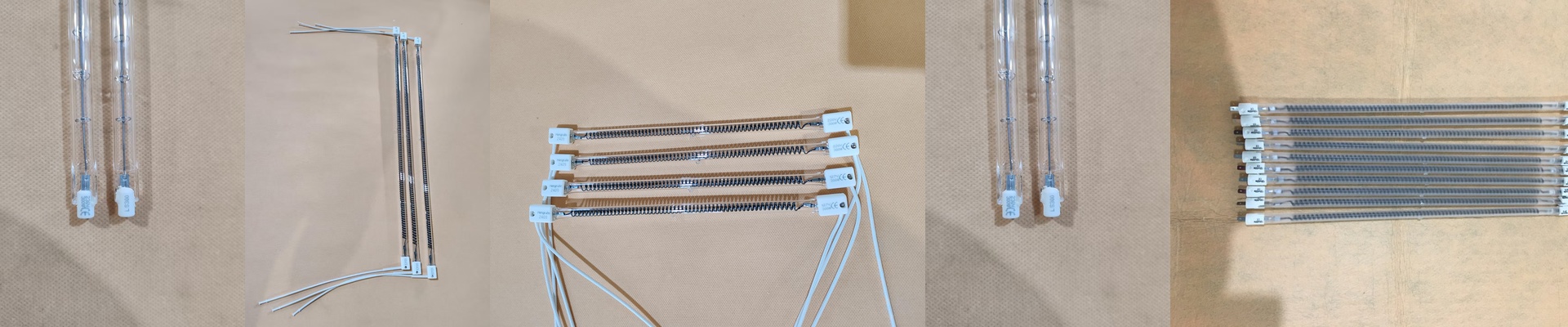
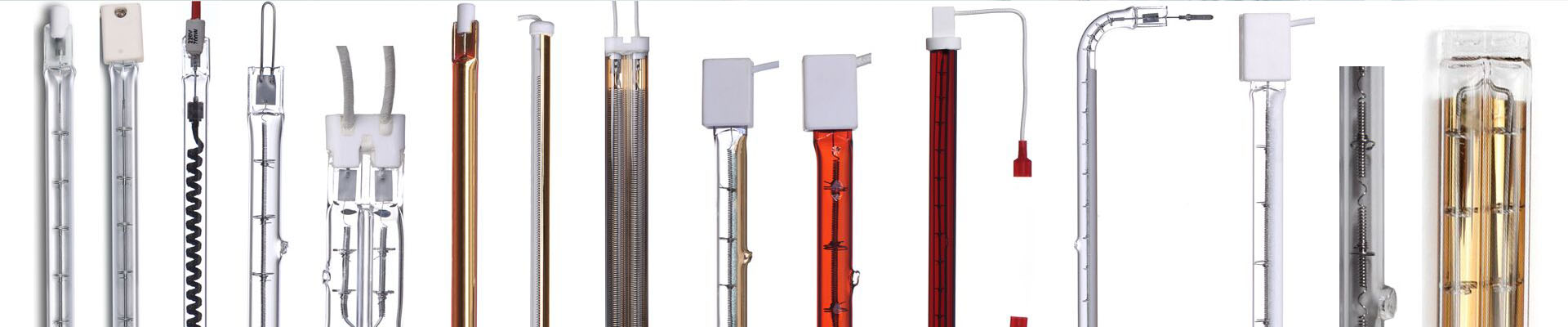
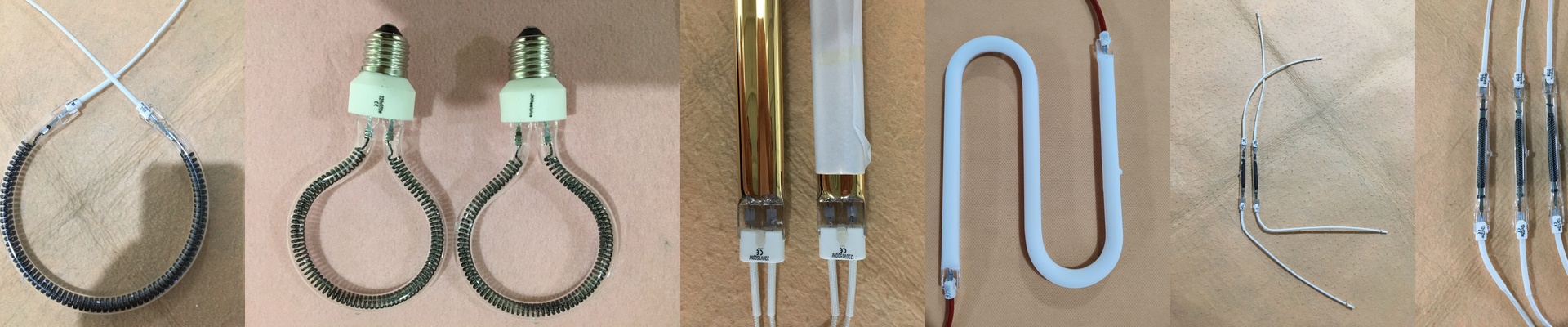
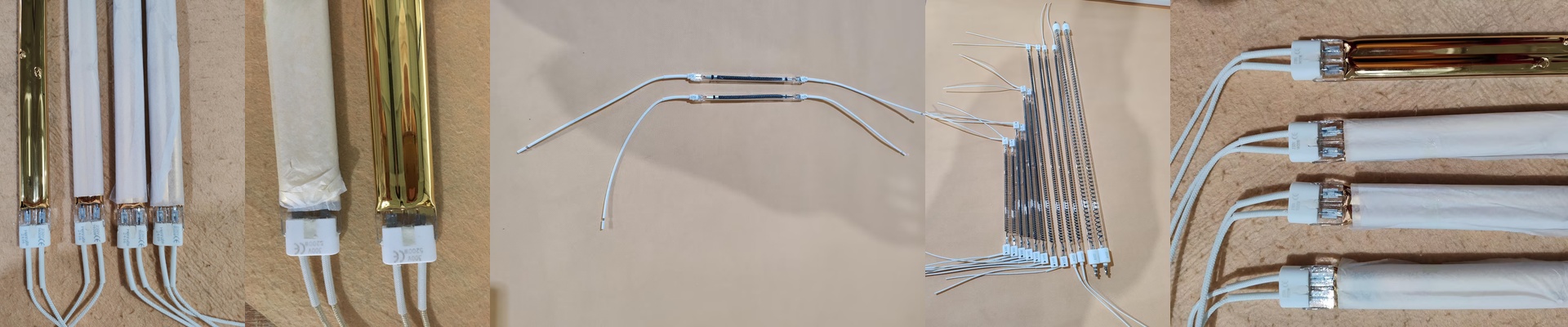
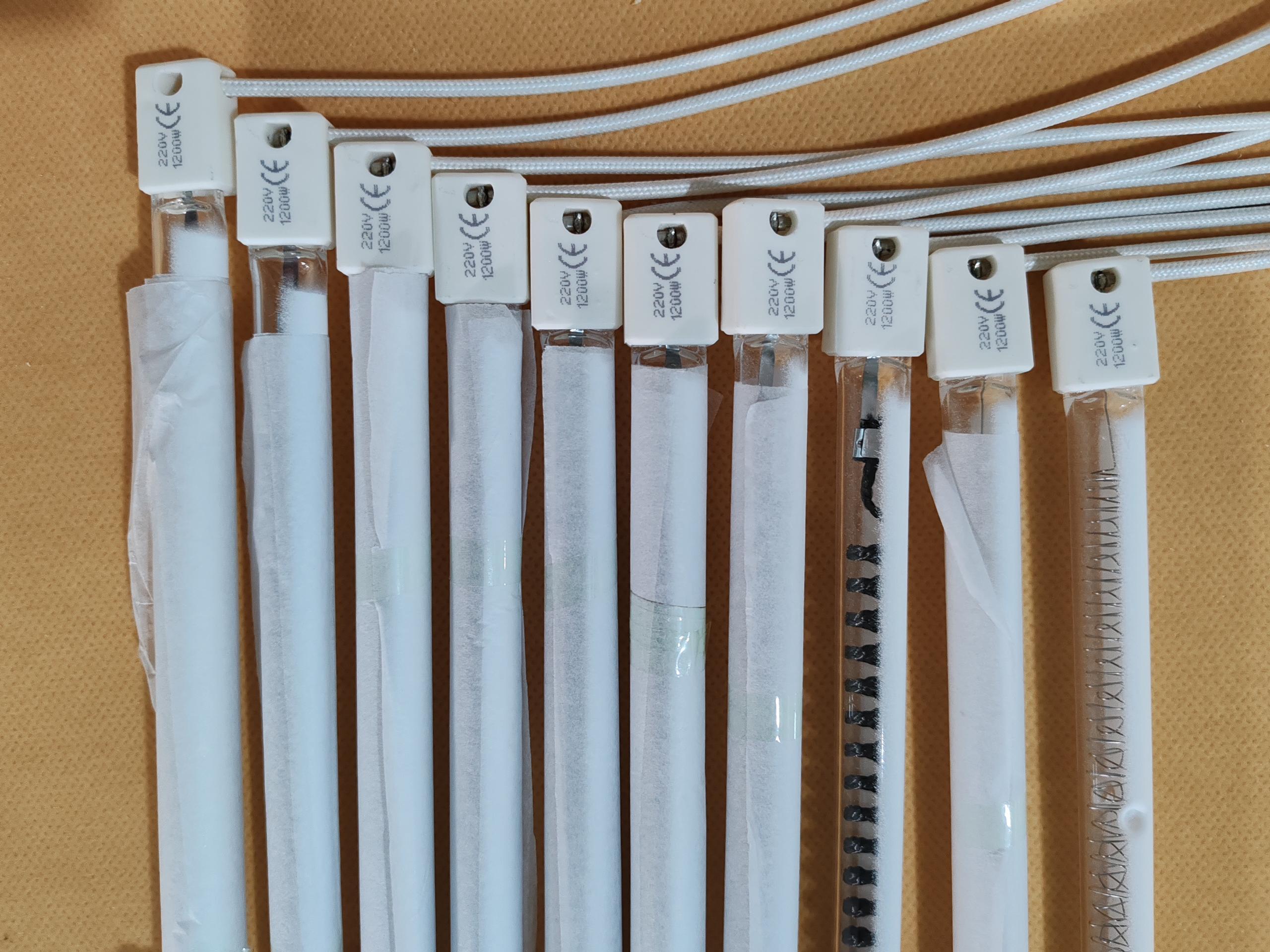
Curing carbon fiber in a spray booth isn’t as simple as just turning up the heat. If you don’t get the temperature exactly right, you’re looking at thermal stress or ugly surface defects. We build our heating systems to handle the way epoxy resins react—basically making sure the heat hits every curve and corner of your part evenly. The balance of heat and air You can’t just blast the heat. You need a steady climb up to the gel point. If you rush it, you’ll trap gases inside or end up with “print-through,” where the fiber pattern looks wonky. We aim for a tight window—usually within ±5°C. To hit that, you need high-wattage elements, but here’s the catch: you need a ton of airflow to match. Without it, you’ll get hot spots that literally scorch the resin. Not a good look. Dealing with the mess Let’s be honest: spray booths are messy. Overspray is everywhere. If paint or resin bakes onto your heating elements, they stop radiating heat properly and eventually just burn out. That’s why we use quartz or coated metallic elements. They can take a beating from chemical fumes and keep pumping out consistent infrared heat without giving up the ghost. The power struggle When it comes to setting this up on a production line, you’ve got a choice: direct-fired gas or electric infrared arrays. Electric is great because you can use zoned control. You can heat the top of a part differently than the bottom. But there’s a trade-off. These systems pull a massive amount of power. Before you plug everything in, double-check your shop’s electrical capacity. There is nothing worse than tripping a breaker right in the middle of a ramp-up cycle and having to scrap the entire part.