
Getting Your 8mm Quartz IR Tubes Exactly Right
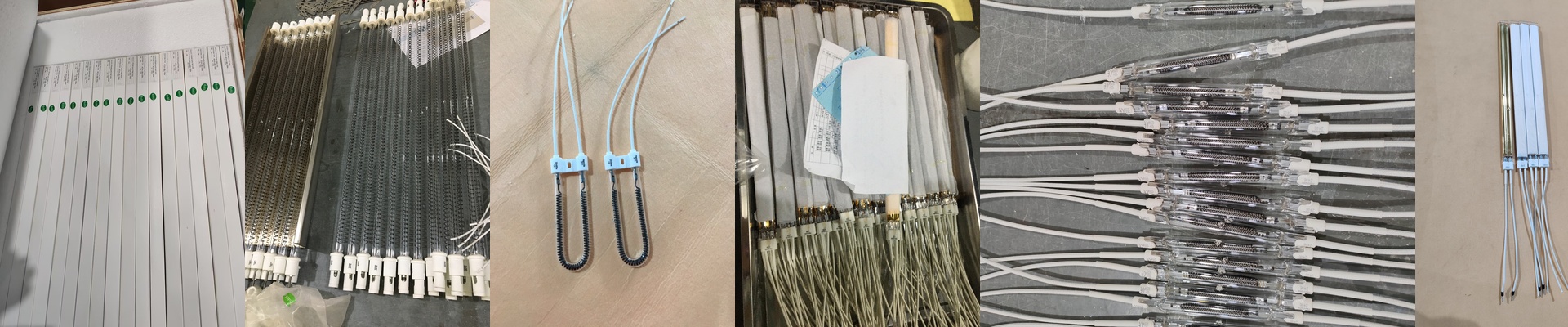
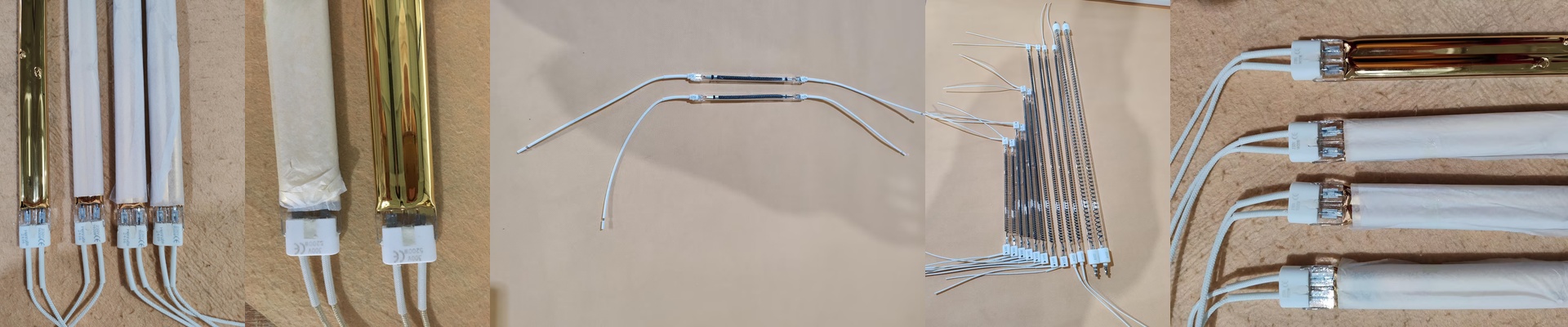
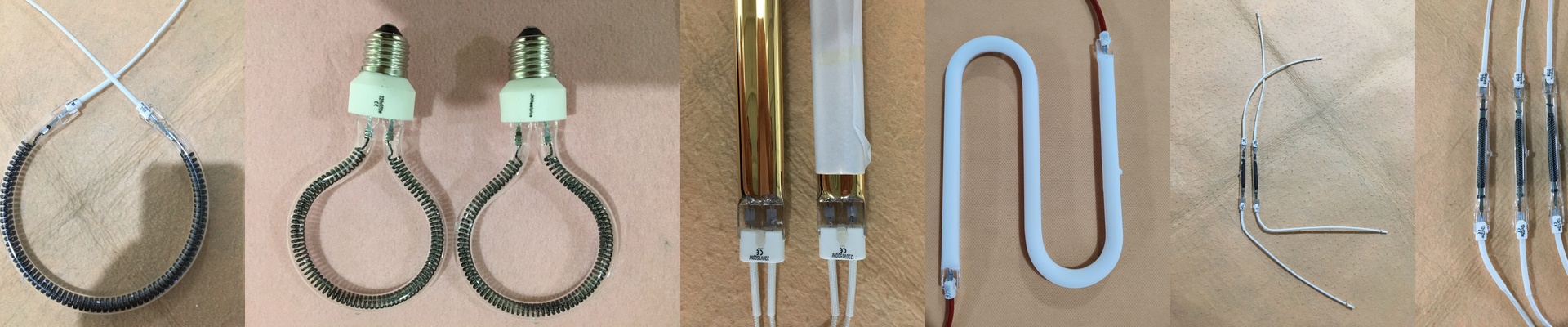
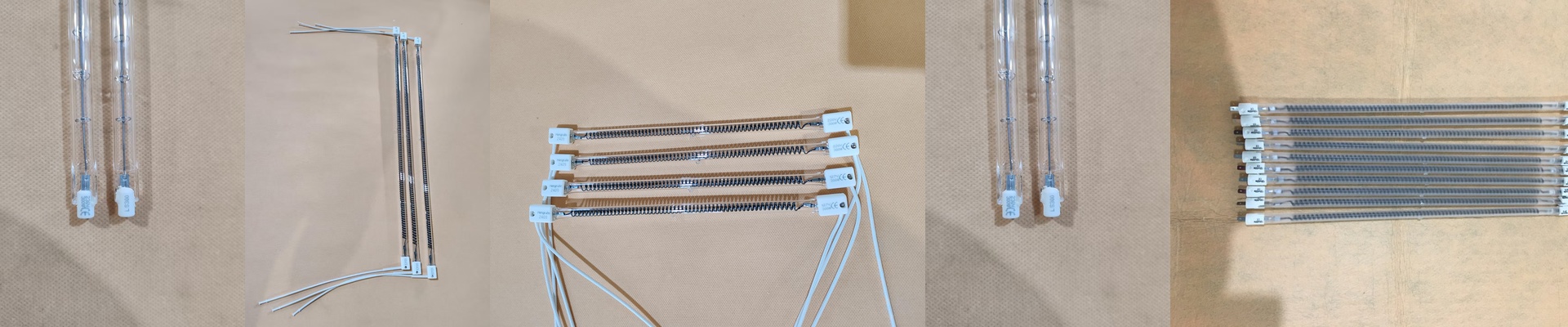
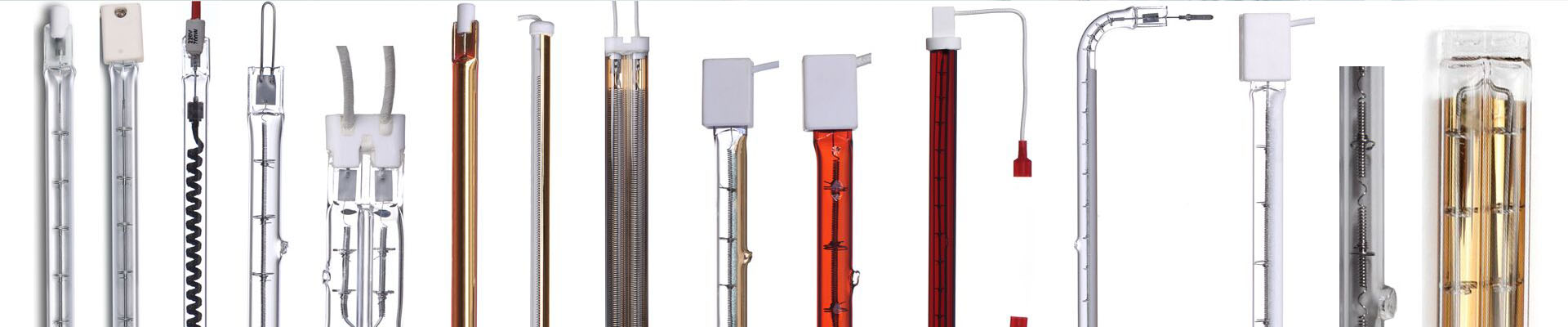
If you’re running industrial printing machines, you know the drill. Shortwave infrared lamps are the heartbeat of your ink curing and drying process. Most of the big players in the industry stick to the 8mm OD quartz tube because it just works. When we build these for the five biggest printing brands globally, we aren’t just eyeballing the measurements. We’re making sure the heat and electrical pull feel exactly like the original parts. No surprises. The danger of “close enough” Here’s the thing about that 8mm diameter: it’s a tight squeeze. If a tube is off by even a tiny fraction of a millimeter, it won’t sit right in the clips. That’s how you end up with hotspots or, worse, a tube that snaps because the machine is vibrating. We spend a lot of time calibrating the wattage and voltage. You want that heat density to hit the sweet spot for your cure rate. Now, high-wattage tubes get you up to speed fast, but they can be hard on your power supply. Just double-check that your transformers can handle that initial surge when the lamp strikes. Why the materials matter We use high-purity quartz glass. Why? Because it doesn’t freak out when you cycle the heat on and off rapidly. Standard glass would just crack under that kind of thermal shock. Plus, that 8mm size lets us keep things compact for those narrow heating arrays you find in most mainstream printers. We design these as simple drop-in replacements. The terminals and the length match the OEM specs perfectly, so you don’t have to spend your afternoon modifying the machine chassis with a hacksaw. Real-world talk The great thing is that the physics of IR curing are the same no matter who built your machine. Whether you’re using a flatbed or a roll-to-roll setup, an 8mm tube gets the job done. One tip, though. If you push these tubes to their absolute limit, you’re going to burn through the filaments a lot faster. It’s a trade-off. We usually suggest a balanced power setting. You’ll keep your production moving quickly, but you won’t be replacing tubes every other week.