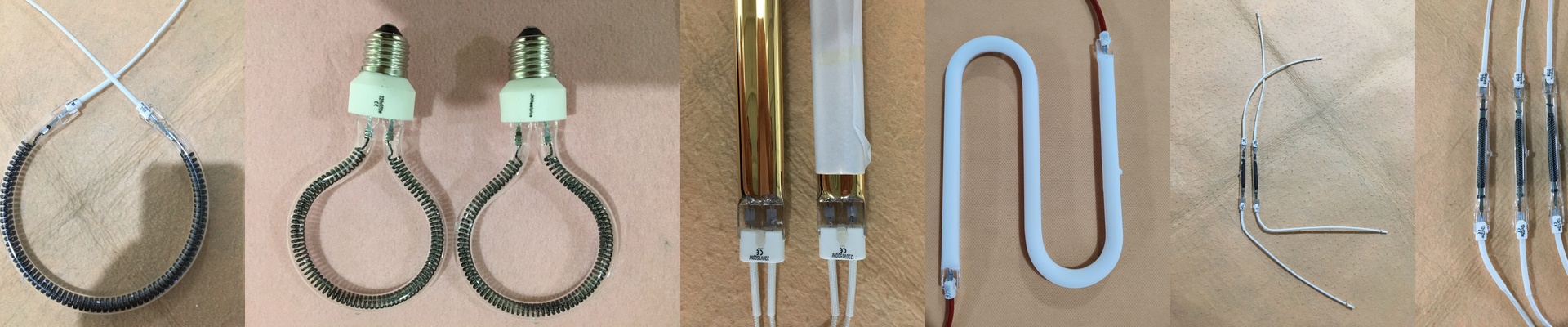

A Practical Look at Quartz Carbon Heating Tubes
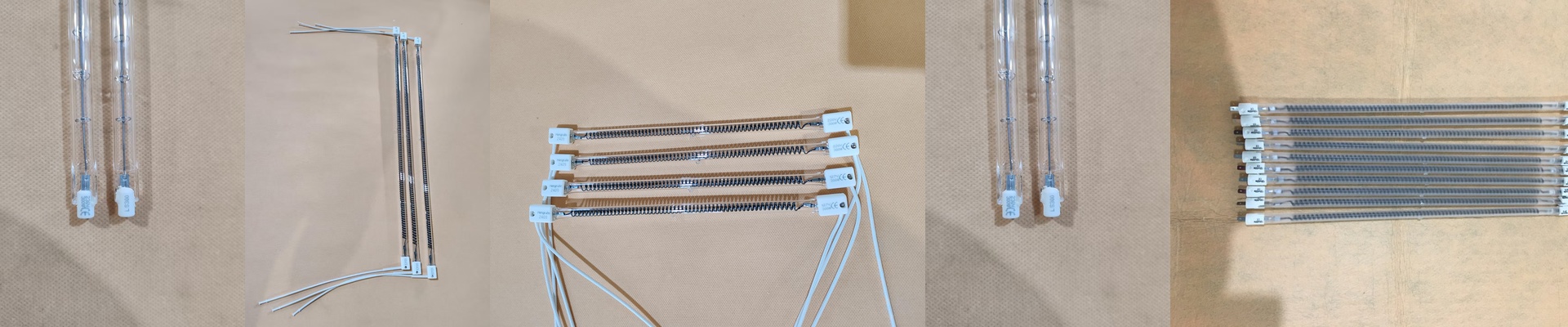
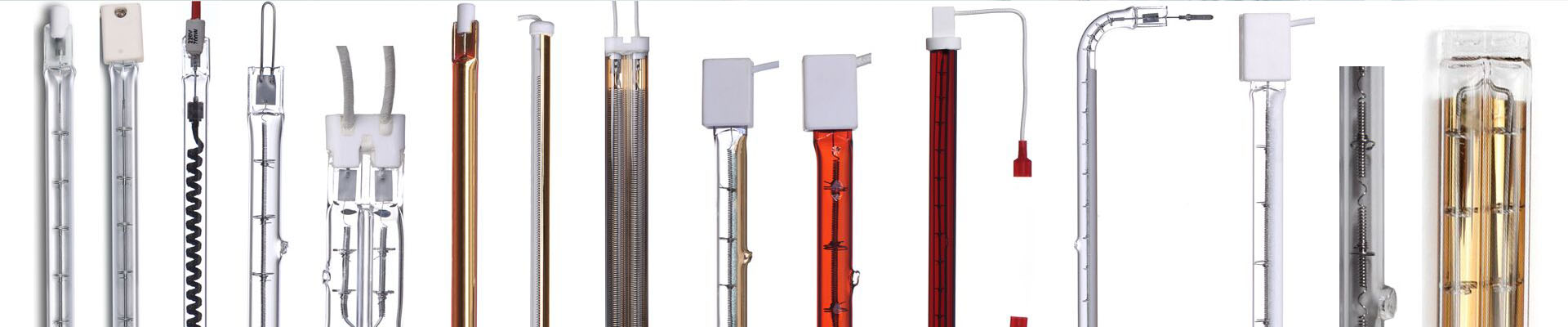
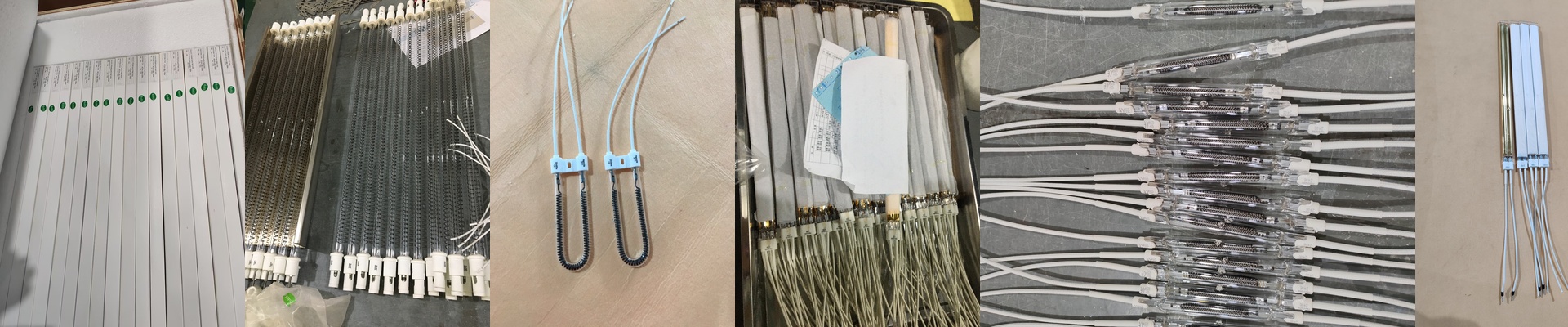
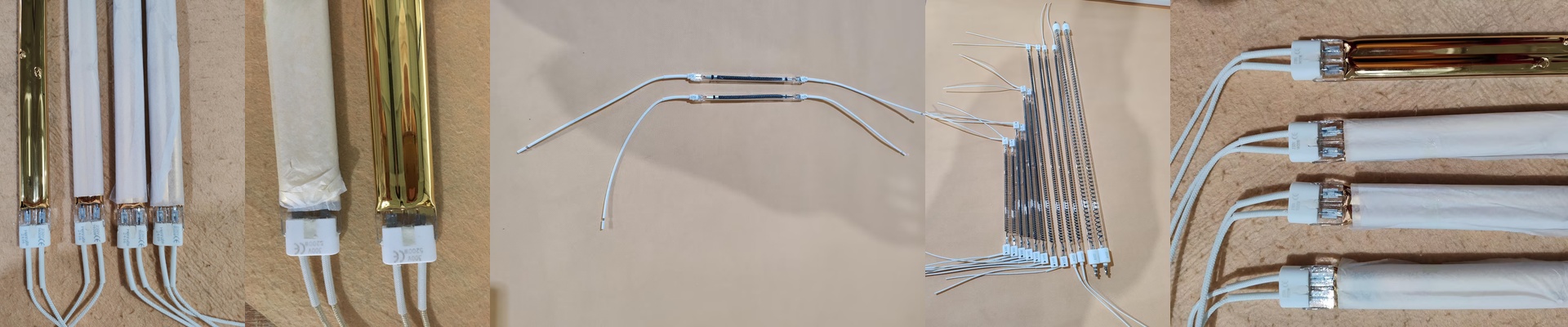
If you need heat—and you need it now—quartz carbon tubes are your best bet. Basically, we take a carbon-fiber or composite filament and seal it inside a high-purity quartz sleeve. Why carbon instead of the usual metal coils? It comes down to how the heat moves. Carbon gives you a much wider emission spectrum. In plain English: the heat actually sinks deeper into dense materials rather than just scorching the surface. Getting the power right When we’re picking the right tube for your setup, we look at the wattage per millimeter. Sure, cranking up the wattage gets you to your target temperature faster, but it’s a bit of a balancing act. Too much power in a tiny space puts a lot of stress on that quartz. And here is the big warning:watch your voltage. Carbon filaments are sensitive. One nasty voltage spike and pop—your filament is gone. To keep that from happening, I always suggest using an SCR voltage regulator. It smooths out those startup surges so you aren’t replacing tubes every other week. The build and the “swap” The quartz sleeve does two things. It keeps the carbon from oxidizing (which would kill the tube) and lets the IR waves pass right through. Depending on what you’re heating, we can add coatings to shift the heat spectrum or protect the glass from chemical splashes. For the connections, we stick with R7s or Sk15 bases. We do this because nobody wants to spend their afternoon rewiring a whole machine just because one lamp burned out. You just pop the old one out, drop the new one in, and you’re back in business. The trade-offs you should know about These are a dream for PET blowing and curing lines because they react almost instantly. You flip the switch, and they’re hot. But there’s a catch. All that concentrated heat can be brutal on your housing. If your cooling fans decide to quit, that ambient heat will warp your reflectors or melt your wiring before you even realize there’s a problem. Make sure your airflow can actually handle the wattage you’re running. Also, a pro tip: check your contact points for oxidation every 500 hours. It takes two minutes, but it stops those annoying hot spots from forming at the terminals.
- Quartz
- Carbon
- Heating
- Tube
- 380v 2000w Half White Coating Infrared Quartz Heat Lamp With Sk15 for Pet Blowing Machines
- 1500w 230v Sk15 Half White Ir Heater Lamp Halogen Infrared Heat Lamp for Pet Bottle Blowing Machine
- 220v 2000w Half White Coating Infrared Quartz Heat Lamp With Ce for Pet Blowing Machines