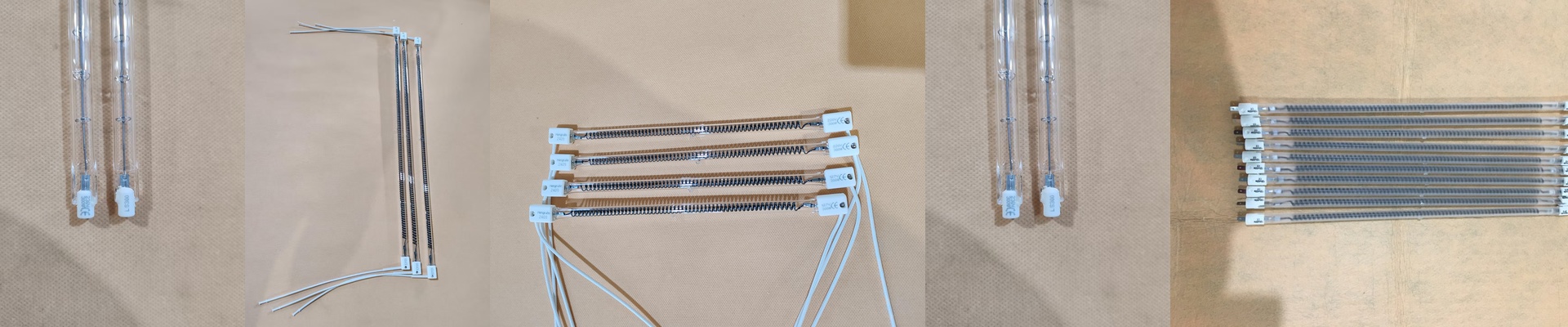

Carbon Fiber Infrared Heat Lamps: Why We Build Them for Real-World Industrial Heat
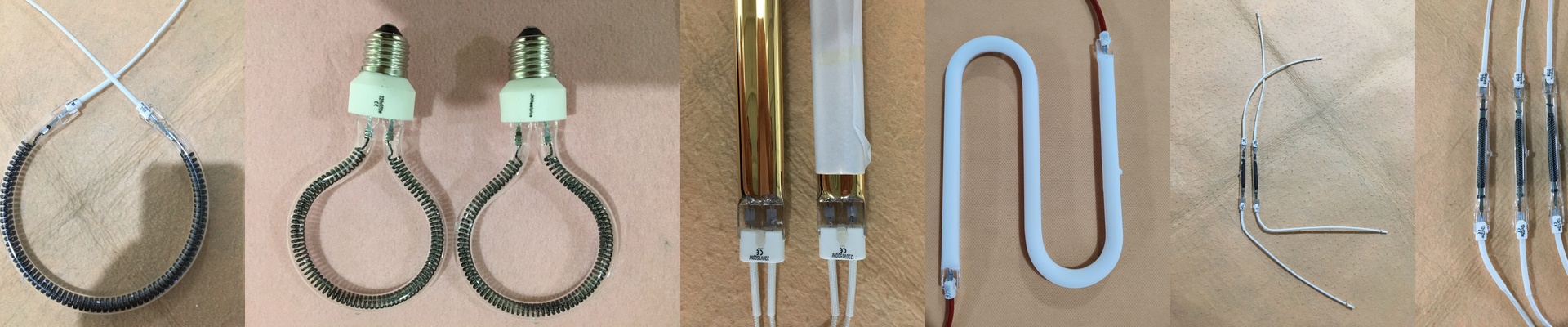
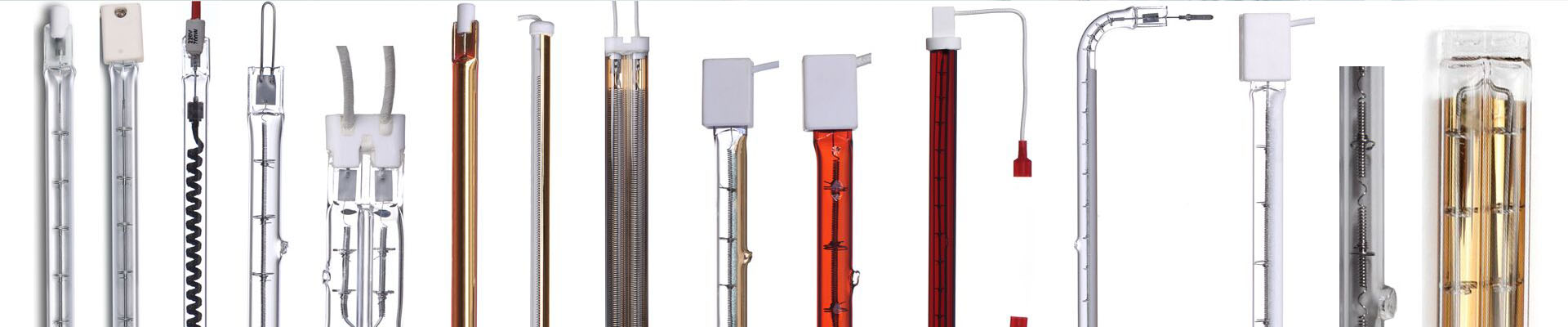
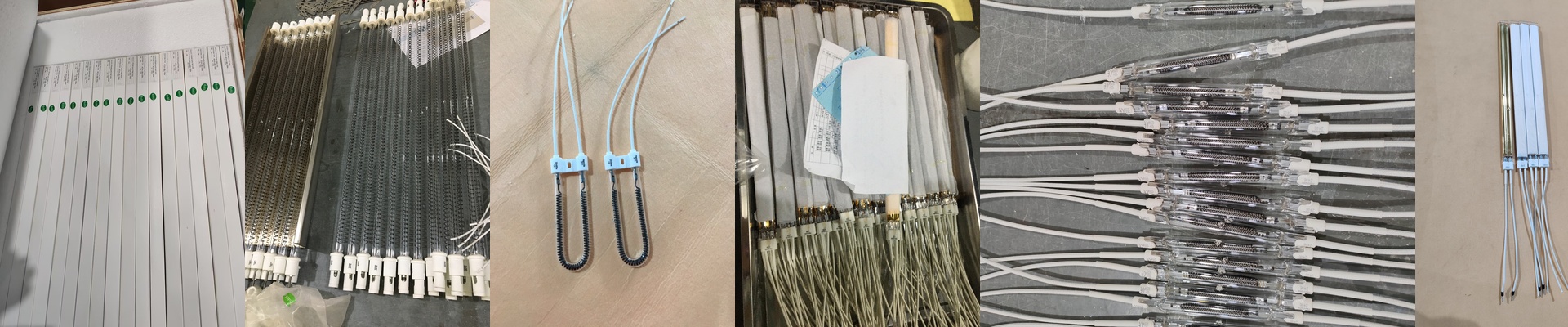
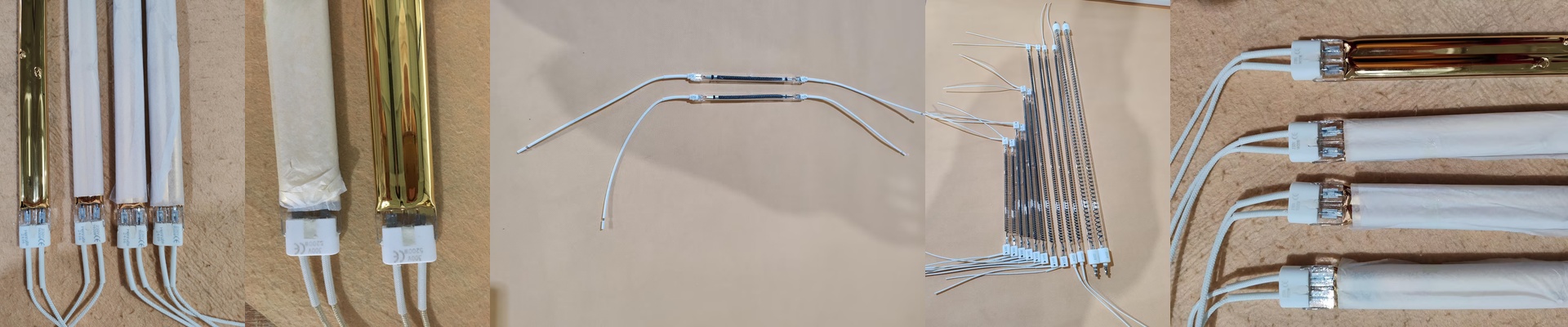
We make carbon fiber infrared heat lamps because industrial heating needs don’t wait. You need heat that shows up fast, stays focused, and fits into tight spaces. So we built these to run on 400V and deliver 2500W—serious power packed into a small footprint. The 300mm tube keeps the heat right where you want it, which means you can keep your enclosure compact without feeling like you gave up output.
Power, voltage, and size—straight talk
That 400V, 2500W setup isn’t arbitrary. It lets us push high power through a thin filament while keeping the current on the line side manageable. And that 300mm length? It concentrates the heat into a tight zone, so it’s naturally suited for cramped heating areas. The payoff is quick temperature rise. The catch is equally clear: your machine’s cooling and wiring have to be properly rated for that kind of punch.
What’s inside: carbon fiber, coating, and the R7s connection
The carbon fiber element is the heart of the response. It heats up fast, and it holds steady across temperature swings. No drift. No surprises. We coat the quartz envelope to shape the spectral output and shield the filament from hot spots—because bare elements can burn out when the heat concentrates. And the R7s connector? It’s simple, sturdy, and secure. It locks in quickly and stays put, even when the heater block is cycling hot and cold. No wiggle. No loose contacts.
Where it shines—and what to keep in mind
In the real world, this setup drops right in for line-heating jobs like curing, drying, and preheating components. The fast ramp-up cuts cycle time, and the compact shape makes mounting easier. But high heat density comes with a responsibility: give it enough airflow and thermal management, and the lamp—and the surrounding parts—stay in their safe operating zone.