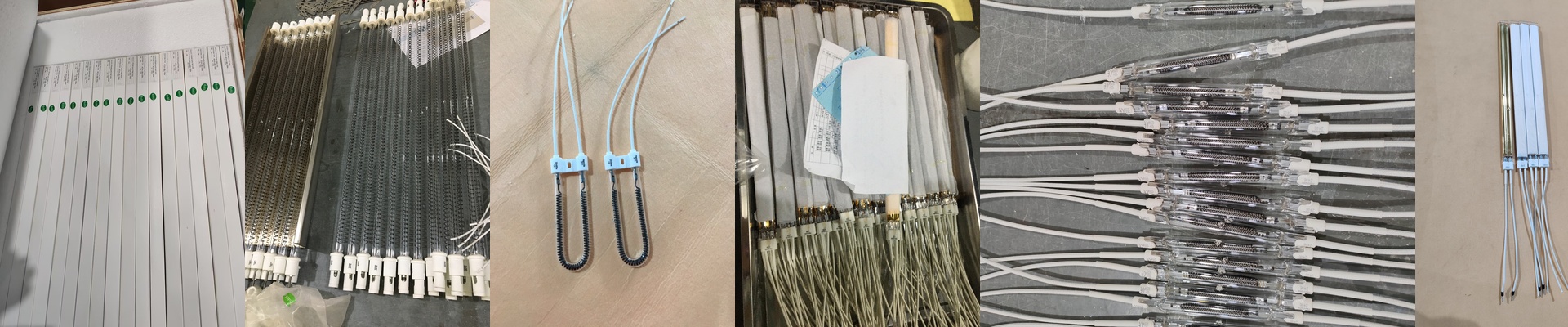
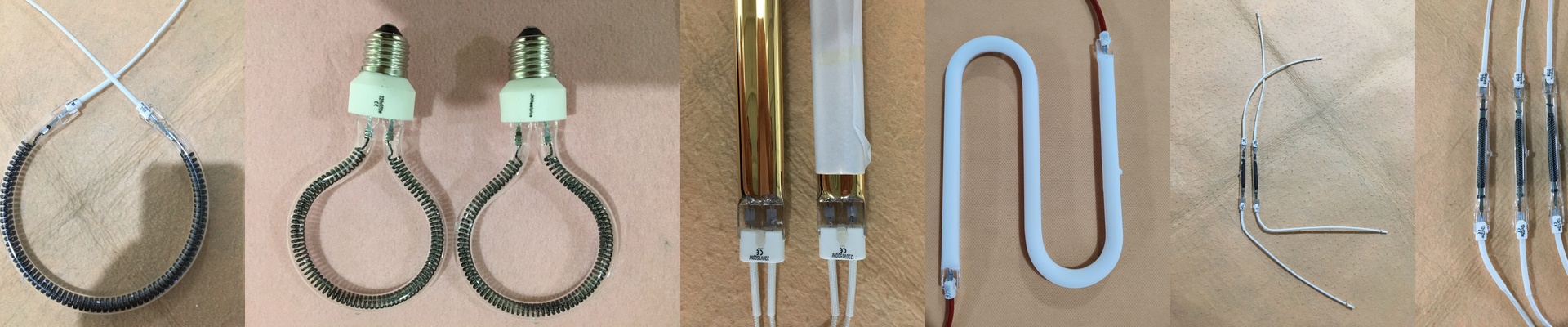
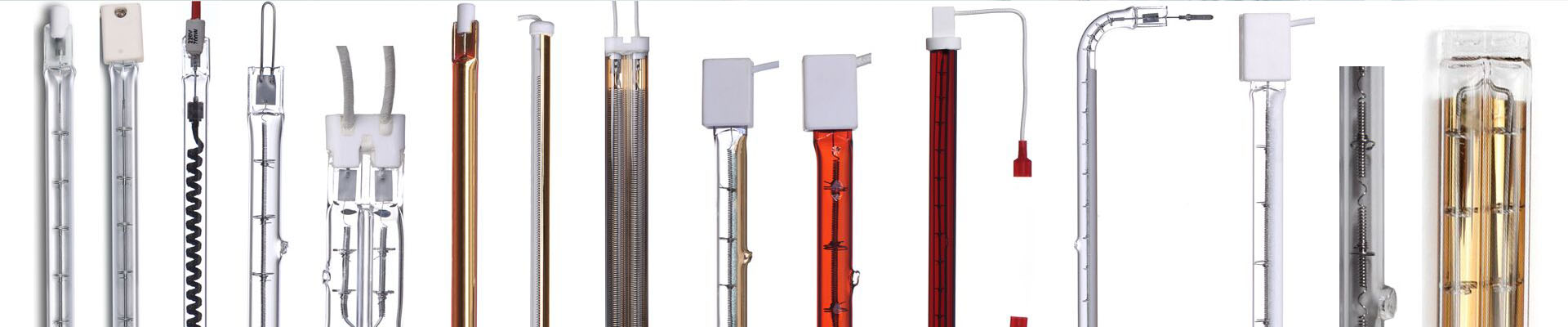
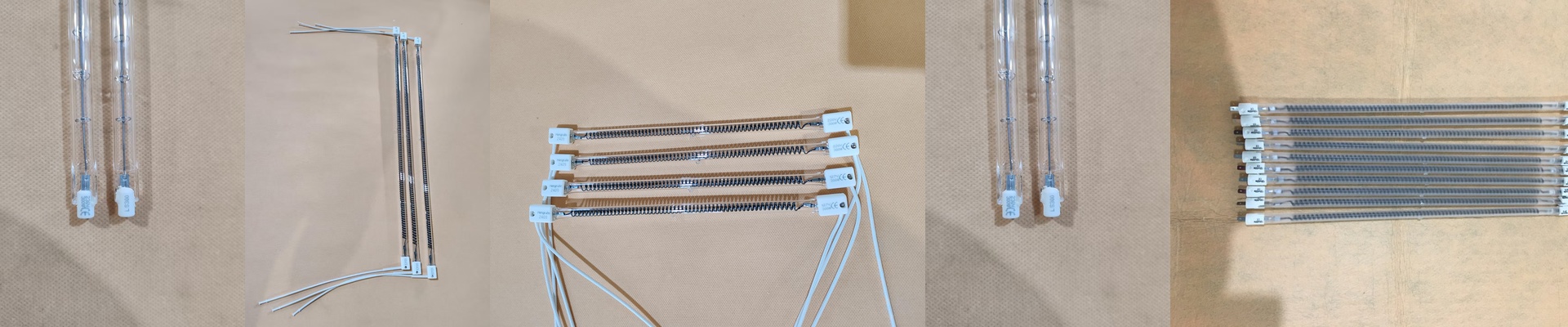
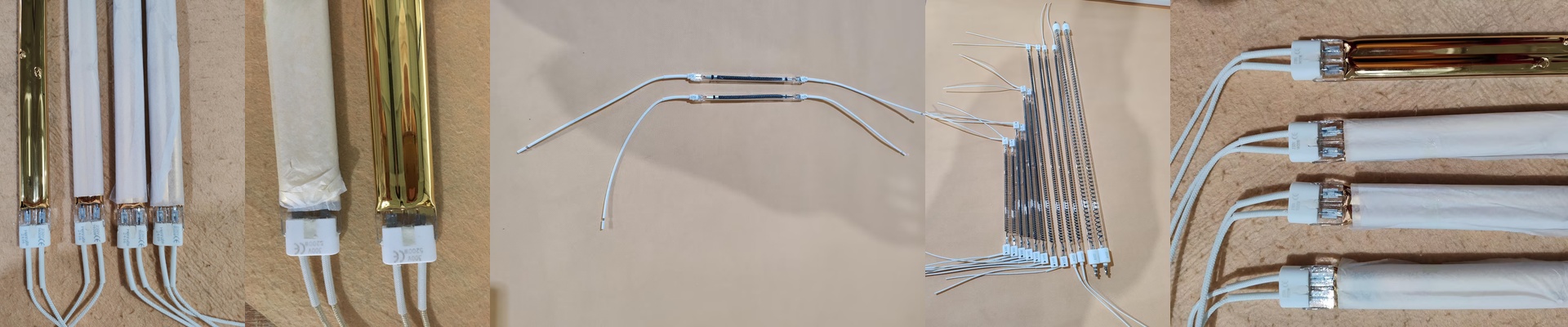

Why we build Carbon Fiber Quartz Ceramic Heaters
Look, most people usually have to choose between a standard halogen lamp—which is okay, but fragile—and a heavy-duty ceramic heater that’s built like a tank but slow to start. We figured there had to be a middle ground. So, we built one. By tucking carbon fiber filaments inside a high-purity quartz tube and capping the ends with ceramic, we get a heater that handles massive power loads without the constant fear that a thin wire is going to snap.
The guts of the machine
The real magic is that carbon fiber emitter. If you’ve used tungsten, you know it tends to thin out and migrate when you put it through the ringer. Carbon fiber doesn’t do that. It holds up. We seal it all in quartz glass to keep the oxygen out, which means the carbon doesn’t burn up. The result?It gets hot fast. Your machines stop idling and start actually processing. Just a heads-up, though: these things pull a lot of juice. If your power supply is shaky or your voltage jumps around, you might fry the ends of the element. Keep your power clean.
How it actually fits together
We use quartz because it’s great at letting infrared energy pass right through. It hits your target directly instead of wasting energy heating up the air in between. As for the connections, we stick to standard industrial connectors. We want these to be “drop-in” replacements. You shouldn’t have to redesign your whole array just to upgrade your heaters. And those ceramic end-caps? They aren’t just for looks. They stop the quartz from cracking where it seals. Cheap lamps usually snap right there when the machine vibrates or the temperature swings wildly. Ours don’t.
Where this works (and where it doesn’t)
If you’re doing PET blowing, plastic welding, or running drying lines, these are your best friend. You get immediate heat, and you can shrink the size of your heating zone. But here’s the thing: these aren’t “set it and forget it” tools. They run incredibly hot. If your reflectors get dusty, your efficiency plummets. The lamp then has to work twice as hard to hit your target temp, which wears it out faster.**Keep your reflectors clean.**It’s a simple habit, but it saves you a lot of money and downtime.