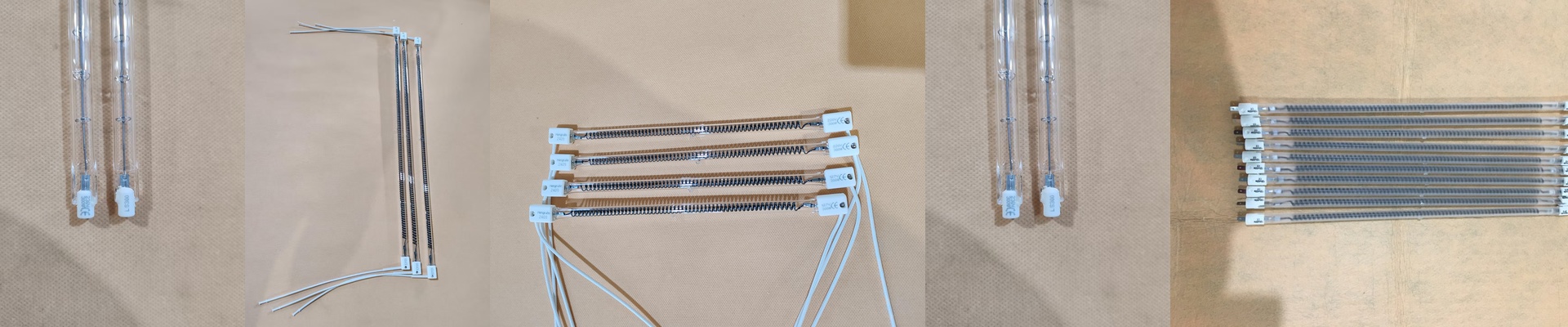

Getting Your Glue Curing Right: The Truth About Quartz Glass Tubes
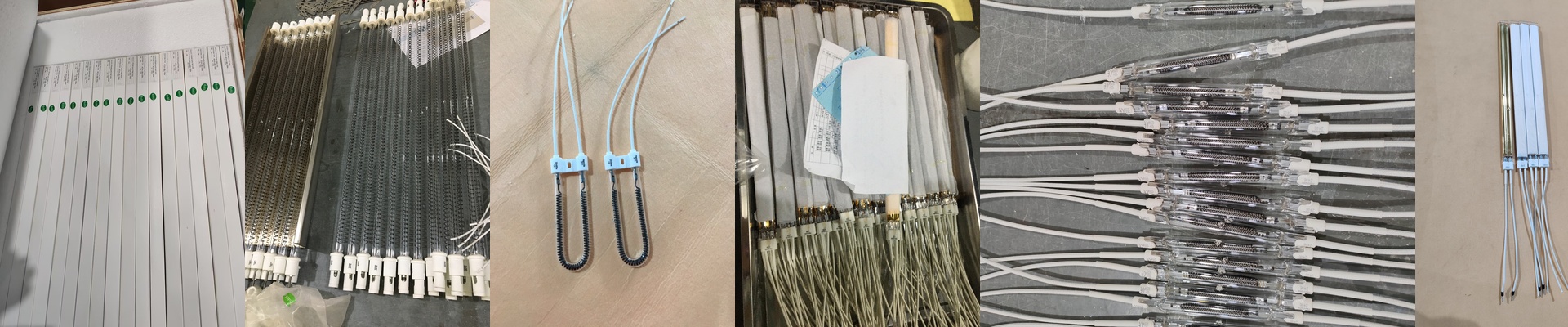
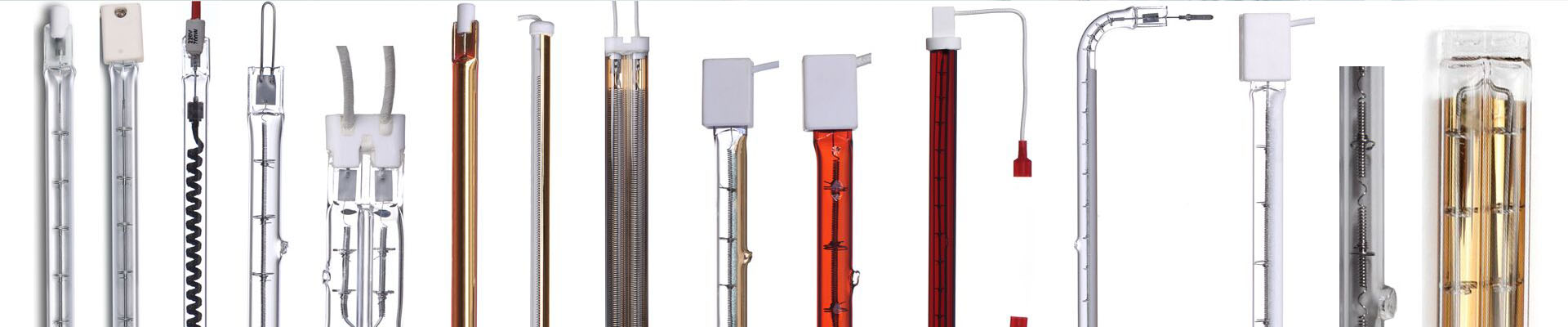
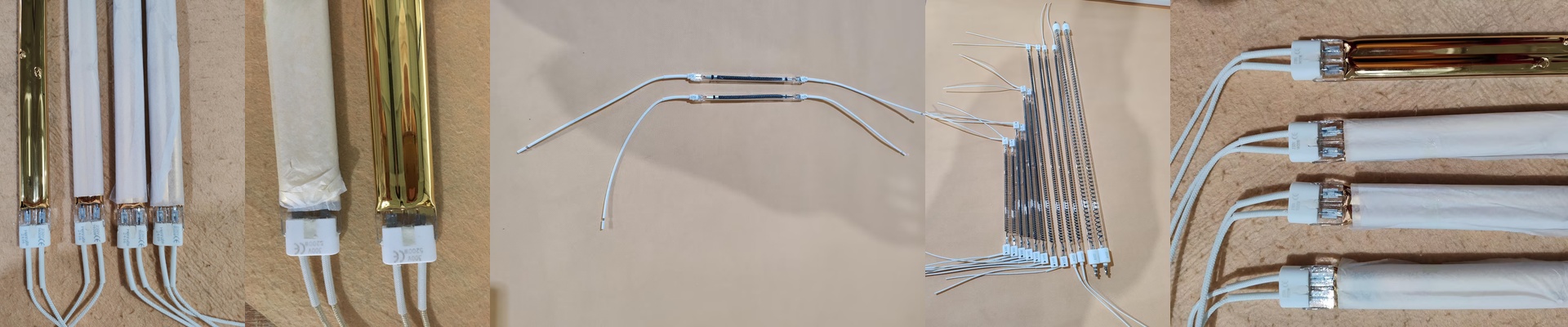
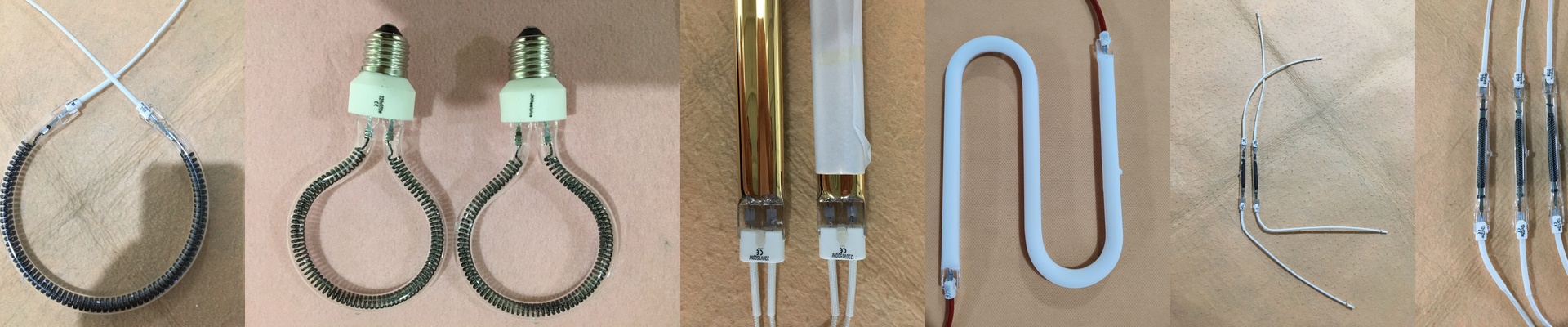
If you’re running an industrial gluer, you know the struggle. You need enough heat to snap that adhesive into place instantly, but if you overdo it, you’ve just scorched your substrate and ruined a part. It’s a delicate balance. That’s where our quartz glass tubes come in. We build these specifically for high-intensity infrared setups because you need two things: a lightning-fast ramp-up to temperature and a heat profile that doesn’t have “cold spots” across your bonding surface. Why the material actually matters We stick with high-purity fused quartz. Why? Because it doesn’t freak out when the temperature swings. If you try to cut corners with lower-grade glass, the tube will likely crack the second you power it up or shift the heat. It’s just not built for that kind of thermal shock. Inside the tube, the quartz acts as a shield for the tungsten filament, keeping oxygen from eating it alive. We spend a lot of time dialing in the internal gas pressure and the halogen cycle. When that’s right, the filament lasts longer and can run hotter, which means more heat density hitting your glue line exactly where it needs to be. Fitting them into your line Nobody wants a headache during installation. Most of our tubes are designed to be simple drop-in replacements for the big international brands. We follow your blueprints to the letter. Whether it’s a weird voltage or a specific end-cap, we make sure it fits the electrical footprint of your machine. No hacking, no rigging. We also use heavy-duty connectors. It sounds like a small detail, but a loose connection leads to arcing under high loads. That creates heat at the terminals, and before you know it, your lamp is dead. The real-world stuff Here is the thing: these tubes put out a massive amount of heat. It’s great for your cure speed, but it’s tough on your reflectors. If your reflectors are pitted or oxidized, they stop bouncing the IR energy back where it belongs. To make up for that loss, your lamps have to run even hotter, which wears them out faster. **A quick tip?**Check your reflector alignment every six months. It keeps the lamps from taking a beating. And for heaven’s sake, make sure your ventilation is working. If the ambient heat just sits there, it’ll eat through the life of the quartz envelope way sooner than it should.