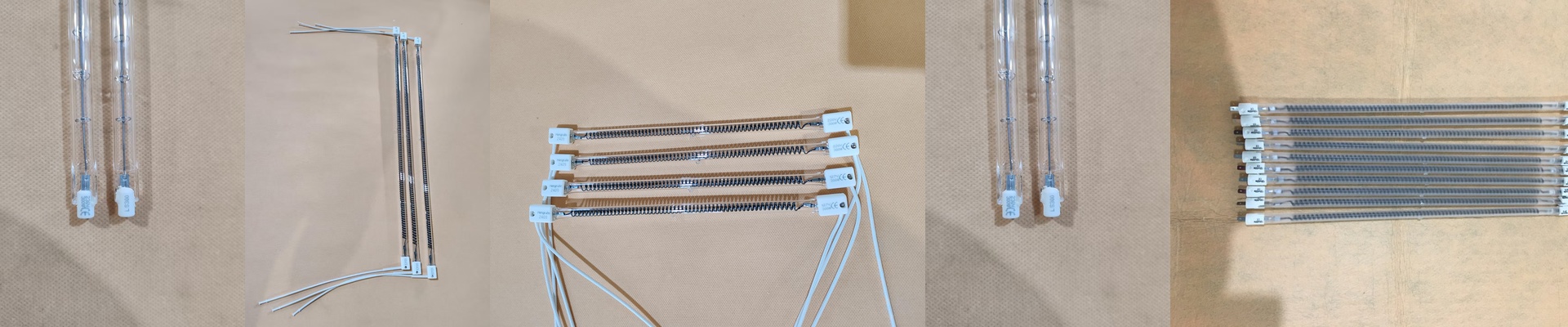
Twin-Tube Carbon Fiber Infrared Heating Lamp: Power, Design, and How It Gets the Job Done
We built this twin-tube carbon fiber heating lamp for one reason: to give you a heat source that’s small, seriously powerful, and ready to react the moment you need it. Think of it as a compact workhorse for industrial setups that demand fast response and precise temperature control.
The Power Behind the Size
Here’s the thing about this design—it crams a lot of wattage into a tight space. We’re talking about around 2500W at 400V. And that 400V rating isn’t just a random choice. It’s a smart move that lowers the current for the same power, which keeps your wiring from getting bulky and helps you avoid voltage drop issues inside the machine. The whole thing is about 300mm long, so you get a really concentrated heating zone. It slips right into crowded heating blocks and tight spots. The heat comes on fast and stays steady, even when the system cycles on and off. But that kind of power density means you have to stay on top of your thermal management.
Built to Last, Built to Work
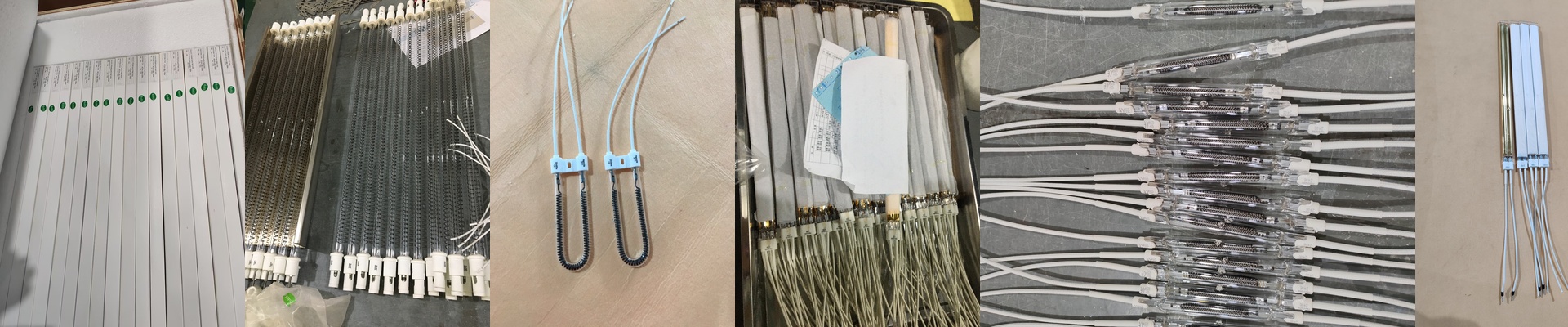
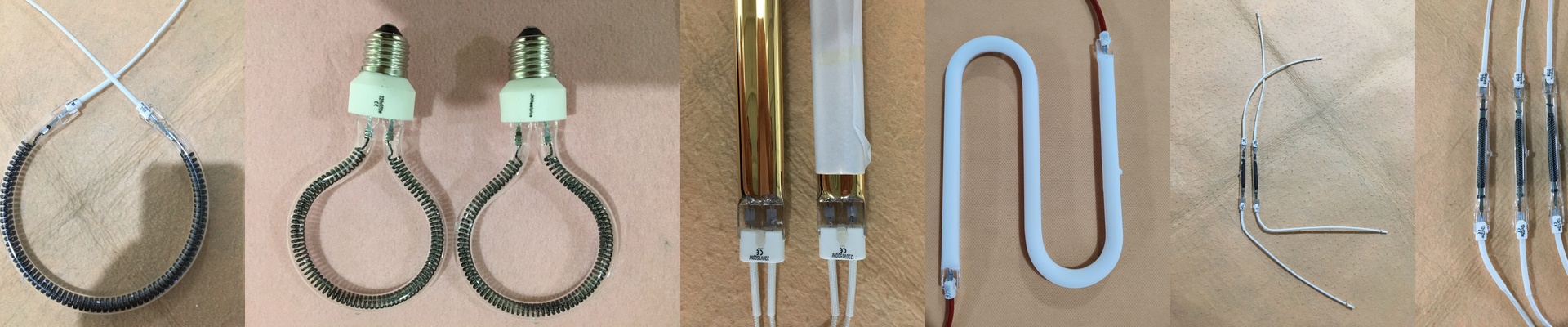
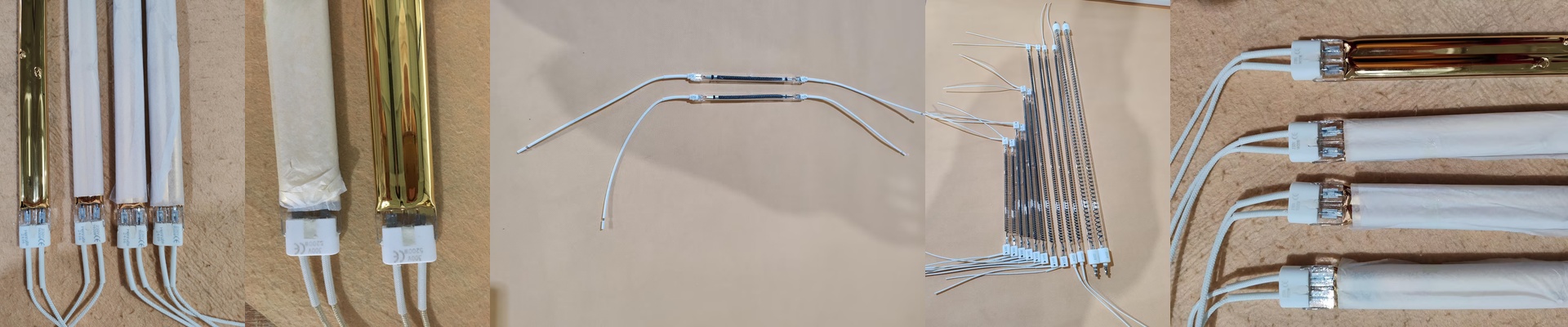
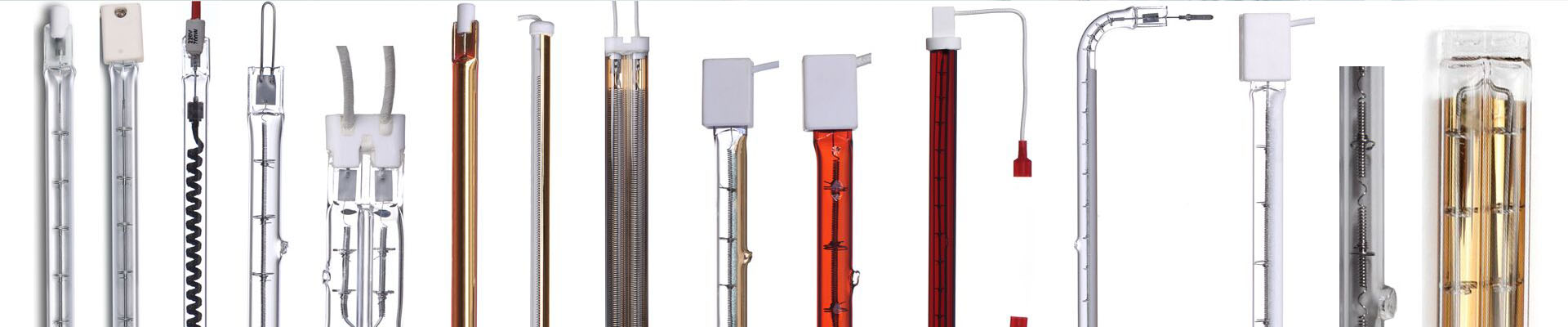
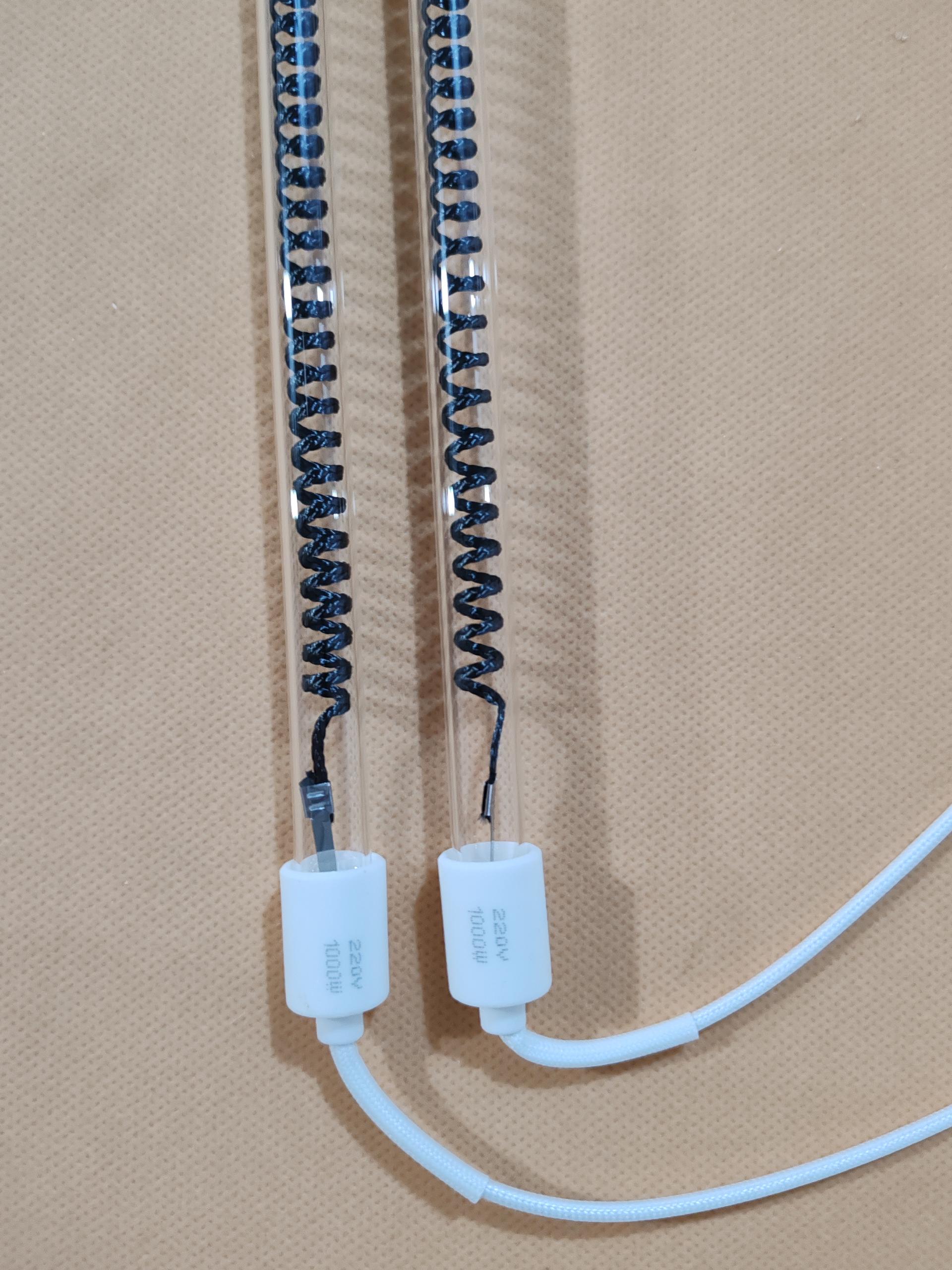
Inside a clear quartz envelope, you’ll find a carbon fiber filament. It gets blazing hot, but it doesn’t sag. The halogen cycle helps keep the output consistent over time by putting evaporated material back onto the filament, so you don’t get that slow fade. The twin-tube setup gives you two separate heating paths, which helps even out the temperature across what you’re heating. And the R7s base is a straight-pin, line-contact connector that handles high current and makes wiring in tight spaces way easier. It’s a solid mechanical fit, but you’ve got to get the pins aligned just right and make sure the lamp is secured properly. Otherwise, vibration can lead to breakage.
Where It Shines (And Why It Matters)
You’ll see this lamp hard at work in places like PET blowing, plastic thermoforming, and coating drying—anywhere infrared energy needs to be absorbed directly by the material. Because the carbon filament responds so quickly and the twin-tube design is so compact, you can fine-tune the heat without overshooting. For engineers, that means a heat source you can drop right in and integrate tightly. Just remember: you need to match the power supply and cooling to the load. If you don’t, both the lamp and the parts around it will run hotter than they were designed to.