What Actually Goes Into a High-Output Quartz Tube?
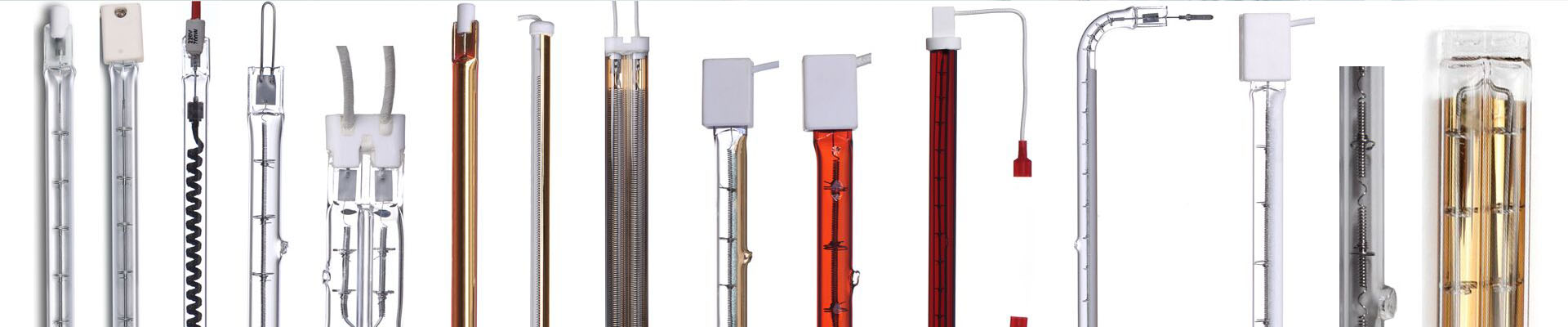
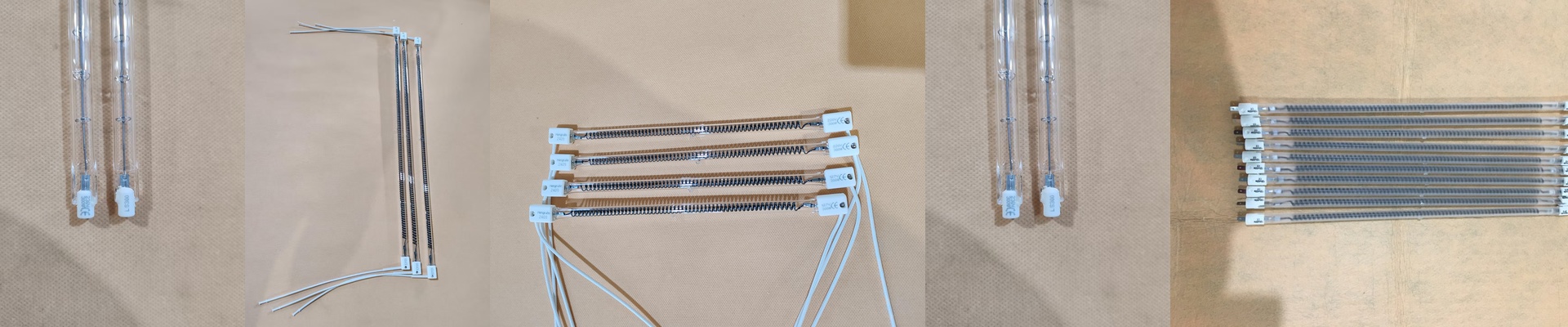
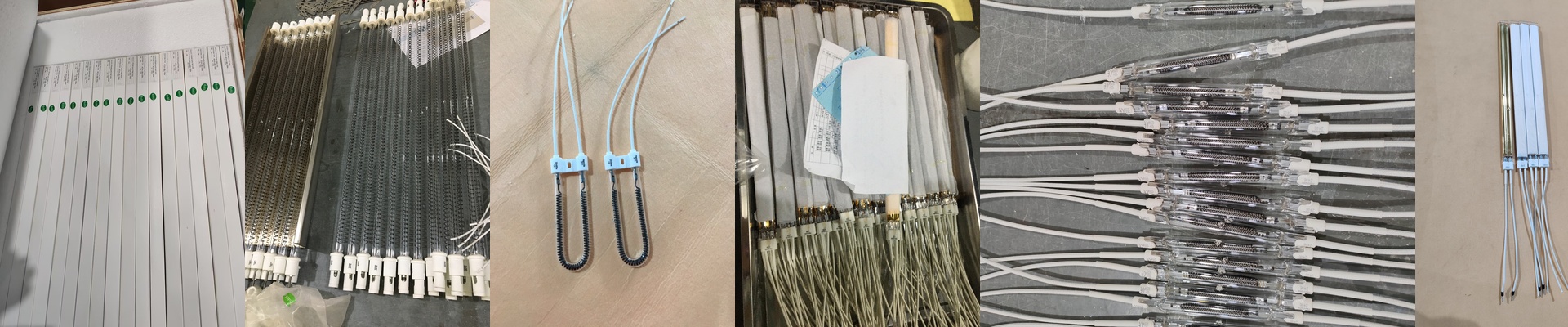
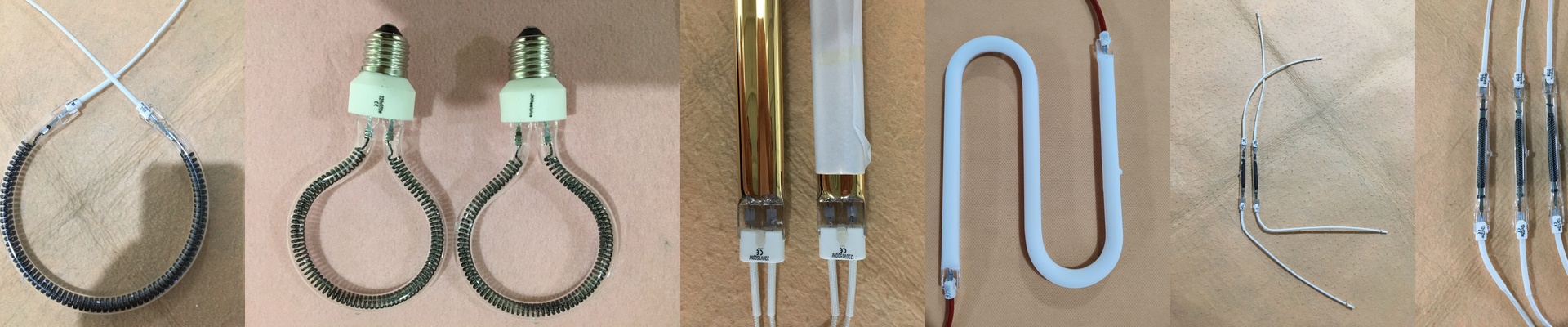
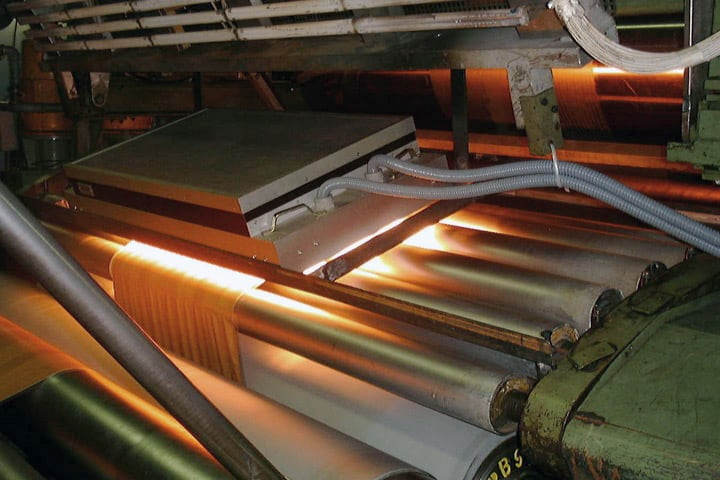
If you’re running a top-tier industrial printer, you know the struggle. You need enough heat to cure the ink and dry the material instantly, but you can’t be so aggressive that you scorch the whole thing. It’s a delicate balance. We make the clear quartz heating tubes that handle this heavy lifting for some of the biggest brands in the world. And just to be clear: these aren’t your average light bulbs. They’re high-wattage thermal beasts built to a very strict set of electrical rules.
The Power Stuff
Here’s the thing about heat density. To keep your line speeds fast, you need to ramp up the temperature quickly. We do that by pushing high wattage through a narrow quartz envelope. We also lean toward high-voltage setups. Why? Because it keeps the current draw low. That means you can line up a dozen tubes across a wide printing bed without worrying about blowing a fuse or overloading your power distribution. It just works.
Why Pure Quartz?
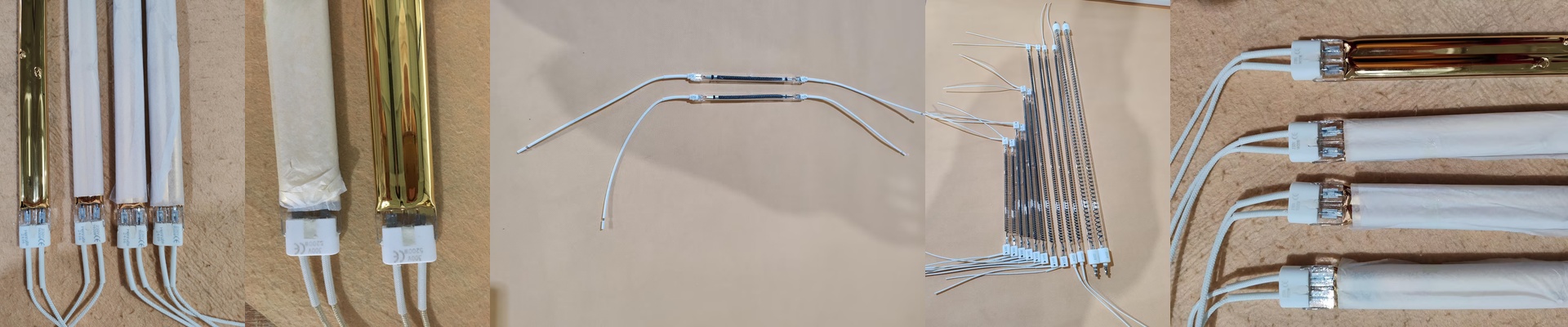
You can’t just use any glass here. Regular glass would shatter the second you flipped the switch. We use high-purity fused quartz because it doesn’t freak out when the temperature spikes. It handles thermal shock like a pro. Plus, it’s crystal clear, which lets shortwave infrared radiation fly straight through and hit your substrate instead of getting trapped in the tube. Then there’s the sealing. If air leaks in and breaks the halogen cycle, your filament is toast in a few hours. We use a vacuum-sealing process on the end caps to keep everything airtight. It keeps the filament safe, even if your machine vibrates like crazy during a run.
Making it Fit (and Staying Cool)
We design these to be drop-in replacements. No fussing around with adapters. We keep the measurements tight so they slide right into your existing reflectors and sockets without any annoying wiggle room. But a word of caution: these things put out an intense amount of radiant heat. If your vents aren’t up to the task, that heat has nowhere to go. You might find your machine frame warping or your sensors acting up. You’ve got to get the airflow right—keep the housing cool while the material gets hit with exactly the temperature it needs.