
Fixing the “Cold Spot” Problem in Long Drying Tunnels
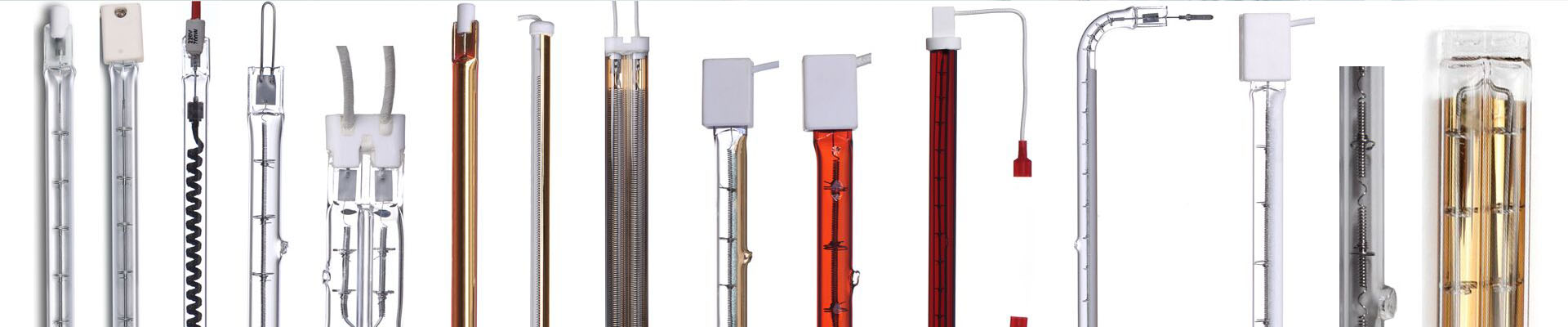
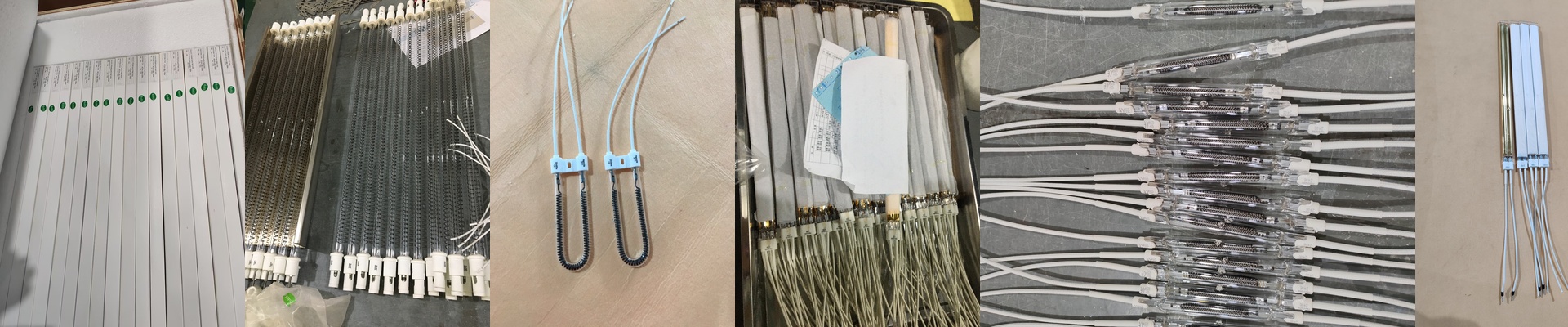
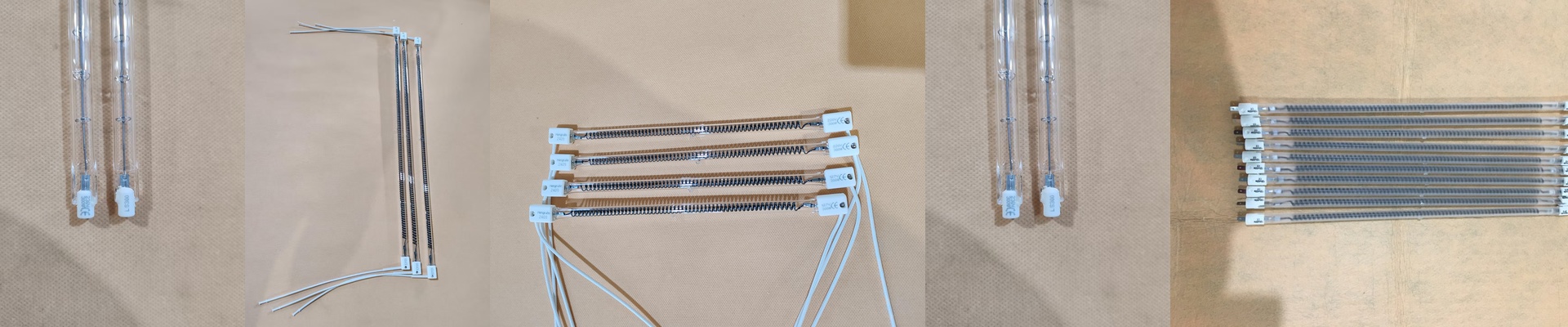
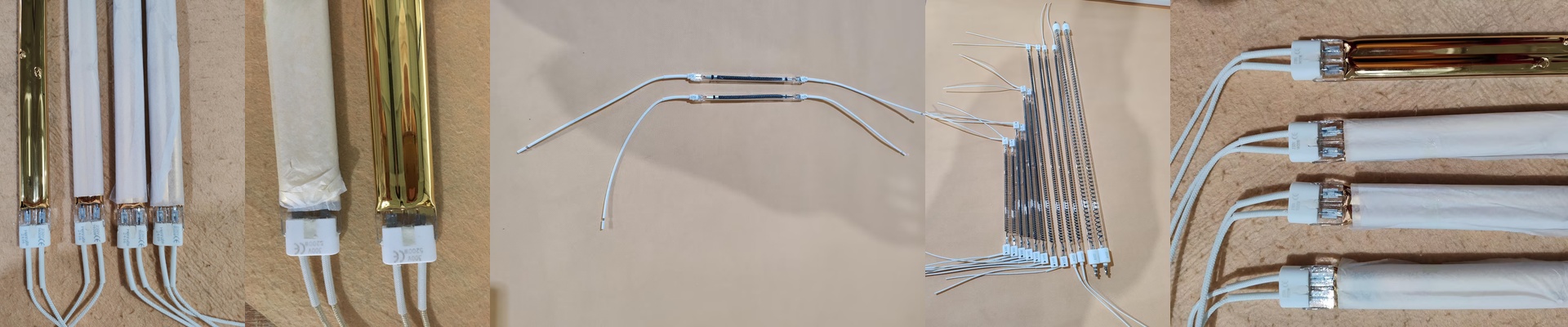
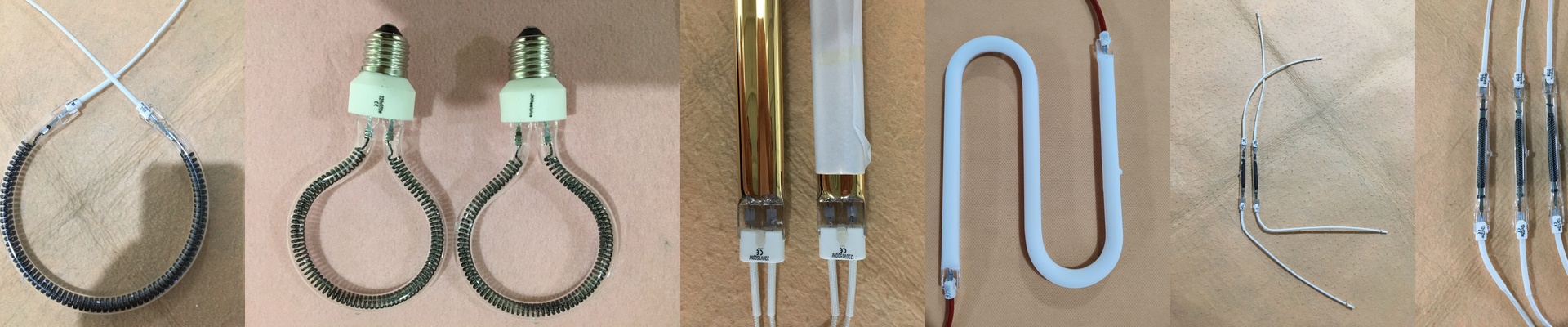
If you’re drying paper tubes, you know the struggle. You need the heat to be exactly the same from the moment the tube enters the tunnel to the moment it pops out the other end. If it’s not, you get cold spots. And cold spots mean the adhesive doesn’t cure, which means your product fails. It’s a headache nobody wants. That’s why we build our infrared setups specifically for Adelco machines. We’re not just throwing lamps in a box; we’re making sure the heat actually stays consistent. The battle against voltage drop Here’s the thing about long tunnels: voltage drop is a real pain. Usually, the lamps at the end of the line don’t get the same punch as the ones at the start. You end up with “tail-end cooling,” where the last few feet of your tube just aren’t getting the heat they need. We fix this by using high-wattage quartz halogen lamps and tuning the voltage to match your specific plant setup. It ensures every single lamp pulls the same power. No matter where the tube is in the tunnel, the heat is the same. Built to fit, built to last We use heavy-wall quartz glass because thin lamps tend to bow when they get screaming hot. That’s not a good look and it’s not efficient. Plus, these are designed to be drop-in replacements for Adelco frames. We stick to standard connectors—like R7s or SK15—so you can just wire them in. You won’t have to spend your afternoon modifying sockets or fighting with the hardware. And because we use shortwave emission, the heat doesn’t just sit on the surface and scorch the paper. It actually sinks in, drying the adhesive from the inside out. A quick word on the heat Now, there is a trade-off. These lamps put out a massive amount of energy. If you crank up the wattage to speed up your line, your tunnel is going to get hot. Really hot. You’ve got to make sure your exhaust system can actually keep up and pull that excess heat away. If you don’t vent it properly, you’ll cook your lamp housings and kill your reflectors way sooner than you should. At the end of the day, we just focus on the physics. You get a stable, repeatable cure every time. No fluff. Just heat that works.