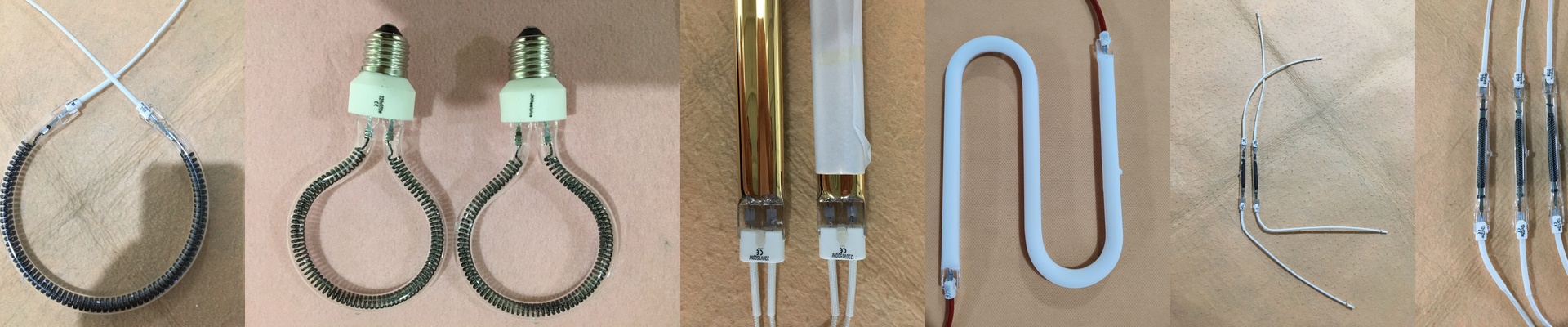
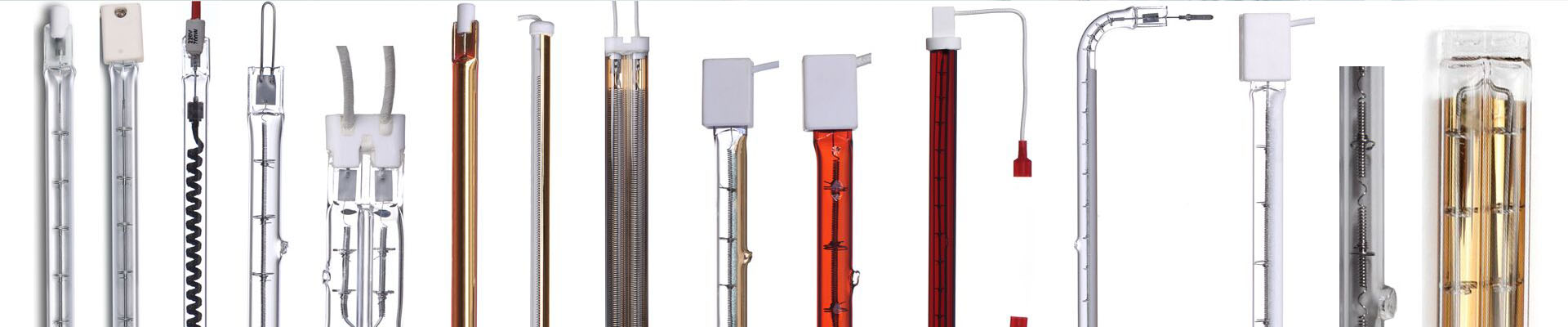
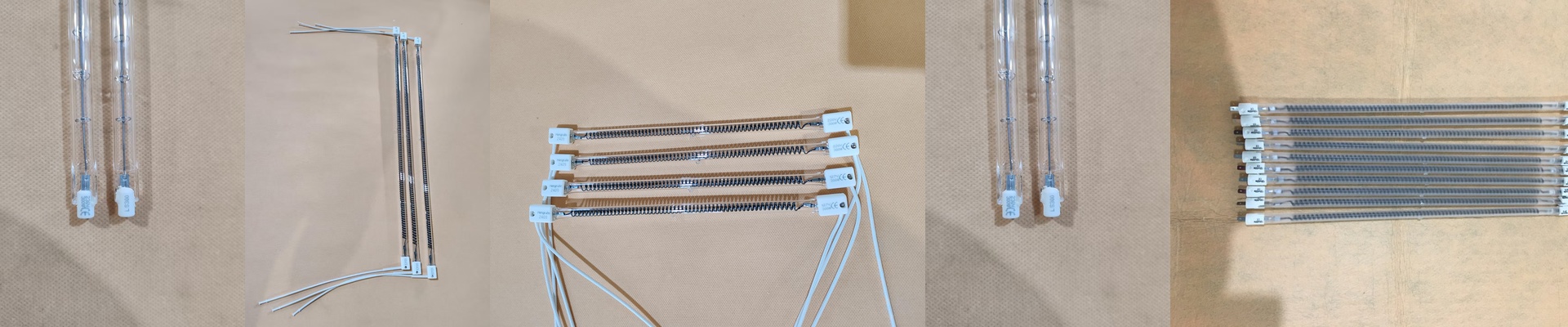
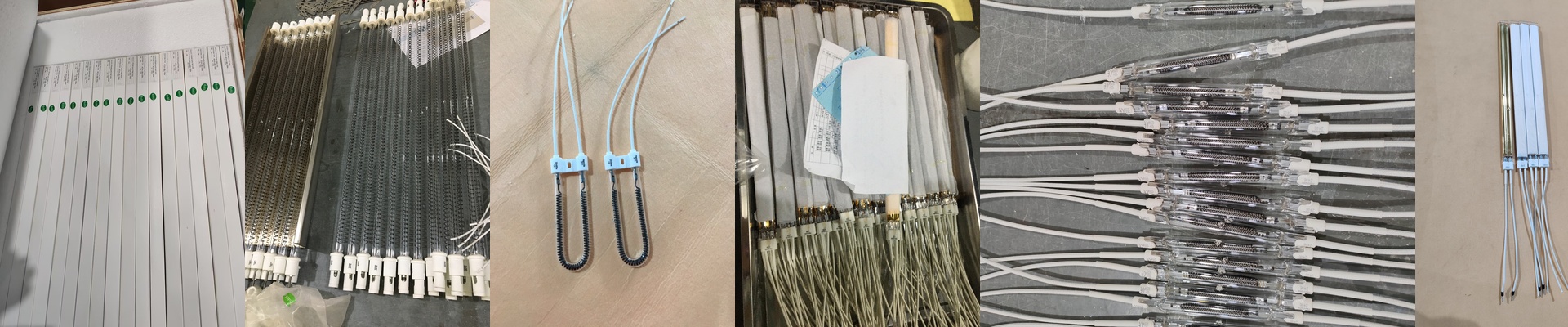
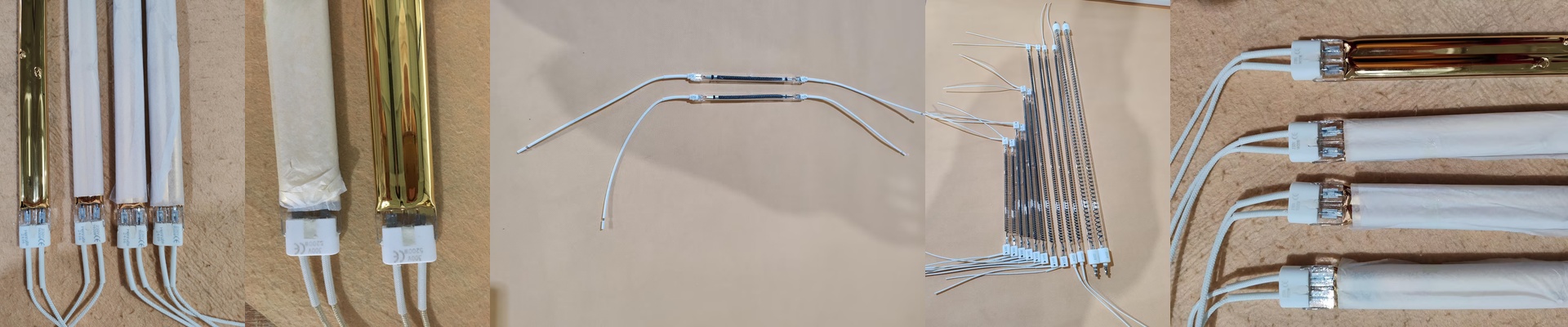
We built this carbon fiber quartz heating lamp to be a straight swap for the old beasts in your industrial machines. It’s for the setups that need heat—fast, steady heat—without the bulk. You get a compact little package that punches way above its weight.

Power, Voltage, and Size—Straight to the Point
We size these lamps to match what your machines actually pull. A typical unit runs on 400V and hits up to 2500W, packing a ton of heat into a short 300mm tube. That kind of power density means the temperature climbs quickly, which can help shorten cycle times on blow molding and thermoforming lines. And because it’s physically compact, you can replace long, inefficient heaters without having to rework the whole machine bay. We chose 400V to keep the current manageable while still delivering the wattage you need. That means you can use smaller wiring and reduce stress on contacts—but it also means your power supply and control circuitry need to be rated for the same voltage class. Just plan your cooling. This much heat in a tight space warms up the surroundings fast.
What It’s Made Of—And Why It Matters
Inside, you’ve got a halogen-filled quartz envelope with a carbon fiber heating element. The halogen gas helps fight filament evaporation, which keeps output stable and stretches service life compared to bare-coil designs. The quartz envelope handles thermal shock and stays clear, so infrared transmission stays consistent. We put a reflective coating on the back to push energy forward, so more of the heat goes where you need it and less is wasted. The R7s connector is a two-ended, straightforward termination that fits standard sockets. That’s the point—this lamp drops in as a direct replacement. It can carry the current, stays aligned even under vibration, and makes maintenance quick when it’s time.
Where It Shines—And What You Gain
This setup was made for PET blowing, plastic welding, and packaging sealing—the jobs that need repeatable temperature control and fast recovery. The response is immediate, so you can hold setpoints without overshoot. The footprint is small, which opens up space in tight machine frames. And the build is tough enough to take the daily grind of high-cycle production. You get heat you can count on, installation that’s simple, and output that stays stable over long runs. The one thing to keep an eye on is thermal management—make sure your machine’s airflow and heat sinking match the wattage and voltage. When they do, this lamp keeps delivering reliable, high-performance heat that keeps the line moving.