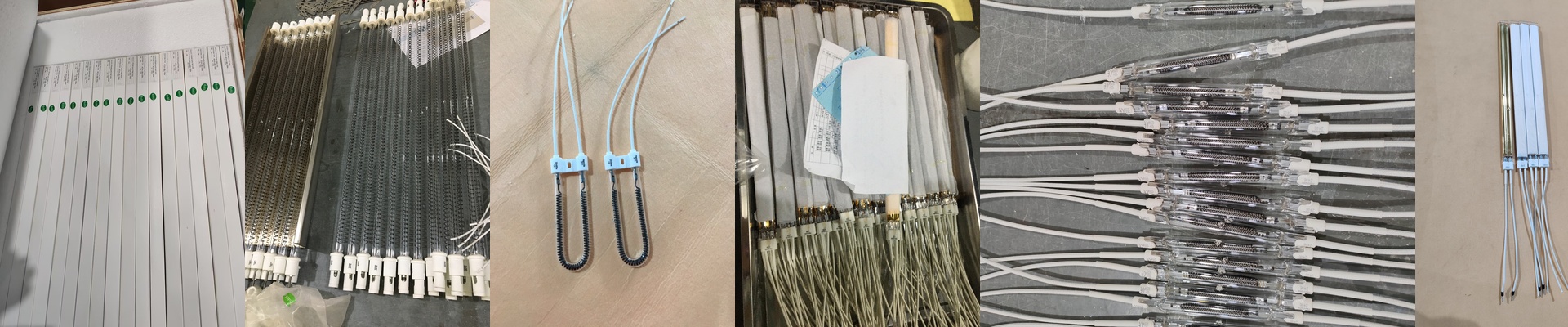
Carbon Fiber Infrared Heating Lamps: The Specs Behind High-Density Curing

We build carbon fiber infrared heating lamps for one reason: to deliver rapid, focused heat where standard heaters fall short. In paint and powder curing lines, you need a heat source that turns on fast, holds a stable temperature, and fits into tight machine footprints. This is where the carbon fiber infrared lamp, specifically configured as an infrared paint curing lamp, earns its keep.
Technical Deep-Dive: Power, Voltage, and Geometry
These lamps are engineered around high heat density. A typical unit runs at 2500W and is available in a 300mm length. That short footprint lets you concentrate the wattage into a small zone, which translates to faster line speeds and a smaller machine envelope. Voltage options are not arbitrary. We offer 230V and 400V configurations. On 400V, the current draw drops for the same wattage, reducing voltage drop across long cable runs and lowering conductor size in the panel. That saves copper and simplifies wiring. The trade-off is real: packing 2500W into a 300mm tube creates intense local heat. You need adequate airflow and heat management around the lamp. If the reflector cavity or enclosure runs hot, you risk overheating nearby components and shortening service life.
Material and Design: Halogen, Quartz, and R7s
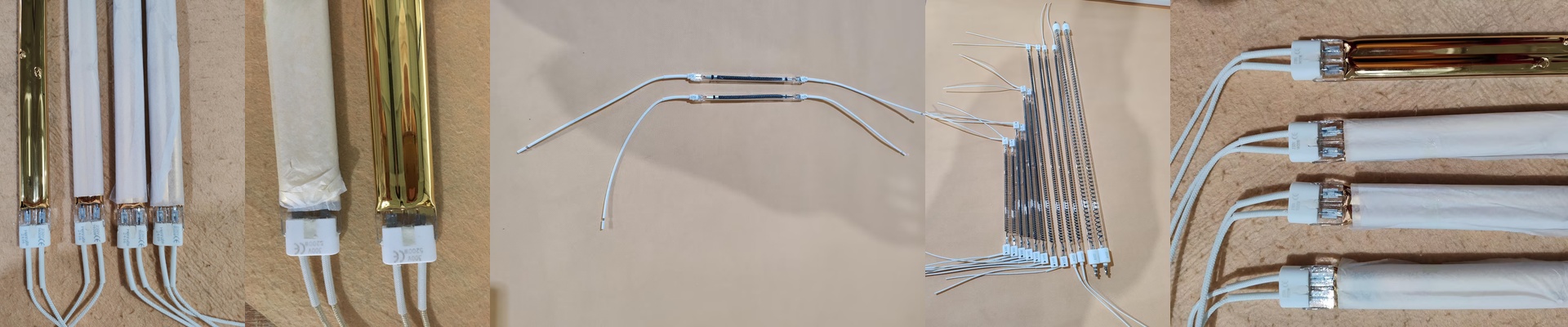
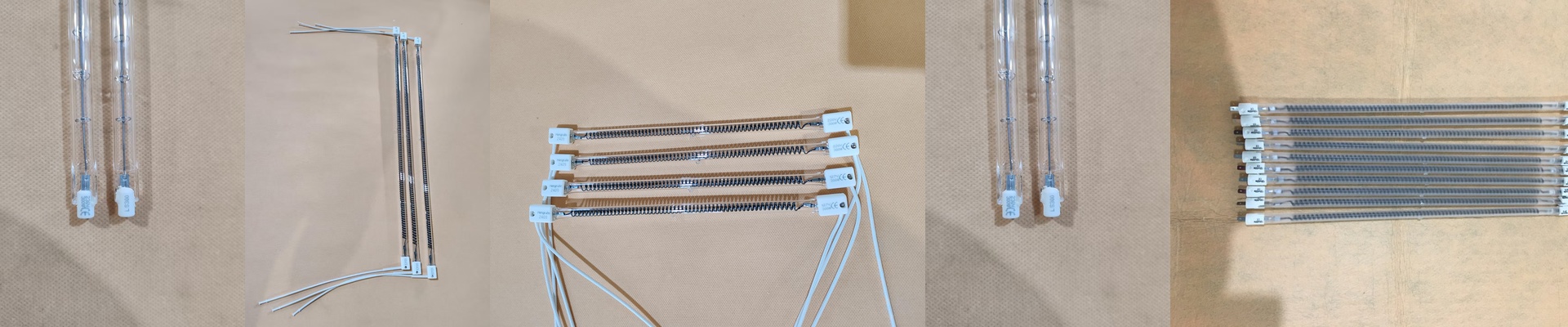
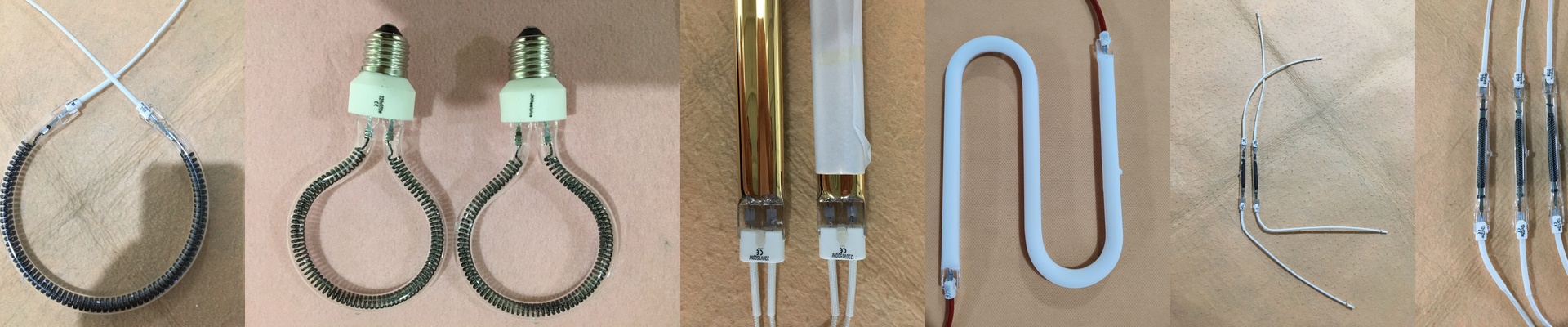
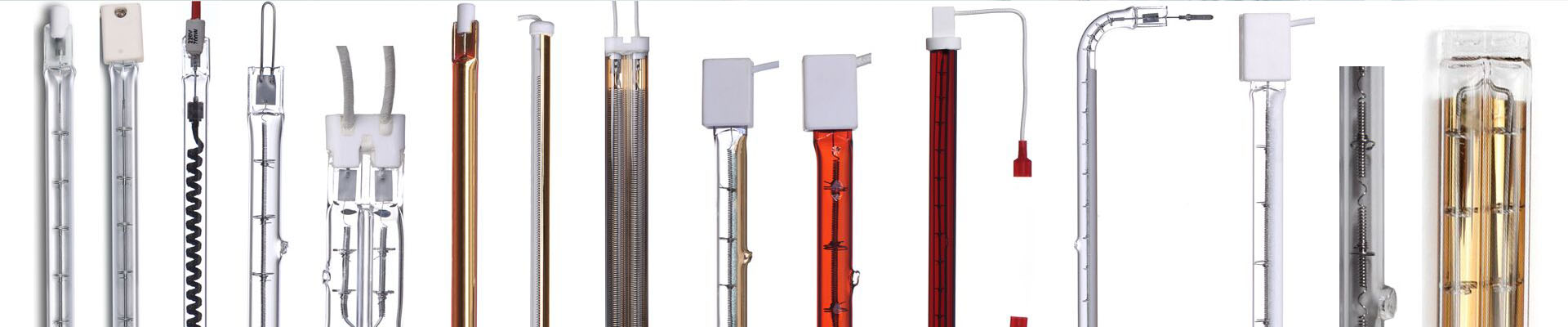
The core is a halogen infrared element inside a quartz tube. Halogen chemistry keeps the filament stable at high temperatures, which helps maintain consistent output over time. The quartz envelope transmits infrared energy efficiently and withstands thermal shock from rapid cycling. We coat the tube to shape the spectral output and protect the element. The coating controls the peak wavelength, matching the absorption profile of many coatings and paints. This improves conversion of electrical energy into usable heat, instead of dumping broad-spectrum radiation that heats the surroundings. The R7s connector is a deliberate choice. It handles high current, provides solid end support, and makes the lamp a drop-in replacement in standard fixtures. The bi-pin design locks the lamp in place, maintaining alignment with the reflector. Alignment matters because reflector geometry directs the infrared pattern onto the target, not onto the machine frame.
Application and Benefits: Curing Without Wasted Heat
As an infrared paint curing lamp, this configuration shines in continuous processes where the part moves past the heater. The fast response of the carbon fiber halogen element allows tight temperature control at the substrate surface. You get rapid cure times without overheating the substrate bulk, which reduces energy waste. The short length simplifies integration. You can stack multiple units side-by-side to create a curing zone that matches the part width, without building a large oven. This approach reduces preheat time and cuts idle energy when the line stops. Maintenance is straightforward. The R7s connection makes lamp swaps quick, minimizing downtime. The quartz tube resists thermal cycling, but it still needs clean mounting surfaces and proper clearance. Treat it like any high-temperature component: keep flammables away, manage airflow, and inspect reflectors for degradation. We spec these lamps to give you control over heat density, cycle time, and footprint. If your process needs a fast, focused heat pulse for curing, this is the tool to wire up and run. Just remember to match the voltage to your panel, size the cooling accordingly, and plan for easy lamp access during service.