Introduction
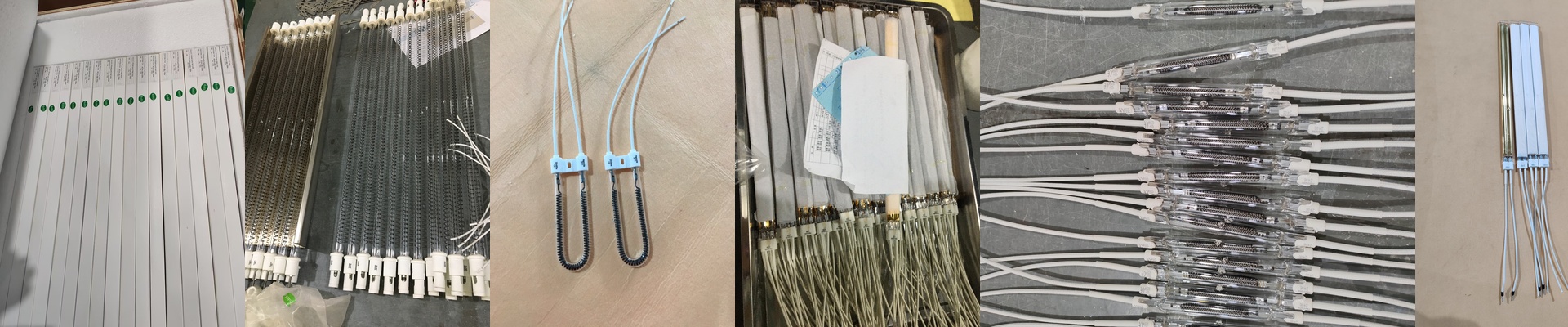
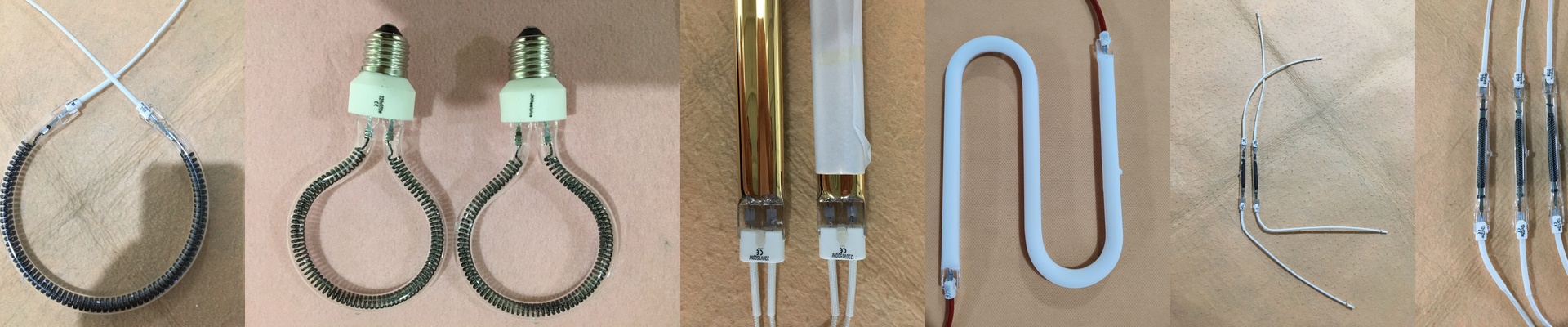
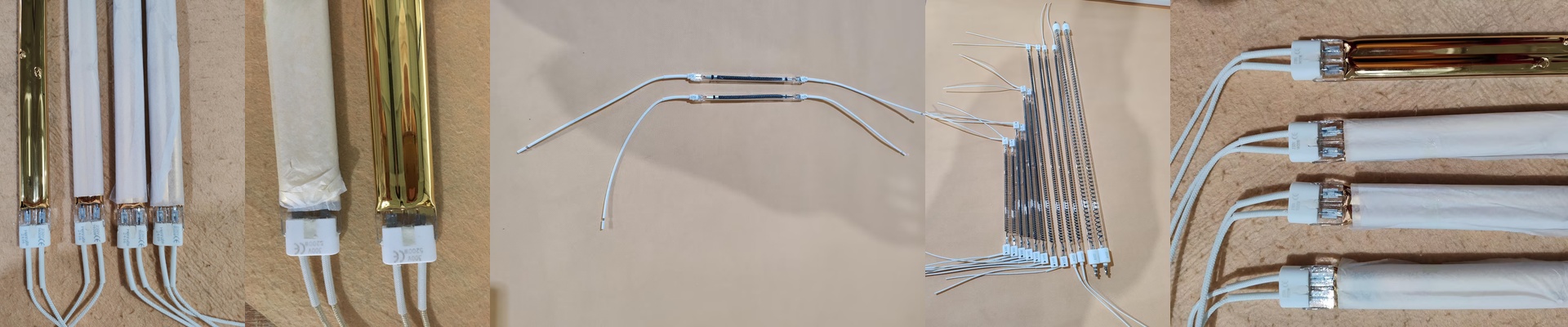
We build carbon fiber heat lamps with quartz tubes to solve a specific industrial problem: getting maximum heat density into a tight footprint. These are not household bulbs. They are engineered components designed for machines that demand rapid, localized heating—think plastic processing, coating lines, or composite curing. When you wire up one of our units, you are installing a compact, high-output thermal source that integrates directly into automated systems.
Technical Deep-Dive: Power, Voltage, and Dimensions
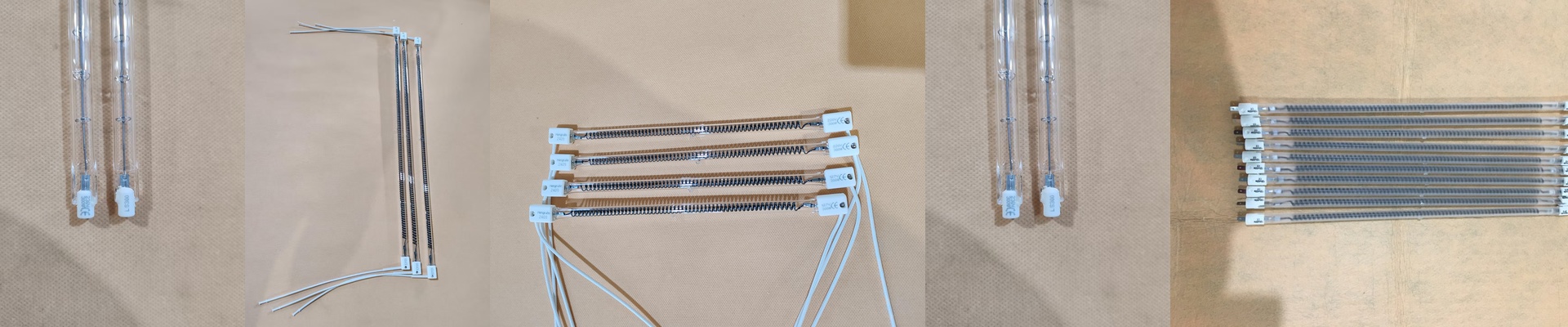
The core specs drive the performance envelope. A typical unit runs at 400V and 2500W, delivering serious power density. The voltage choice is not arbitrary. Running at 400V allows us to keep the current lower for a given wattage, which reduces conductor size, lowers voltage drop, and cuts losses in the wiring harness. This matters on the shop floor where you are running long cable runs or packing components into a crowded electrical cabinet. The tube length—often around 300mm—sets the heated zone. You get a defined hot zone without wasted length, which makes it easier to match the part geometry and control the thermal profile. The wattage packed into that short envelope translates to high watt density, giving you fast heat-up times. The trade-off is real: high density means the surrounding hardware must manage the heat. Your machine’s cooling and thermal isolation need to be spec’d accordingly to prevent overheating nearby sensors or controls.
Material and Design: Halogen, Quartz, and Connectors
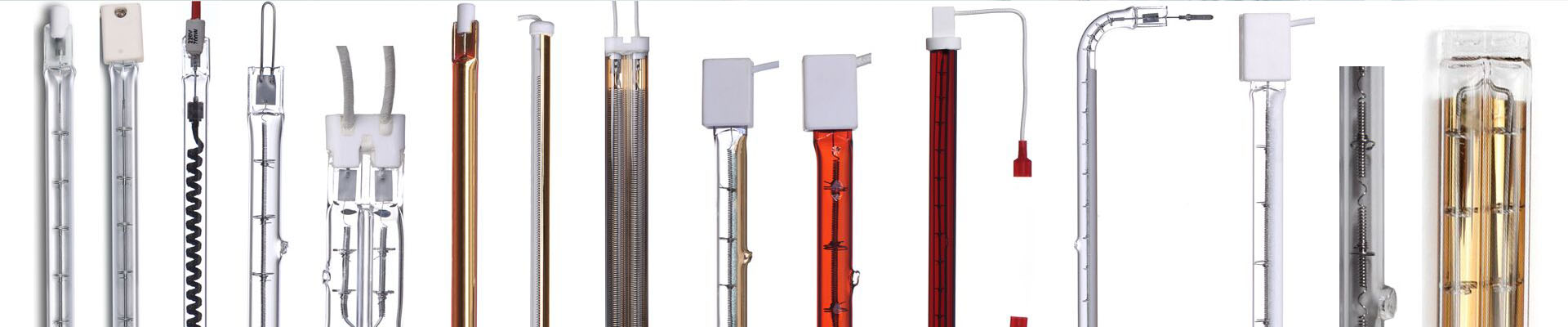
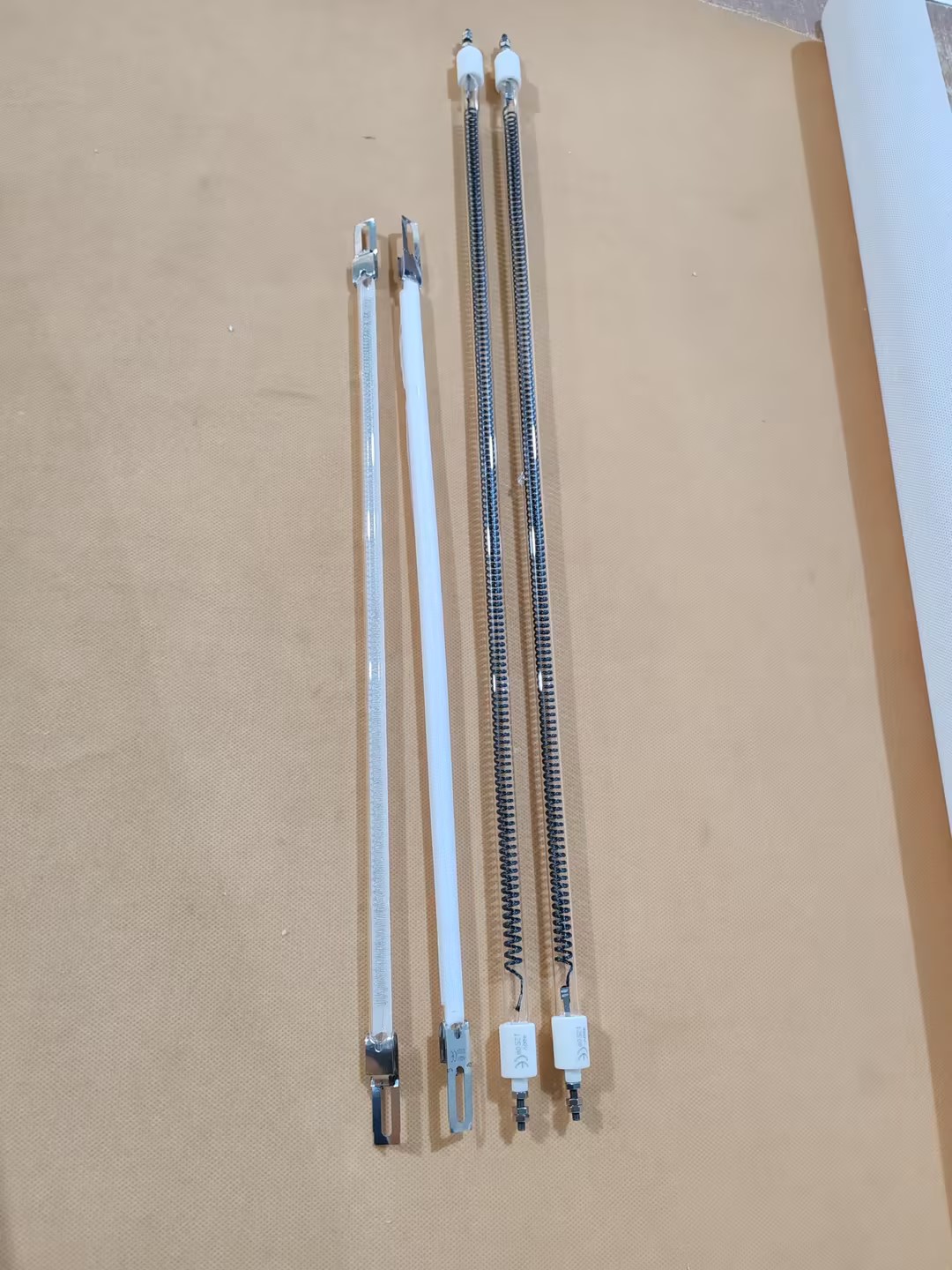
The quartz tube is the enabling structure. Quartz handles the thermal shock of rapid cycling and stays transparent to infrared, so the lamp’s output transfers efficiently to the target. Inside, we use a halogen cycle to keep the filament stable. This design reduces blackening over time and supports consistent output across thousands of hours compared with standard incandescent lamps. The carbon fiber element is not just for label appeal. Carbon fiber provides predictable expansion behavior and mechanical stability under high temperature, which helps reduce stress on the filament supports and internal connections. That translates into fewer hot-start failures and more predictable maintenance intervals. For installation, we spec the R7s connector. R7s is a double-ended linear contact that gives you solid mechanical retention and reliable electrical engagement. It makes the lamp a drop-in replacement in many industrial fixtures. If your machine uses a different interface, we also offer SK15 options. Either way, the goal is the same: a secure mount, good contact pressure, and a serviceable assembly that you can swap out quickly without rewiring the whole station.
Application and Benefits
These lamps are built for applications that need fast, focused heat. In PET blowing, for example, you need rapid heating of preforms to the right stretch temperature without heating the entire machine. In coating lines and laminating presses, the quartz tube delivers even IR distribution across a narrow zone, helping you hit process windows with tight tolerances. For you, the engineer, the payoff is practical. The compact footprint simplifies integration. The high watt density shortens cycle times. The halogen chemistry and quartz envelope improve repeatability, and the R7s/SK15 options keep installation and replacement straightforward. Plan for adequate cooling and thermal shielding, and you get a heating system that runs hard, responds quickly, and holds its output over the long haul.